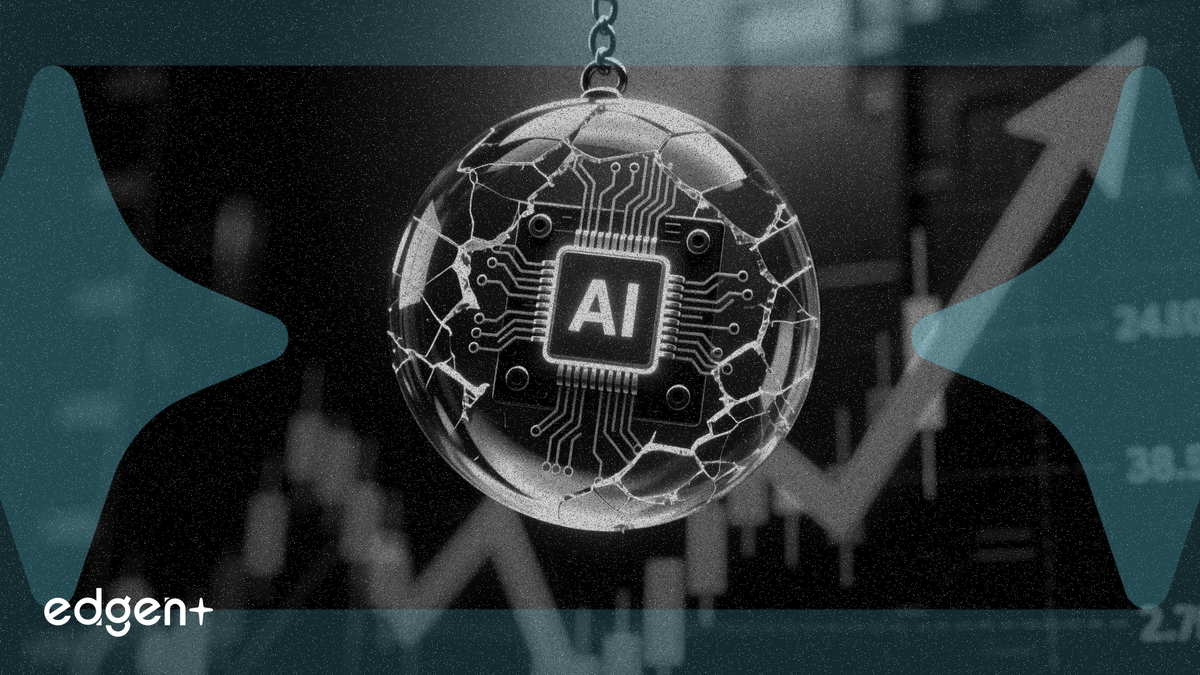
La logique financière du boom actuel de l'IA est sous surveillance, un analyste de premier plan affirmant que les dépenses d'investissement massives des géants du cloud sont en passe de détruire la valeur actionnariale, préparant le terrain pour une vague d'introductions en bourse (IPO) conçues pour transférer le risque aux investisseurs particuliers et institutionnels.
« Ces introductions en bourse sont essentiellement un transfert à grande échelle du risque d'investissement des détenteurs actuels vers les investisseurs particuliers, les fonds de pension et d'autres personnes prêtes à acheter l'histoire avant que le battage médiatique ne retombe vraiment », a écrit Joachim Klement, directeur général chez Panmure Liberum, dans une analyse récente.
Les dépenses des entreprises américaines en équipements informatiques et logiciels ont gonflé pour atteindre près de 1 500 milliards de dollars en 2025, l'investissement technologique représentant 93 % de la croissance du PIB du pays au cours de l'année écoulée. L'analyse de Klement prévoit que les dépenses d'investissement des hyperscalers comme Microsoft et Google vont croître de 20 % par an, dépassant la croissance attendue des revenus de 15 % et impliquant des rendements négatifs sur les nouveaux investissements dans les centres de données d'IA.
Le problème central est que pour que ces investissements génèrent un rendement de 10 %, les fournisseurs de cloud devraient créer un revenu annuel supplémentaire de 2 000 à 5 000 milliards de dollars, un chiffre colossal par rapport à leur total combiné actuel d'environ 1 500 milliards de dollars. Cela prépare un krach boursier potentiel en 2027 ou 2028 qui pourrait refléter l'éclatement de la bulle dot-com, qui a vu les valeurs technologiques perdre plus de la moitié de leur valeur au cours de la première année.
Une bulle plus grosse que l'ère Dot-Com ?
L'ampleur de l'enthousiasme actuel pour l'IA éclipse la bulle de la technologie, des médias et des télécommunications (TMT) de la fin des années 1990, selon le rapport. Au sommet du boom des TMT, les dépenses informatiques annuelles des entreprises américaines étaient d'environ 466 milliards de dollars, soit 829 milliards de dollars ajustés à l'inflation, soit moins de la moitié du chiffre de près de 1 500 milliards de dollars d'aujourd'hui.
Plus grave encore, la dépendance de l'économie à l'égard de ces dépenses est sans précédent. Alors que l'investissement technologique a généré environ 60 % de la croissance du PIB américain au plus fort de la bulle Internet, il en représente environ 93 % au cours des quatre derniers trimestres. Cette concentration des moteurs économiques dans un seul secteur crée un risque de baisse significatif. Si l'investissement technologique se contracte même de 4 à 6 %, l'économie américaine pourrait rapidement faire face à une récession, soutient Klement.
« Ces chiffres indiquent que si les hyperscalers continuent sur leur trajectoire actuelle, le boom de l'IA se transformera en l'une des destructions de valeur actionnariale à la plus grande échelle de l'histoire », a déclaré Klement.
L'IPO comme mécanisme de transfert de risque
Dans ce contexte, la ruée des entreprises d'IA vers les marchés boursiers est considérée comme une décision stratégique pour encaisser au sommet de l'engouement. Les développeurs de modèles fondamentaux comme OpenAI et Anthropic se prépareraient à des cotations plus tard cette année. Leurs introductions en bourse rejoindraient un marché qui a déjà montré un appétit fervent pour les offres liées à l'IA.
Le fabricant de puces Cerebras Systems (CBRS) a vu ses actions bondir de 68 % lors de son premier jour de cotation, levant plus de 5,5 milliards de dollars lors de son offre. Le pipeline d'introduction en bourse comprend SpaceX d'Elon Musk, qui a déposé une demande confidentielle le mois dernier et pourrait chercher à lever entre 70 et 75 milliards de dollars.
L'analyse de Klement présente ces introductions en bourse imminentes comme une fenêtre d'opportunité pour les investisseurs en capital-risque et en capital-investissement de sortir de leurs positions à des valorisations élevées. Le risque de rendements négatifs liés à des dépenses d'investissement insoutenables est effectivement répercuté sur les participants du marché public, y compris les investisseurs particuliers individuels et les fonds de pension qui seront les victimes finales si la logique financière ne s'avère pas exacte.
Pour les investisseurs, l'analyse sert d'avertissement sévère. Alors que le récit de l'IA continue de propulser les marchés vers de nouveaux sommets, les modèles financiers sous-jacents des entreprises qui construisent l'infrastructure montrent des signes de tension. Le rapport suggère que bien qu'un repli soit peu probable en 2026, les « mathématiques impossibles » finiront par s'imposer, avec une forte probabilité de règlement de comptes en 2027 ou 2028.
Cet article est à titre informatif uniquement et ne constitue pas un conseil en investissement.