


The AI trade is broadening. After semiconductor stocks surged to a record 19.7% of the S&P 500, investors are rotating into memory chips and overlooked value sectors as the $1 trillion ETF inflow wave reshapes market leadership.
The AI trade is broadening. After semiconductor stocks surged to a record 19.7% of the S&P 500, investors are rotating into memory chips and overlooked value sectors as the $1 trillion ETF inflow wave reshapes market leadership.
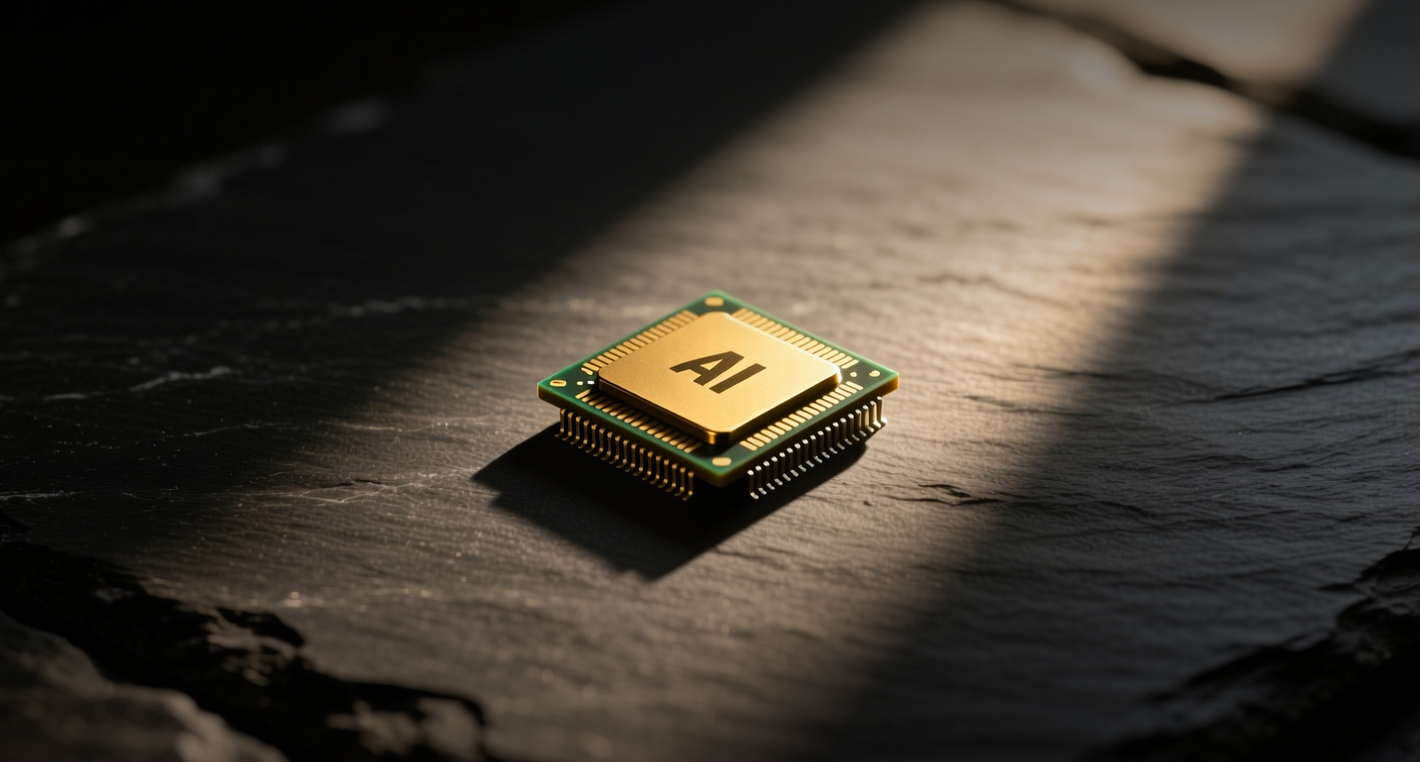
Semiconductor stocks now account for a record 19.7% of the S&P 500, almost four times their weighting of about 5% in June 2020, as the AI boom concentrated capital into a handful of chipmakers. But that dominance is showing cracks.
"The market is undergoing a 'mega rotation,' with capital aggressively shifting from lagging mega-cap tech into cyclical and value sectors," Craig Johnson, chief market technician at Piper Sandler, said. The rotation accelerated after Micron Technology Inc.'s blowout earnings failed to sustain momentum in the broader tech sector, he added.
The Magnificent Seven — Nvidia Corp., Amazon.com Inc., Microsoft Corp., Meta Platforms Inc., Alphabet Inc., Apple Inc. and Tesla Inc. — were among the weakest performers in recent sessions. Microsoft and Apple dropped on price increases for some devices driven by higher memory costs, while the Nasdaq Composite closed at 25,297, down 0.2% on Friday. The Dow Jones Industrial Average, by contrast, hit intraday records during the week, signaling capital was moving into overlooked areas.
Exchange-traded funds attracted more than $1 trillion in inflows year-to-date through late June 2026, about 45% above the record pace from the same period last year, according to Citadel Securities strategist Scott Rubner. The inflows have reinforced a self-perpetuating cycle: as semiconductor shares outperform, their index weight rises, prompting passive funds to allocate even more capital to the same names.
Valuation signals flash caution
Several indicators now point to elevated valuations across the semiconductor sector. Bank of America's proprietary Bubble Risk Indicator reached 0.91 for the PHLX Semiconductor Sector and 0.82 for the Technology Select Sector, on a scale where 1.0 represents extreme bubble-like conditions. The S&P 500's price-to-sales ratio has climbed to 3.22, well above its long-term average of 1.84, according to LSEG data. The Buffett Indicator — comparing total US stock market capitalization to gross domestic product — stands at 231.8%, a level that historically has preceded below-average returns.
Before the dotcom crash, semiconductor stocks represented just over 8% of the S&P 500, less than half their current share. The concentration has broadened beyond Nvidia to include Broadcom Inc., Taiwan Semiconductor Manufacturing Co., ASML Holding NV, Advanced Micro Devices Inc., and memory-chip makers Micron and SanDisk Corp.
Memory stocks emerge as next AI beneficiary
The AI-induced memory shortage has emerged as a key theme, with Micron and SanDisk benefiting from rising demand for high-bandwidth memory (HBM) used in AI accelerators. But even these names have shown volatility — Micron fell 6.7% and SanDisk dropped 10.5% on Friday as investors questioned whether the rotation had further to run.
Rob Haworth, senior investment strategy director at US Bank Asset Management, said the rotation is a critical narrative for investors to watch. "This key commodity for hyperscalers and technology hardware companies is weighing on these stocks," he said, referring to higher memory costs. "It indicates still solid investor sentiment despite the challenge of higher costs for some of the largest technology companies."
David Morrison, senior market analyst at Trade Nation, noted that the Dow's resilience relative to the S&P 500 and Nasdaq could be a positive sign that "investors are still keen to be fully invested in equities but are rotating out of overheated semiconductor stocks into some overlooked sectors offering better value."
Software stocks stage a comeback
The rotation is not limited to memory. Software stocks that lost nearly $1 trillion in market value during a six-day selloff triggered by Anthropic's Claude plug-in launch in January have begun recovering. ServiceNow Inc., Salesforce Inc. and Adobe Inc. have each risen 10% or more in recent sessions as investors rotated into laggards.
JPMorgan Chase & Co. identified software companies with proprietary enterprise data and established workflows as AI beneficiaries rather than casualties. Goldman Sachs Group Inc. CEO David Solomon echoed that view, saying "plenty of companies will pivot and do just fine."
For investors, the broadening of the AI trade creates a dilemma. Nvidia shares trade at elevated multiples after a multiyear rally, while memory and software stocks offer discounted entry points after steep pullbacks. The question is whether the rotation reflects a healthy broadening of the AI investment theme — or the early stages of a more significant unwind in the sector that powered the bull market.
This article is for informational purposes only and does not constitute investment advice.
