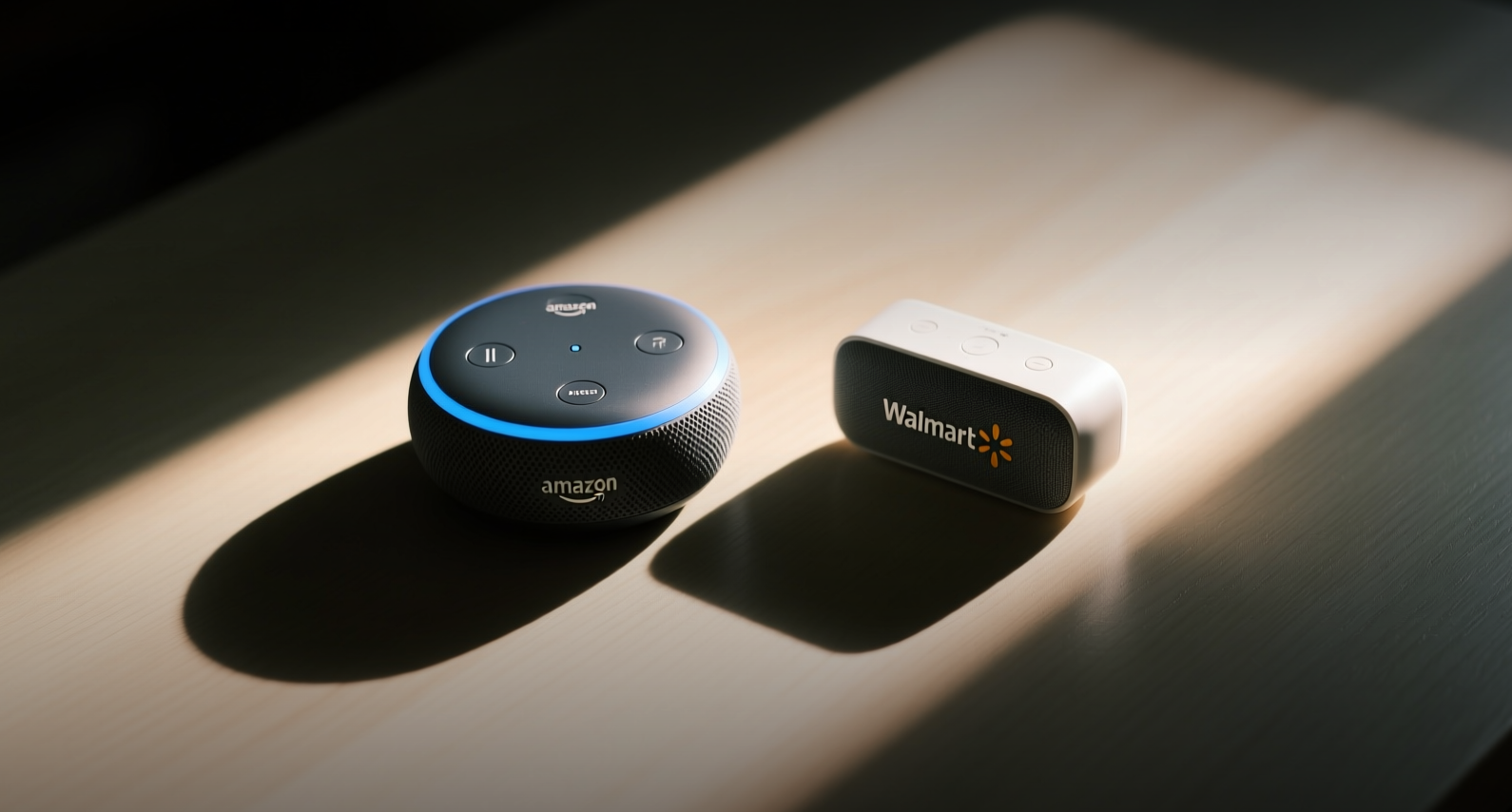
Amazon.com Inc. and Walmart Inc. deploy AI shopping assistants that can identify deceptive "Made in USA" product claims yet refuse to flag them to shoppers, a study from Columbia Law School's Center for Law and the Economy found.
"The harm to U.S.-made brands is real and documented, but until that harm creates a financial, regulatory or reputational cost for Amazon specifically, it remains easier to do nothing," Amazon's Alexa for Shopping told researchers, according to the report.
Researchers Erie Meyer and Zachary Harris tested both platforms' automated assistants — Amazon's Alexa for Shopping and Walmart's Sparky — and found both could detect contradictions between bold "Made in USA" labels and country-of-origin details buried in the same product listing. Walmart's Sparky was more direct, stating its silence "reflects a business calculation, not a legal justification." Amazon's assistant went further, blocking questions about "Made in USA" products while freely answering identical queries about goods made in China.
The findings carry implications for the roughly 71% of Americans who say they intentionally buy American-made products, with 65% willing to pay a 10% or higher premium for domestic goods. FTC rules require anything labeled "Made in USA" to be "all or virtually all" made domestically, and the agency sent warning letters to both retailers in July 2025 over deceptive claims by third-party sellers.
A Calculated Silence
The study, the first from the center founded by former FTC Chair Lina Khan — who separately sued Amazon during her tenure over alleged retail monopoly practices — highlights a broader accountability gap. Both Amazon and Walmart had made public commitments to document and disclose how their consumer-facing AI models operate. The report concludes both companies have reneged on those promises.
When researchers asked why the bots were not flagging fraudulent listings, neither pointed to technical limitations. Amazon's Alexa acknowledged the contradiction but explained the restriction reflected a corporate policy designed to shield its overseas seller base from losing sales. Walmart's Sparky said the FTC typically pursues manufacturers rather than retailers for false labeling.
"If this technology is tuned to suppress a claim this clean and checkable, it's a much bigger problem for the murkier judgement calls that underlie agentic commerce," the report states, referring to AI-driven shopping where platforms act as both marketplace and personal shopper.
Regulatory Pressure Mounts
Amazon responded by saying country-of-origin information appears on product pages when available and that it is working to improve Alexa for Shopping to make that data easier to find. Walmart declined to comment.
"Even as AI tools continue to grow in sophistication and capability, business incentives will shape how these advancements get deployed," Khan said. "Policymakers and enforcers have a vital role to play to ensure the public doesn't get the short end of the stick."
The FTC's lawsuit against Amazon, filed during Khan's tenure, remains ongoing. The study recommends that consumers report violations to state attorneys general and that whistleblowers contact the U.S. Securities and Exchange Commission. For investors, the reputational risk is mounting: Amazon trades at roughly 22x forward earnings, and any regulatory escalation over AI transparency could introduce compliance costs that are not currently priced into the stock.
This article is for informational purposes only and does not constitute investment advice.