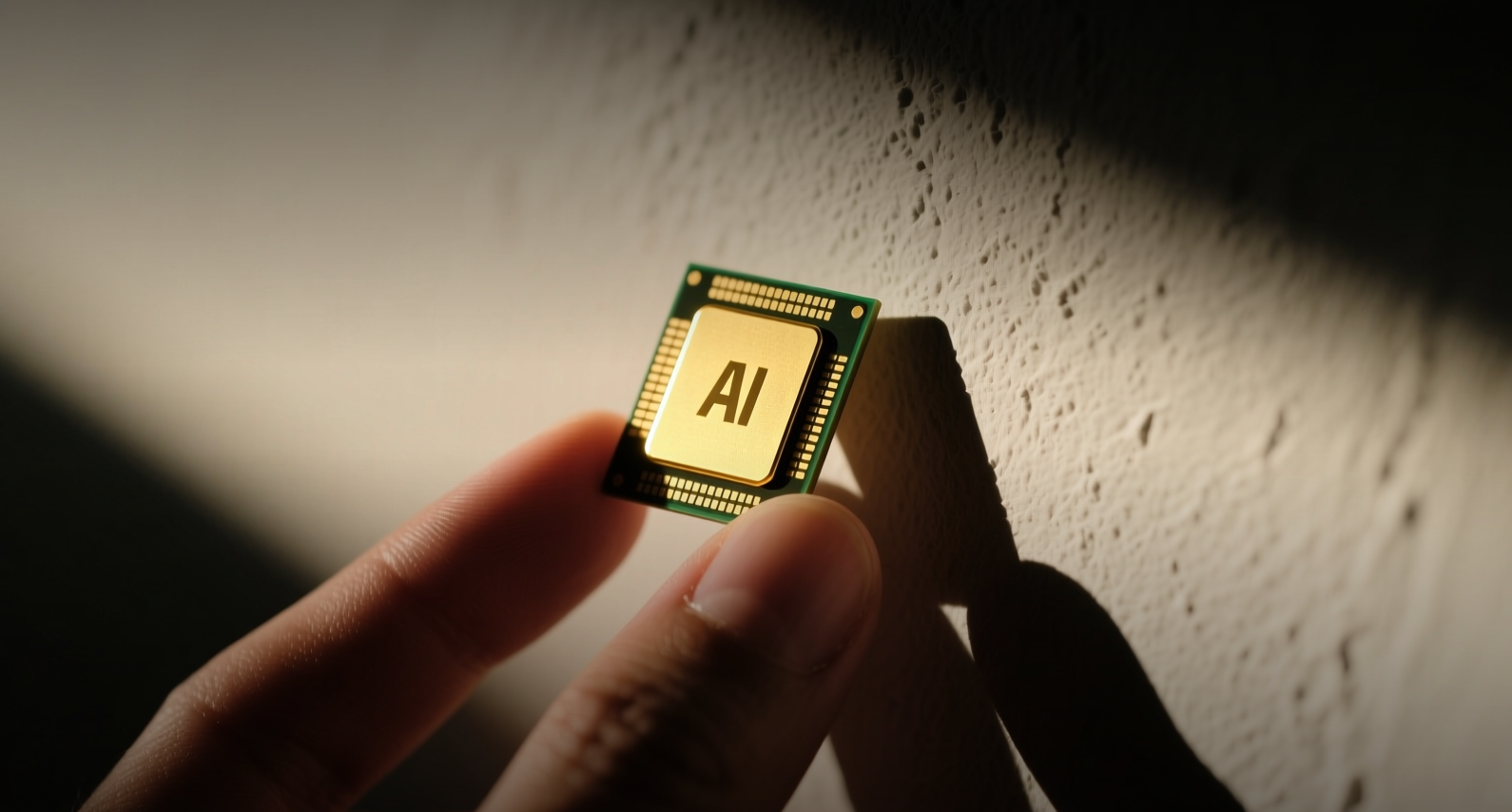
Ambarella's 28% surge makes it the latest semiconductor stock to ride the physical AI wave that Rosenblatt Securities expects to define the second half of 2026.
Physical AI is emerging as the next frontier for semiconductor investors, and Ambarella Inc. is the purest public play on the theme, according to Rosenblatt Securities — a call that sent the chipmaker's shares surging 28% on Tuesday.
"We see AMBA as a Physical AI pure play," analyst Kevin Cassidy said in a report Tuesday. "Applications such as surveillance, robotics, industrial automation, drones and autonomous systems require high-performance, low-power AI vision processors close to the sensor. Ambarella's algorithm first AI SOC architecture delivers."
Cassidy rates Ambarella a buy with a $120 price target, implying 79% upside from Monday's close. The stock had already rallied 74% in the past three months before Tuesday's surge. Rosenblatt polled its analysts for top picks across AI, cloud computing and quantum, naming Ambarella alongside Quantinuum and Twilio as stocks with "attractive risk-reward profiles" entering the second half.
The endorsement comes as the S&P 500 has gained 9.5% in the first half of 2026, hitting 24 all-time highs, with technology leading the advance. The Dow Jones Industrial Average closed above 52,000 for the first time on Monday. Ambarella's focus on edge AI — processing data locally rather than in the cloud — positions it to capture demand from industrial automation and autonomous systems, markets that could reshape the $500 billion-plus semiconductor industry.
Edge Inference Market Remains Fragmented
The physical AI opportunity extends beyond Ambarella. Nvidia Corp. dominates the data center AI chip market with its H100 and B200 graphics processors, but edge inference — where AI models run on devices rather than in server farms — remains fragmented. Ambarella's low-power vision processors compete in a segment that includes Intel Corp.'s Movidius and Qualcomm Inc.'s Snapdragon platforms, though Ambarella's algorithm-first approach differentiates its architecture for real-time decision-making at the sensor level.
Rosenblatt's call reflects a broader rotation within semiconductor investing. After the first half's rally lifted most AI-related names, investors are seeking more targeted exposure to specific sub-segments. Physical AI — which encompasses machines that perceive and act in the real world — requires chips optimized for vision processing, power efficiency and low latency, characteristics that favor edge specialists over general-purpose GPU makers.
Cassidy's $120 Target and the August Test
Ambarella trades at a fraction of Nvidia's valuation multiple, reflecting its smaller scale and narrower product focus. Cassidy's $120 target suggests the market has yet to fully price in the physical AI opportunity. With shares already up more than 100% from three months ago, the risk lies in whether execution can match the narrative. The company reports fiscal second-quarter results in August, which will provide the first concrete test of whether the physical AI thesis is translating into revenue growth.
This article is for informational purposes only and does not constitute investment advice.