
Apple's first foldable iPhone, priced above $2,000, lands Sept. 9 — the company's biggest hardware bet since the Vision Pro.
Apple's first foldable iPhone, priced above $2,000, lands Sept. 9 — the company's biggest hardware bet since the Vision Pro.
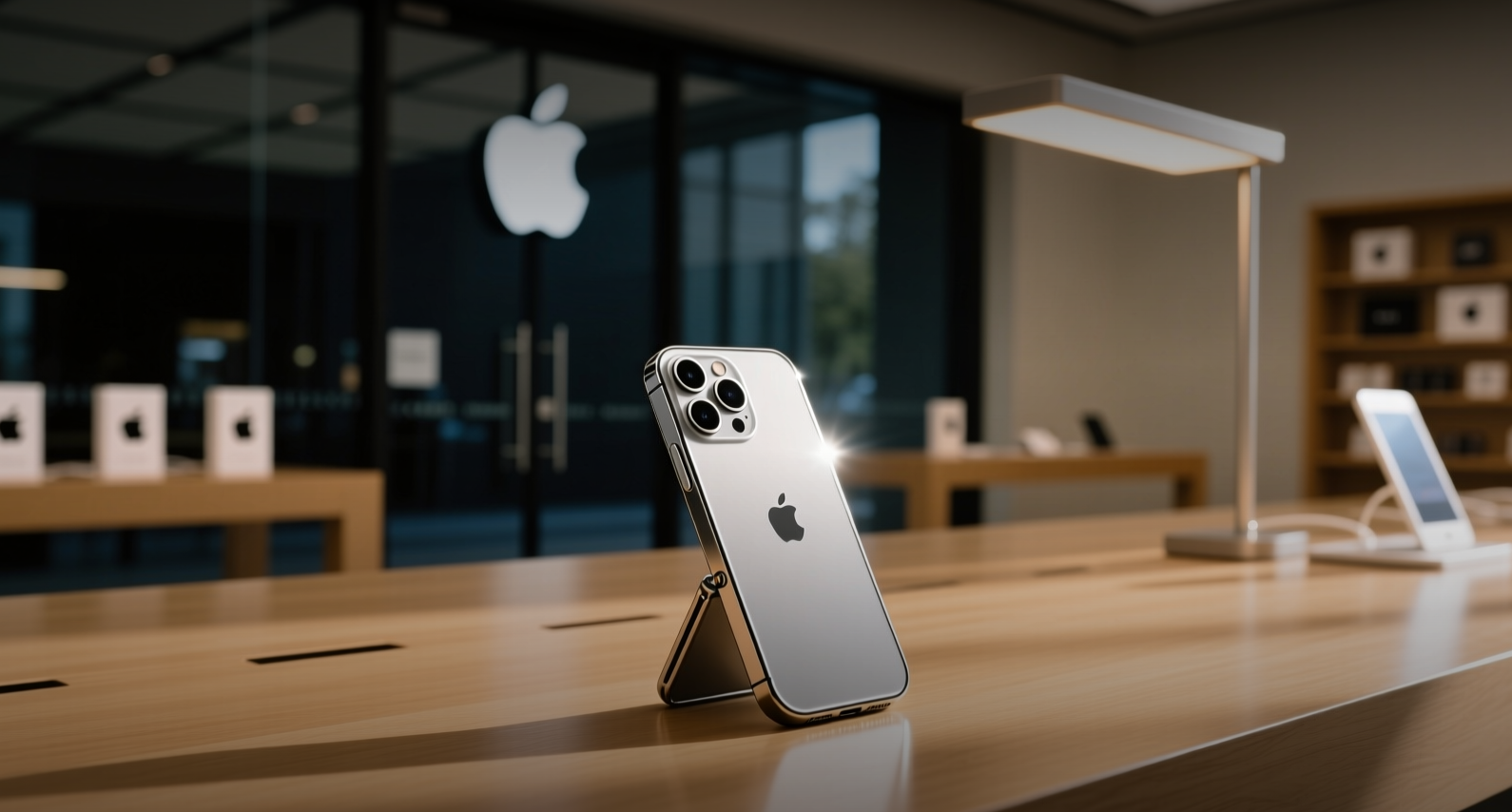
Apple will unveil its first foldable iPhone, the $2,000-plus iPhone Ultra, at a Sept. 9 event — its first new form factor since the 2023 Vision Pro and the first launch under incoming CEO John Ternus.
"People who have tried the Apple model like how it fits in a pocket, the feel and durability of the advanced hinge mechanism, and the new iPad-like app layouts that take advantage of the larger internal display," Mark Gurman of Bloomberg said in his weekly newsletter.
The iPhone Ultra uses a book-style design with a 5.5-inch outer screen and a 7.8-inch inner display, a titanium frame, and Touch ID in the power button instead of Face ID. It skips a telephoto camera. The iPhone 18 Pro and Pro Max, meanwhile, get a 2-nanometer A20 Pro chip, a variable-aperture main camera, a smaller Dynamic Island, and Apple's C2 cellular modem. No standard iPhone 18 will ship this fall; it arrives in spring 2027.
Foldables hold just 1.6 percent of the global phone market, with China alone accounting for 10 million units from Samsung, Google, and Huawei. A successful debut under Ternus, who becomes CEO Sept. 1 with Tim Cook moving to executive chairman, would reassure investors about product-roadmap execution and could lift Apple's shares and its Asian supply chain.
The foldable's most striking omissions are deliberate. By relying on Touch ID rather than Face ID, Apple avoids embedding the TrueDepth camera array in a flexible panel — a compromise rivals have wrestled with. The lack of a telephoto lens keeps the dual-camera module thin enough for the hinge. Gurman called the device "an ultra-premium device that provides a halo for the full Apple lineup and will be a marketing engine to get people into the company's retail stores."
The 2-nanometer A20 Pro chip in the Pro models matters beyond raw speed. A smaller process node packs more transistors into the same silicon, cutting power draw and extending battery life — the two upgrades buyers notice most. The variable-aperture main camera lets the lens open wider in low light and stop down in bright conditions, a feature long available on Samsung's Galaxy line that Apple is now matching. The C2 modem, Apple's second-generation in-house cellular chip, reduces reliance on Qualcomm and trims component costs.
The launch tests Apple's manufacturing partners on the two hardest components in consumer electronics: the hinge and the flexible OLED panel. Samsung Display and LG Display are expected to be among the screen suppliers, while the hinge work is expected to fall to Taiwanese assemblers. Reports suggest the device could reach $2,500 in higher configurations, a price that would make it the most expensive iPhone ever and set a new ASP benchmark for the industry.
The event also carries a leadership signal. Ternus, who has led Apple's hardware engineering, takes over from Cook on Sept. 1 — eight days before the launch. Delivering a new product category in his first weeks in the role gives investors an early read on whether the company can sustain its product cadence without Cook at the helm. Apple also plans updated Apple Watch models and AirPods 5 at the same event, broadening the revenue base tied to the announcement.
The stakes extend beyond Apple. A foldable that sells out in its first weeks would validate the $2,000-plus price point and pressure Samsung, the segment's leading maker, to defend its share. A stumble on supply would push the weight of the upgrade cycle onto the spring 2027 iPhone 18 launch. For now, the market's read is bullish: the foldable gives Apple a new revenue stream in a smartphone market where unit growth has flattened, and it hands Ternus a flagship moment to define his tenure.
This article is for informational purposes only and does not constitute investment advice.
