
Önemli Çıkarımlar:
- Aptiv ve Nvidia, Jetson Thor'u üretime hazır bir uç yapay zeka platformuna dönüştürüyor
- Ortaklık, robotik, otomotiv ve havacılık dahil 5 sektörü kapsıyor
- Aptiv, ticari Linux desteği ve CRA uyumlu güvenlik güncellemeleri sağlayacak
Önemli Çıkarımlar:
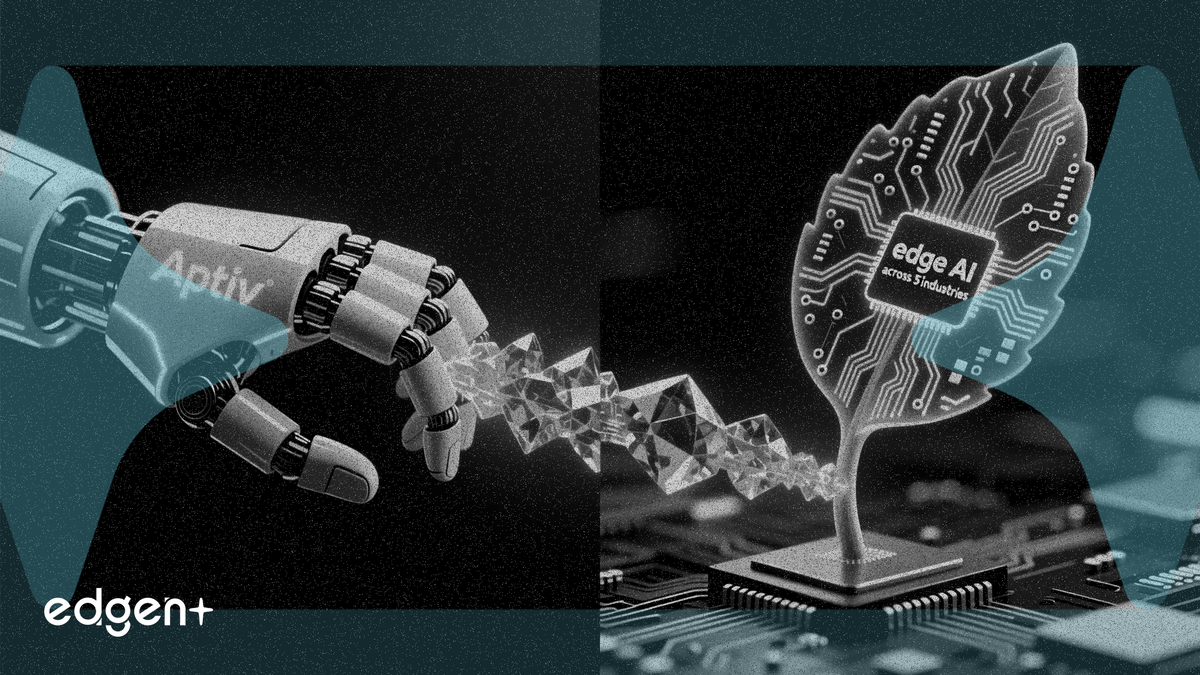
Aptiv ve Nvidia, Jetson platformunu endüstriyel dağıtım için ticari olarak desteklenen bir uç yapay zeka sistemine dönüştürüyor.
Aptiv PLC, Nvidia Corp. ile çip üreticisinin Jetson platformunu — yeni nesil Jetson Thor dahil — robotikten telekomünikasyona kadar çeşitli sektörler için üretime hazır uç yapay zeka sistemlerine dönüştürmek üzere çalışıyor.
"Akıllı uçta olup bitenler, yapay zeka inovasyonunun bir sonraki dalgasını tanımlayacak," dedi Aptiv'de kıdemli başkan yardımcısı ve akıllı sistemler, yazılım ve hizmetler başkanı olan Jay Bellissimo. "Bunu başarıyla etkinleştirmek, yalnızca güçlü donanımdan daha fazlasını gerektiriyor — uzun vadeli dağıtım için tasarlanmış istikrarlı bir yazılım temeli gerektiriyor."
İş birliği, uç yapay zeka benimsenmesinin önündeki kritik bir engeli ele alıyor: uzun vadeli yaşam döngüsü yönetimi. Aptiv, Jetson ekosistemi için ticari sınıf gömülü Linux desteği, sürekli güvenlik yamaları ve Siber Dayanıklılık Yasası'na (CRA) hazır platformlar sağlayacak. Şirketler, endüstriyel otomasyon, robotik, havacılık ve savunma, otomotiv ve telekomünikasyon alanlarındaki dağıtımlarda parçalanmayı azaltmak için ana Yocto Projesi ve Wind River Linux ile uyumlu hale geliyor.
Aptiv için genişletilen ortaklık, Nvidia'nın donanımı üzerinde bir yazılım ve hizmet katmanı olarak rolünü derinleştiriyor ve potansiyel olarak bakım ve uyumluluk hizmetlerinden yinelenen gelir elde edilmesini sağlıyor. Yapay zeka çip talebiyle veri merkezi işinde patlama yaşayan Nvidia, parçalanmış uç bilgi işlem pazarına açılıyor — cihaz yaşam döngülerinin uzun olduğu ve güvenlik gereksinimlerinin saf donanım satıcıları için yüksek giriş engelleri oluşturduğu bir segment.
Girişim, mevcut kurulu tabandan Nvidia'nın otonom makineler ve robotik için amiral gemisi platformu olarak konumlandırdığı Jetson Thor'a kadar tüm Jetson ürün hattını kapsıyor. Aptiv'in çalışmaları, mevcut meta-tegra kart destek paketleri için uzun vadeli destek, uyumluluğu basitleştiren Siber Dayanıklılık Yasası'na hazır bir Yocto platformu ve müşterilerin doğrudan geliştirmeden dağıtıma geçmesini sağlayan Jetson Thor için üretime hazır bir yazılım temeli içeriyor.
Nvidia'nın uç yapay zekaya yönelmesi, şirketin veri merkezi yapay zeka çiplerinde Advanced Micro Devices Inc.'den gelen yoğunlaşan rekabet ve Amazon.com Inc.'in Trainium'u ile Google LLC'nin TPU'su dahil olmak üzere bulut hiper ölçekleyicilerinden gelen büyüyen özel çip çalışmalarıyla karşı karşıya olduğu bir dönemde geliyor. Uç pazarı farklı bir denklem sunuyor: cihazlar genellikle değiştirilmeden 5 ila 10 yıl çalışıyor ve bu da yazılım uzun ömürlülüğü ile güvenlik güncellemelerini ham işlem performansı kadar önemli hale getiriyor.
En son mali yılında 19,7 milyar dolar gelir elde eden Aptiv, Nvidia'nın geleneksel çip müşterilerinin genellikle sahip olmadığı otomotiv sınıfı kalite yönetimi ve endüstriyel dağıtım deneyimini getiriyor. Şirketin pazara sunma girişimleri, sertifikasyon ve uyumluluğun tartışılmaz olduğu sektörlerde gömülü sistemler ve uzun yaşam döngülü dağıtımlar için ticari olarak desteklenen Jetson platformlarının benimsenmesini kolaylaştırmayı hedefliyor.
Aptiv hisseleri New York Borsası'nda APTV kodu altında işlem görüyor. Piyasa değeri 3 trilyon doların üzerinde olan Nvidia'nın hisseleri, yapay zeka altyapı harcamalarının hızlanmasıyla son 12 ayda %150'den fazla değer kazandı. Genişletilen uç yapay zeka ortaklığı, her iki şirkete de araştırma firması Gartner'ın 2028 yılına kadar yıllık 80 milyar dolara ulaşacağını öngördüğü bir pazara açılma yolu sağlıyor.
Bu makale yalnızca bilgilendirme amaçlıdır ve yatırım tavsiyesi niteliği taşımaz.
