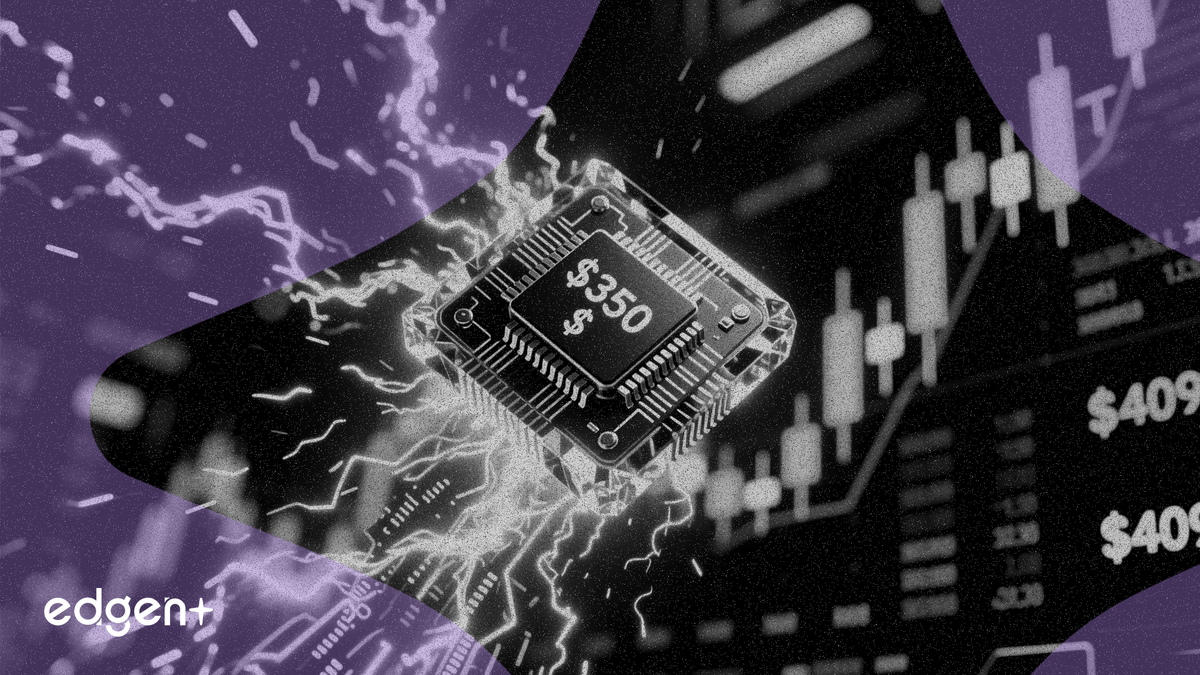
Cổ phiếu ADR của ARM Holdings đã tăng 16% lên $409 vào ngày 1 tháng 6, đẩy vốn hóa thị trường lên $436 tỷ khi các nhà đầu tư đặt cược vào nhu cầu do AI thúc đẩy đối với kiến trúc bộ xử lý của nhà thiết kế chip này.
Đà tăng này bổ sung vào các mức tăng đã đưa giá trị thị trường của ARM vượt qua ngưỡng $400 tỷ lần đầu tiên kể từ đợt phát hành cổ phiếu lần đầu ra công chúng vào tháng 9 năm 2023, theo dữ liệu sàn giao dịch. ARM cấp phép thiết kế chip của mình cho các công ty bao gồm Apple, Nvidia và Qualcomm, thu tiền bản quyền từ các bộ xử lý được sử dụng trong phần lớn điện thoại thông minh trên thế giới. Kiến trúc của công ty đã trở thành tiêu chuẩn cho điện toán di động và hiện đang thâm nhập vào các thị trường trung tâm dữ liệu và ô tô.
Các nhà giao dịch chỉ ra ba động lực tiềm năng: sự chấp nhận ngày càng tăng đối với chip tùy chỉnh dựa trên ARM bởi các nhà cung cấp đám mây đang tìm kiếm giải pháp thay thế cho kiến trúc x86 của Intel, doanh thu bản quyền tăng từ các triển khai trung tâm dữ liệu AI, và kỳ vọng vào báo cáo thu nhập tiếp theo của ARM. Chỉ số Bán dẫn Sàn giao dịch Chứng khoán Philadelphia đã tăng 22% trong năm nay, phản ánh sức mạnh của toàn ngành khi chi tiêu liên quan đến AI thúc đẩy nhu cầu chip trên toàn lĩnh vực.
Động thái này cũng diễn ra khi ARM phải đối mặt với sự cạnh tranh ngày càng tăng từ kiến trúc RISC-V mã nguồn mở, vốn đã đạt được sức hút trong một số ứng dụng nhúng và IoT. ARM đã phản ứng bằng cách mở rộng dòng sản phẩm và điều chỉnh mô hình cấp phép để giữ chân khách hàng, những người có thể tự thiết kế lõi xử lý của riêng họ.
Ở mức vốn hóa $436 tỷ, định giá của ARM đã phản ánh kỳ vọng rằng doanh thu cấp phép liên quan đến AI sẽ tăng tốc khi nhiều công ty công nghệ hơn thiết kế bộ xử lý của riêng họ. Nvidia, Amazon và Microsoft đều đã công bố chip ARM tùy chỉnh cho khối lượng công việc AI, một xu hướng mở rộng thị trường có thể tiếp cận của ARM từ điện thoại di động sang máy chủ trung tâm dữ liệu. Mỗi thiết kế chip tùy chỉnh mới đại diện cho một nguồn doanh thu bản quyền dài hạn cho ARM, khi công ty thu phí trên mọi bộ xử lý được xuất xưởng sử dụng kiến trúc của mình.
Kết quả kinh doanh hàng quý tiếp theo của ARM, dự kiến vào tháng 8, sẽ cho thấy liệu luận điểm AI có đang chuyển thành tăng trưởng doanh thu hay không. Mô hình cấp phép của công ty có nghĩa là việc ghi nhận doanh thu có thể không đồng đều, với phí cấp phép trả trước lớn từ các hợp đồng thiết kế mới, sau đó là nhiều năm thanh toán tiền bản quyền trên mỗi chip. Các nhà đầu tư sẽ theo dõi các cập nhật về số lượng hợp đồng cấp phép kiến trúc mới được ký kết và tỷ lệ bản quyền trên mỗi chip.
Bài viết này chỉ mang tính chất tham khảo và không cấu thành lời khuyên đầu tư.