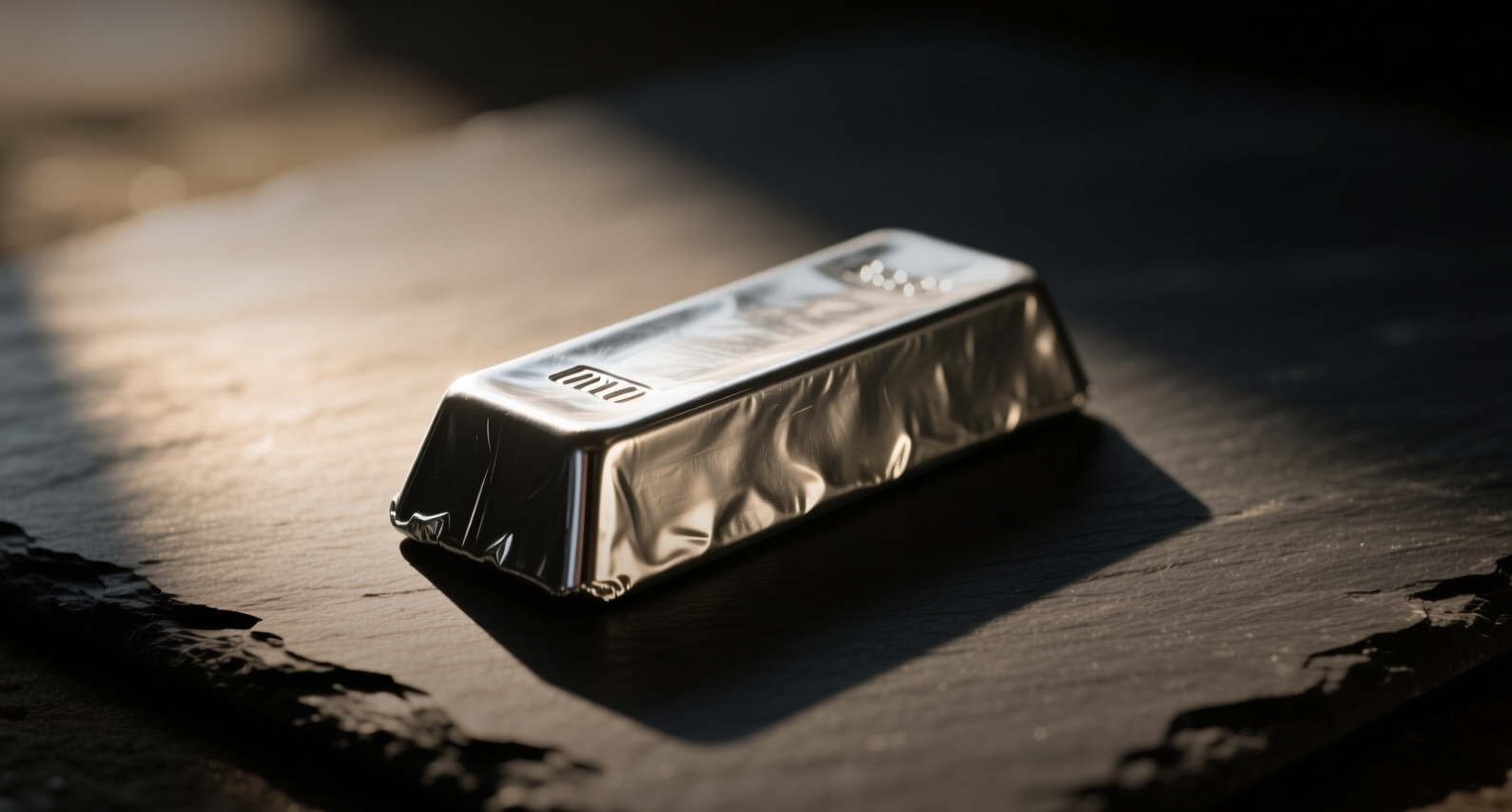
Australia will provide A$2.5 billion ($1.76 billion) to keep Rio Tinto's Tomago aluminum smelter, the country's largest, operating beyond 2028 with more affordable and reliable power.
The 10-year package, split evenly between the federal and NSW governments, is designed to prevent the closure of a plant that employs more than 1,000 workers and consumes more than 10 percent of the state's electricity, Prime Minister Anthony Albanese said.
Tomago Aluminium, majority-owned by Rio Tinto with a 51.55 percent stake, will invest at least $1.1 billion, including $100 million for decarbonisation and a demand-response program that lets the smelter cut power use to support the grid. The deal is expected to unlock 2.5 to 3 gigawatts of new renewable generation and firming capacity, with contracts managed through government-owned Snowy Hydro.
The rescue extends a series of taxpayer-funded lifelines for metals processors, including a $2 billion package for Rio Tinto's Boyne smelter in Queensland and $2.4 billion for the Whyalla steelworks, as owners face competition from cheaper Chinese producers and elevated energy costs.
Power Costs Set to Double After 2028
Tomago's existing electricity supply contract with AGL expires in December 2028, at which point power costs were projected to double. Electricity accounts for more than 40 percent of the smelter's operating costs, and the company said last October that none of the coal or renewable offers it received would keep the plant commercially viable.
The government assistance is not a single upfront grant. It supports a long-term power purchase arrangement that reduces the cost of supply by around $35 per megawatt-hour, bridging the gap between the asking price of new renewables and what Rio Tinto is prepared to pay. The arrangement also includes revenue clawbacks to the federal government when aluminum prices are high.
A Strategic Energy Asset
The smelter, which produces up to 590,000 tonnes of aluminum a year or about 37 percent of Australia's primary output, will establish a larger demand-response program to help stabilize the grid during periods of constrained supply. The plant has previously reduced its load by hundreds of megawatts within minutes during bushfires and extreme summer conditions.
Rio Tinto reported a half-year profit of $6.7 billion, up 47 percent from a year earlier, a figure that has drawn criticism over the use of public funds for a profitable multinational. Nationals leader Matt Canavan said it would not be "sustainable for our country to have to expect massive industries to live government blank cheque to government blank cheque."
The deal is expected to create about 2.5 gigawatts of new energy supply and could unlock up to $10 billion in new renewable investment and 4,000 construction jobs, according to Oliver Yates, former head of the Clean Energy Finance Corp. Aluminum is increasingly in demand for solar panels and wind turbines, making the smelter a key supplier to the energy transition.
This article is for informational purposes only and does not constitute investment advice.