

Key Takeaways: BAE Systems unveiled the Brontanax unmanned fighter jet at the Farnborough Airshow. The drone targets 80% of Typhoon capability at 25% of the cost. Flight testing is planned for 2027 with potential service entry by 2030.
Key Takeaways: BAE Systems unveiled the Brontanax unmanned fighter jet at the Farnborough Airshow. The drone targets 80% of Typhoon capability at 25% of the cost. Flight testing is planned for 2027 with potential service entry by 2030.
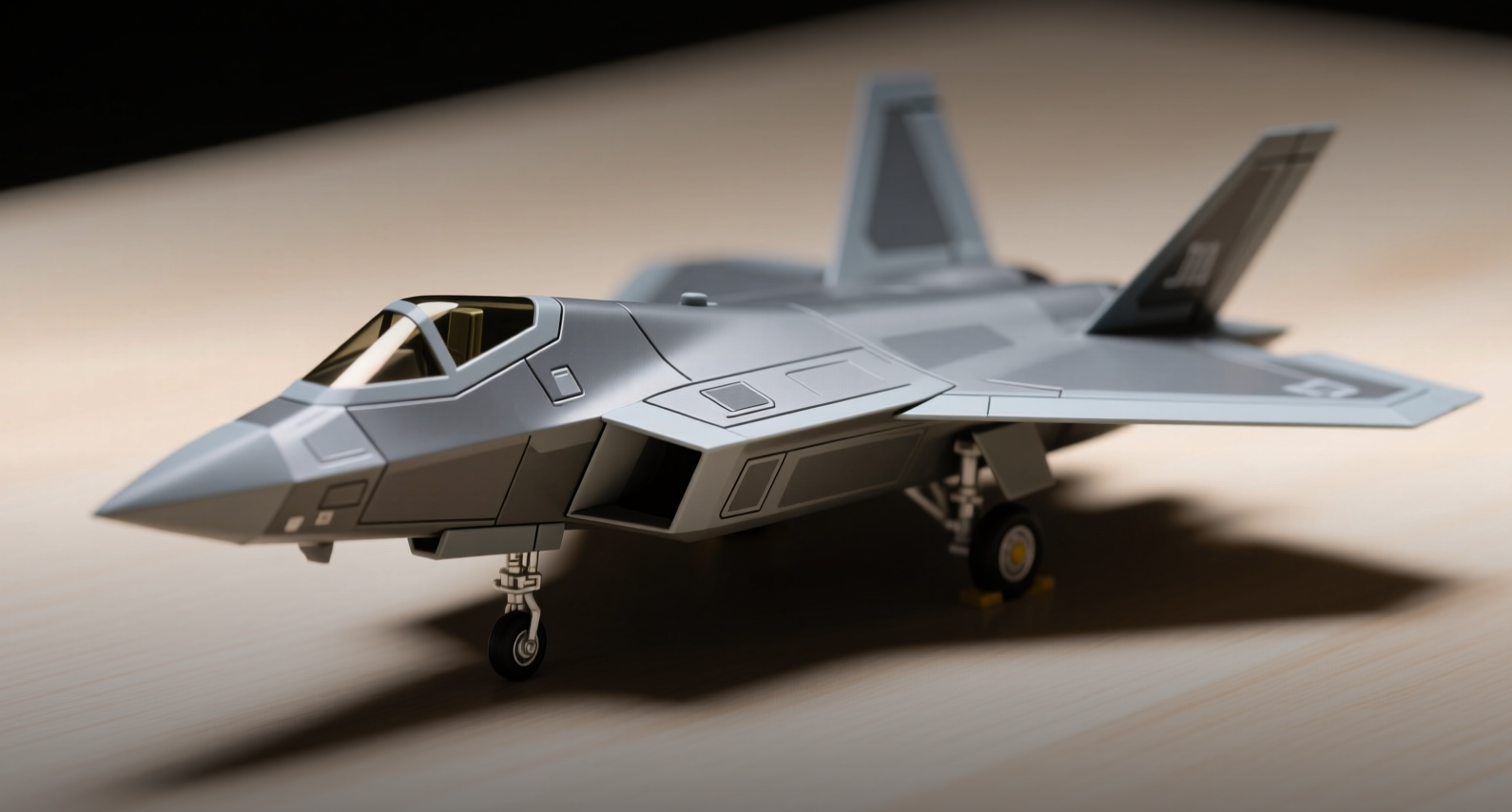
BAE Systems has entered the race for autonomous combat aircraft with a self-funded drone it claims can deliver 80% of a Typhoon fighter's capability at a quarter of the cost.
BAE Systems unveiled the Brontanax, a delta-winged unmanned aircraft the size of a Hawk trainer jet, at the Farnborough Airshow on Wednesday, thrusting Britain into one of the defence industry's most competitive markets. The company has already assembled a prototype at its Warton facility in northwest England and plans to begin flight testing in 2027, with potential service entry by 2030.
"This is a groundbreaking moment for UK defence, not just for air power, but for reindustrialisation," Wes Streeting, the UK's newly appointed Defence Secretary, said at the airshow. "We will adopt this as our operational concept demonstrator, and we're going to get it in the air in 2027."
The Brontanax — from the ancient Greek for "thunder king" — targets a price tag of roughly $25 million, or about 25% of a Eurofighter Typhoon's cost of €140 million to €190 million. BAE said the platform can perform 70% to 80% of the Typhoon's missions, including reconnaissance, electronic warfare, and strikes using Meteor air-to-air missiles or ground-attack weapons. The aircraft uses an open-architecture design with modular software that can be upgraded in "calendar weeks" rather than "calendar years," according to Dave Holmes, director of BAE's FalconWorks research arm.
BAE has invested hundreds of millions of pounds of its own money into the programme, developing the aircraft alongside the Royal Air Force since 2022 without the government co-investment that typically underpins new military platforms. The company has drawn on a supply chain of more than 70 UK suppliers. "We've put our money where our mouth is," Chief Executive Charles Woodburn said.
Competitive Landscape Heats Up
The Brontanax enters a crowded field of so-called Collaborative Combat Aircraft, or "loyal wingmen," designed to fly alongside piloted jets. Boeing's MQ-28 Ghost Bat, on display at Farnborough, has already begun flight testing for the Royal Australian Air Force and could enter service by 2028. US rivals Anduril and General Atomics are promoting their Fury and Gambit drones, both already in production for the US Air Force, while Airbus is also competing for business in a sector expected to expand rapidly as Western nations re-arm.
Defence chiefs have pointed to the Ukraine war as a key lesson: nations must control the skies to avoid attritional trench warfare, and that requires air forces to bulk up with lower-cost unmanned platforms. The Brontanax is designed to fly in formations of up to four drones paired with a single manned fighter, compatible with both the RAF's older Typhoon jets and newer F-35B fighters.
The UK government has allocated £300 million ($401 million) for its Storm Fighter CCA programme, which the Brontanax demonstrator is expected to inform. BAE is also bidding for a contract to supply loyal wingman drones for the British Army's Apache helicopters, competing against Anduril.
Export Potential and Investment Angle
BAE is targeting export customers in Europe and the Middle East, with some countries already expressing interest, Woodburn said. The company is designing the platform to use a US government reference architecture to make it more accessible for international buyers. Future iterations could incorporate Rolls-Royce's Orpheus family of low-cost turbofan engines, moving toward full UK sovereignty.
For investors, BAE's self-funded bet signals confidence in a market that could reshape defence procurement. The company's willingness to invest hundreds of millions without a guaranteed order reflects its view that the CCA market will expand rapidly as militaries seek affordable mass. BAE's stock is likely to benefit from positioning in a high-growth segment of defence spending, though the company faces stiff competition from US rivals with already-flying prototypes.
This article is for informational purposes only and does not constitute investment advice.
