
Key Takeaways:
- BCA Research shifts to buy on gold, sets stop-loss at $3,900/oz
- Real interest rates have likely peaked, dollar to turn tailwind
- Central banks added 289 tonnes in Q2 vs 45 tonnes of ETF outflows
Key Takeaways:
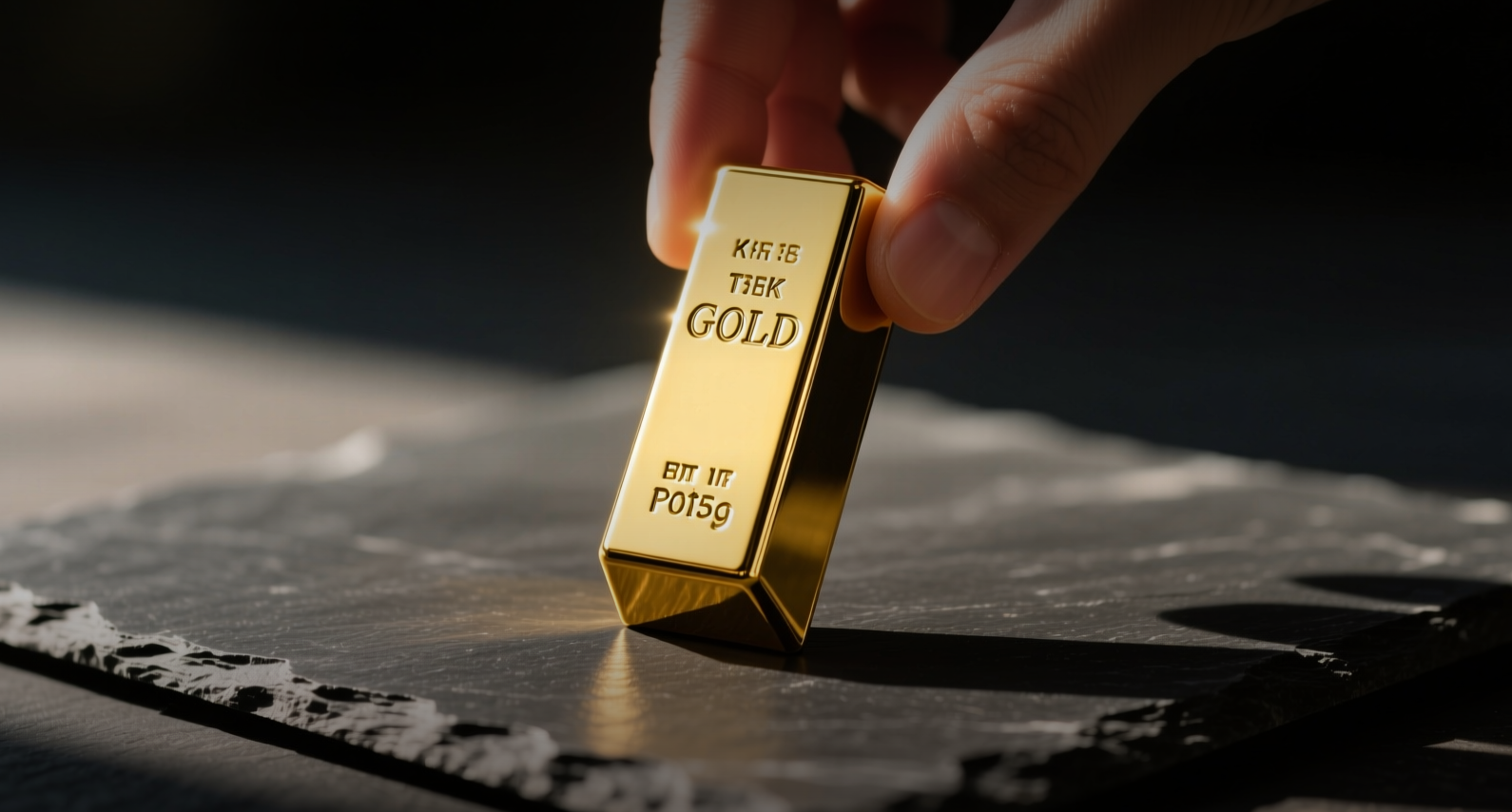
Gold held above $4,000 an ounce as BCA Research recommended investors begin accumulating the metal, arguing that real interest rates have peaked and the U.S. dollar is set to shift from headwind to tailwind for bullion.
"The worst of real rates' headwind to gold is likely behind us," Roukaya Ibrahim, chief commodities strategist at BCA Research, told Kitco News. "The recommendation to buy now basically embeds that real rates and the U.S. dollar are not going to rise further from here."
Gold traded at $4,018 an ounce, up 1.06 percent, while silver finished at $59.03, up 2.61 percent, as China and other central banks continued buying dips, according to market data. The 10-year Treasury yield sits near 4.7 percent, an 18-month high, while the U.S. Dollar Index has slipped to approximately 99.9.
BCA's shift from a neutral stance to a buy recommendation with a $3,900 stop-loss marks a notable turn for the Canadian research firm, which argues gold has returned to trading primarily as a macro asset after years of central bank buying overwhelming traditional drivers. The firm sees little risk of the Fed becoming more hawkish than markets already price, with futures assigning roughly 68 percent probability to a 25-basis-point hike at the September 16 FOMC meeting.
Official-sector buying continues to provide structural support. Central banks added 289 tonnes of gold to reserves in Q2 2026, compared with just 45 tonnes shed by gold ETFs in the same period, according to World Gold Council data — a more than six-to-one ratio of official buying over cyclical selling.
Ibrahim said gold does not require imminent rate cuts to rally, only confirmation that the peak in real yields is behind the market. "The headwind from opportunity costs is going to ease, and it's going to turn into a tailwind," she said. "Not because the U.S. economy is going to crack, but because the tightening is already priced in."
BCA pushes back against the perception of gold as primarily an inflation hedge, arguing that inflation only benefits bullion when it undermines confidence in the Federal Reserve and suppresses real yields. "Gold's ability to act as an inflation hedge is overstated. Real rates, rather than inflation, determine gold's performance," the report said.
Even if an oil-driven inflation shock emerges, Ibrahim expects any rise in real rates to prove temporary. "If we do get a price spike and inflation spike, then probably very quickly the attention is going to shift from it being an inflation story to being a growth story," she said, which would cap the Fed's hawkishness and establish a bottom for gold.
The firm also expects the greenback to weaken over the longer term as structural pressures build, with reserve diversification away from the dollar and persistent central bank buying providing ongoing support. "The greenback will shift from being a headwind to a tailwind to the yellow metal," the report concluded.
This article is for informational purposes only and does not constitute investment advice.
