
Key Takeaways:
- Bernstein keeps outperform on SpaceX with $239 target, implying 113% upside.
- Thesis hinges on orbital AI data centers and full Starship reusability by 2031.
- First earnings since IPO due Aug. 4; lock-up expiry follows two days later.
Key Takeaways:
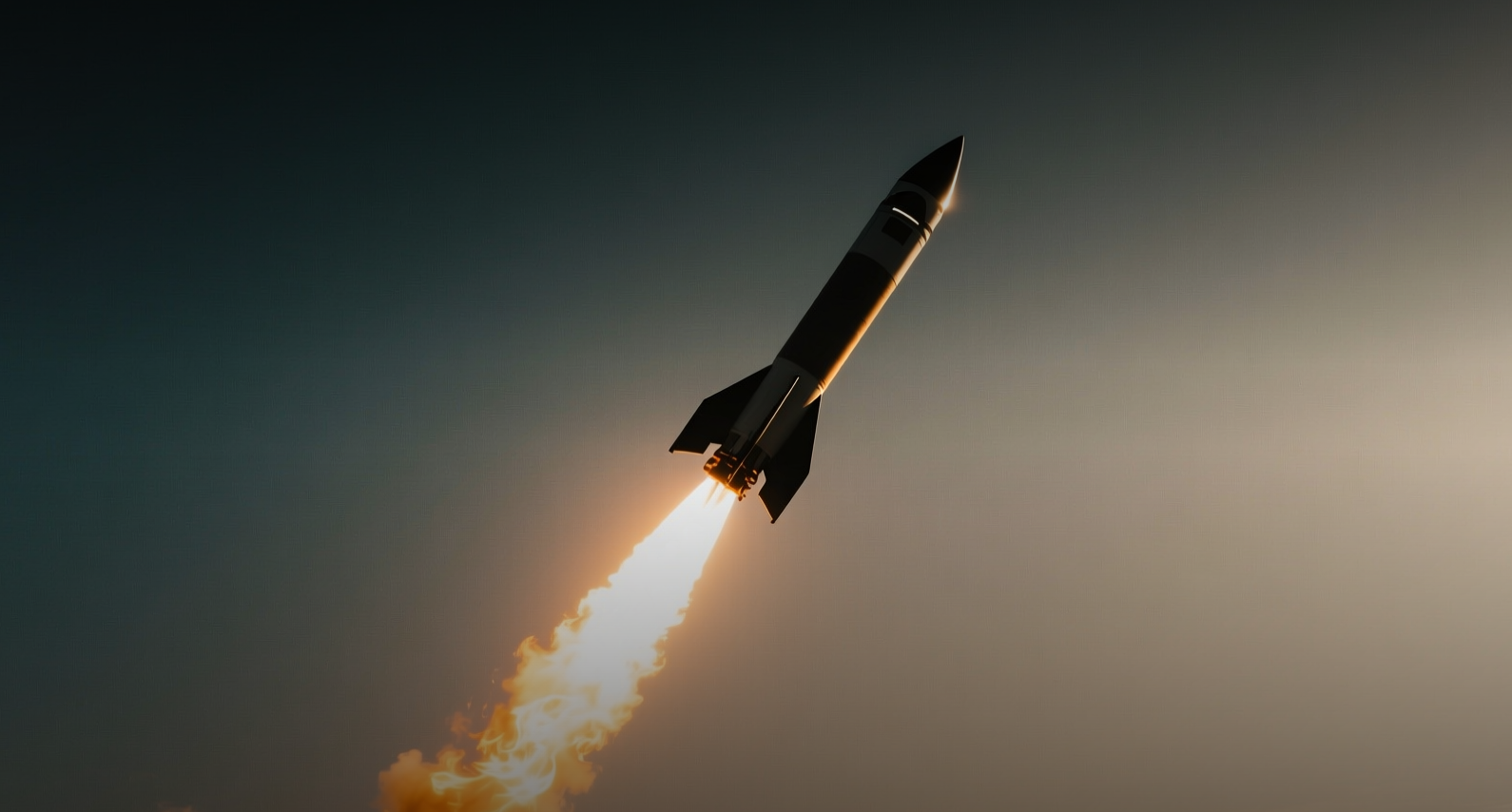
Bernstein kept its outperform rating on SpaceX with a $239 target, implying 113 percent upside from the $112.20 close before first earnings.
"Investors shouldn't over-read any single quarter; the key is whether management keeps proving the long-term growth path," Douglas S. Harned, analyst at Bernstein, said.
The thesis rests on orbital AI data centers, which Bernstein says could push SpaceX toward a multi-trillion-dollar valuation. The firm projects about 3,600 Starship launches a year by 2031, built on full reusability of both booster and ship. Deploying roughly 20 gigawatts of orbital compute would need about 170,000 satellites at 120 kilowatts each, or about 2.8 million wafers a year — the output of roughly five dedicated fabs costing more than $160 billion.
SpaceX reports its first quarterly results since its June IPO on Aug. 4 after the close. The stock has fallen about 34 percent from its post-IPO high, and a lock-up expiry two days later will release as many as 911.5 million insider shares, about 20 percent of the float.
Harned said the technical hurdles to orbital data centers are largely solvable. Radiative cooling can support more than 100 kilowatts of sustained compute with 30 to 50 square meters of radiator panels, matching the design of SpaceX's AI1 satellite at 120 kilowatts average power and 110 square meters of radiators. Power is not a constraint because the satellites would sit in a dawn-dusk sun-synchronous orbit, keeping them in near-constant sunlight. Latency of about 2 milliseconds from 600 to 800 kilometers is below what many ground users experience, and Bernstein expects model training to stay on Earth while orbital capacity handles inference.
The bigger risks are regulatory and supply-side. The Federal Aviation Administration still approves each Starship launch individually and has not cleared an orbital flight; Flight 14 could be the first attempt. The Federal Communications Commission has yet to fully approve SpaceX's application for about 100,000 Starlink V3 satellites and up to 1 million AI data center satellites. Bernstein also flagged unresolved questions over data sovereignty for assets stored in space.
The stock has diverged from operational wins. A $1.6 billion Space Force contract for 18 Falcon 9 launches through 2027, announced Wednesday, failed to lift shares, which fell 3.32 percent that day. About 35 percent of the free float is sold short, a $26 billion bearish bet, according to S3 Partners, and the stock trades at roughly 77 times sales versus about 7 for comparable technology companies.
The report frames the debate ahead of earnings: whether SpaceX's AI ambitions justify a valuation that rests on revenue not yet realized. Investors will watch the Aug. 4 report and the lock-up expiry two days later for signs the stock can hold above its 52-week low.
This article is for informational purposes only and does not constitute investment advice.
