
Key Takeaways:
- Magnificent Seven lost $800 billion in market value on Thursday.
- Bitcoin fell less than 1%, holding near $65,000 as crypto decoupled.
- Fed rate hike odds jumped to 82% as oil prices surged past $100.
Key Takeaways:
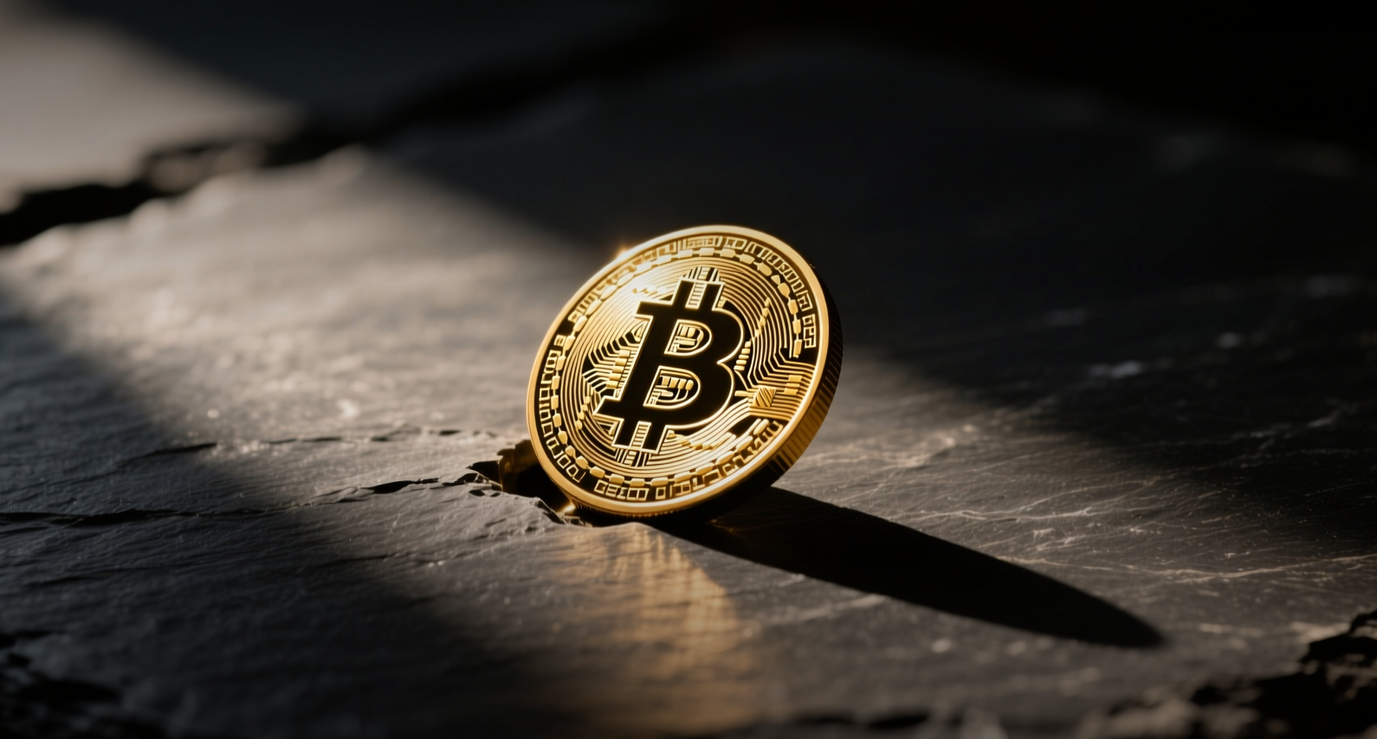
Bitcoin fell less than 1% to hold near $65,000 as the Magnificent Seven suffered their worst selloff since April 2025, erasing $800 billion in market value as of 20:00 UTC on Thursday.
"The market is undergoing a fundamental regime shift in how it values capital-intensive investments," Peter Oppenheimer, chief global equity strategist at Goldman Sachs, said. "If you can generate a return that comfortably exceeds the higher cost of capital, that's going to be an important factor."
Alphabet dived almost 7% after raising its 2026 capital expenditure forecast to as much as $205 billion, while Tesla plunged more than 14% after pledging to accelerate spending despite missing earnings estimates. Amazon slid 5%, Meta tumbled 4.7% and Microsoft dropped 3.1%. Apple, which has largely avoided massive AI infrastructure buildouts, fell just 1.7%.
The selloff comes as the CME FedWatch Tool shows an 82% probability of a Federal Reserve rate hike in September 2026, with oil prices surging past $100 a barrel on Middle East tensions. The 10-year US Treasury yield, a key baseline for corporate cost of capital, is at its highest in over a year — raising the bar for returns on the hundreds of billions poured into AI infrastructure.
The Roundhill Magnificent Seven ETF (MAGS) plunged nearly 5% on Thursday, heading for its worst session since the tariff-driven selloff in April 2025. The index has now retreated 11% from its record high set in late May.
Bitcoin's relative stability contrasted sharply with the equity rout. Dogecoin led losses among major cryptocurrencies, while ether also declined. The decoupling suggests crypto markets are not yet pricing in contagion risk from a broader tech unwind, though traders are watching whether the selloff spreads to risk assets more broadly.
Goldman Sachs' Oppenheimer described the current environment as a "post-modern cycle" defined by higher interest rates, elevated government debt and geopolitical fragmentation — conditions that have raised the hurdle rate for capital across all asset classes. In the prior era of falling rates and cheap capital, investors benefited simply from rising financial asset valuations. Now, fundamental profit growth is becoming the crucial driver of performance.
The transmission chain is clear: surging oil prices after the breakdown of the US-Iran truce have reignited inflation fears, pushing fed funds futures to price in a rate hike. Higher rates raise the cost of capital for tech companies funding massive AI buildouts. Investors are now demanding clear visibility on returns from the more than $700 billion that Meta, Microsoft, Amazon and others have committed to AI spending this year.
For Bitcoin, the key question is whether it can maintain its decoupling if the tech selloff broadens into a full risk-off move. Support sits near $63,000, while resistance at $67,000 marks the next upside hurdle.
This article is for informational purposes only and does not constitute investment advice.
