

Geopolitical de-escalation is re-emerging as a primary driver for digital assets, with billions in Iranian-linked crypto caught in the balance between diplomacy and sanctions.
Geopolitical de-escalation is re-emerging as a primary driver for digital assets, with billions in Iranian-linked crypto caught in the balance between diplomacy and sanctions.
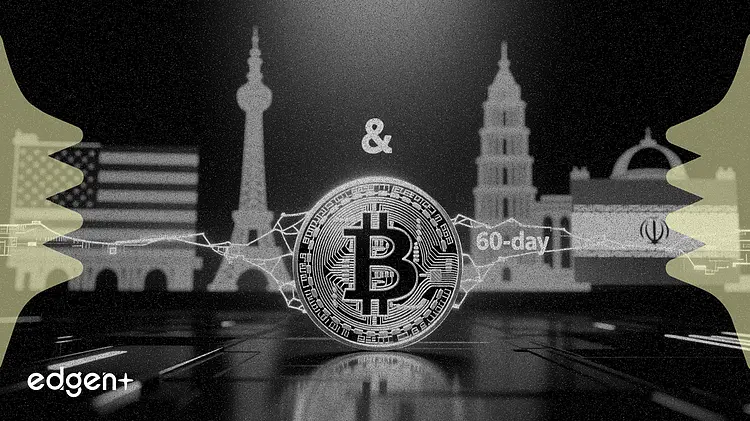
Bitcoin held steady near $79,000 as of 18:00 UTC on May 23, as the United States and Iran moved closer to a 60-day ceasefire extension, calming geopolitical risk that has weighed on markets for three months.
The progress in talks, mediated by Pakistan, was reported by The Financial Times and confirmed by negotiators in Dubai, representing the most significant diplomatic progress since an initial truce began on April 8, 2026. For crypto markets, the de-escalation provides a fragile floor for prices that have been highly sensitive to the conflict.
The original two-week ceasefire has been extended multiple times, with Bitcoin previously rallying past $78,000 on April 22 after the truce was prolonged indefinitely. While the diplomatic track shows promise, US authorities have continued a parallel campaign of sanctions enforcement, freezing approximately $500 million in crypto assets and targeting a network valued at over $7.7 billion.
This creates a complex dynamic for investors, where military de-escalation could reduce macro risk, but aggressive crypto-specific sanctions may continue to introduce volatility. The key question is whether a military truce will soften the US Treasury's stance on digital assets used for sanctions evasion, a topic not yet addressed in the talks.
While the ceasefire negotiations focus on military and nuclear issues, US enforcement actions against Iranian crypto networks are proceeding independently. Authorities have identified an estimated $7.7 billion in digital assets, primarily Bitcoin, used to circumvent traditional financial sanctions and facilitate cross-border payments. The $500 million seized so far signals a growing capability to track and interdict on-chain flows.
This enforcement creates specific risks for crypto traders. Any wallets or exchange platforms perceived as being connected to the Iranian network face potential blacklisting, which could instantly freeze liquidity. The correlation of other major tokens like Ethereum, Solana, and XRP with Bitcoin during negotiation updates suggests traders are pricing in the geopolitical risk across the asset class, not just for the largest token.
For investors, a successful 60-day extension of the ceasefire likely provides continued support for Bitcoin above the $78,000 level. However, a collapse in talks could see the recent high of $83,000 become a firm ceiling as geopolitical risk premiums return. Traders will be closely watching for any announcements regarding the Strait of Hormuz, a critical chokepoint for global oil supply, as its status has an immediate impact on broader market sentiment.
This article is for informational purposes only and does not constitute investment advice.
