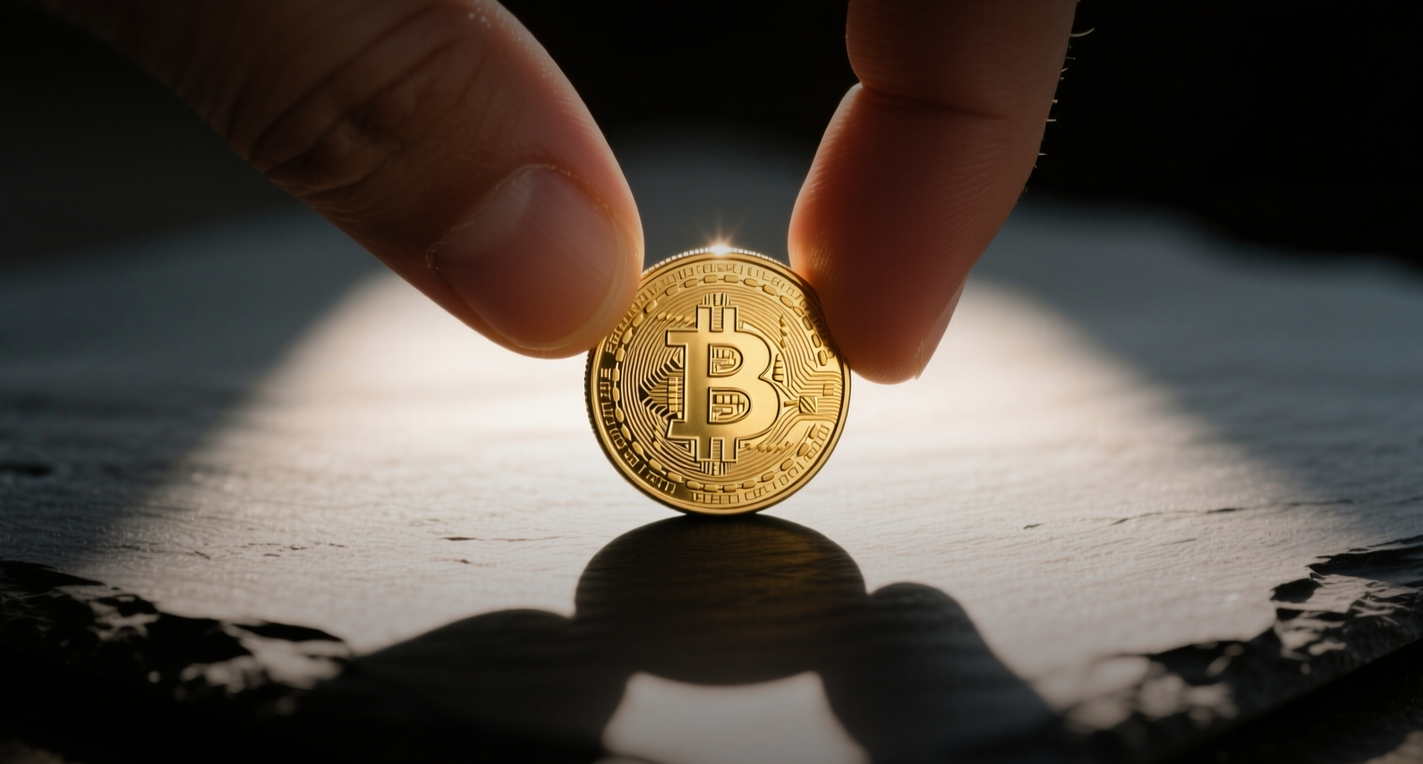
Warsh's proposal to cut Fed meetings from eight to six sent Bitcoin to $68,245, up 5.3 percent, as traders recalibrated around a quieter central bank.
Bitcoin jumped 5.3 percent to $68,245 after Fed minutes revealed Warsh's proposal to cut meetings from eight to six.
The minutes showed a 9-3 vote on July 29 to hold rates at 3.50 percent to 3.75 percent, with Beth Hammack, Neel Kashkari, and Lorie Logan dissenting in favor of an immediate quarter-point hike. "Many participants assessed that higher rates would likely be necessary if inflation did not decline," the minutes said.
Inflation ran at 3.7 percent in June, well above the Fed's 2 percent target, while core PCE is expected at 3.3 percent for July. Long-term Treasury yields hit levels not seen since 2007, with the 10-year touching 4.7 percent before the Treasury Department announced a bond buyback program. Markets had priced a one-in-three chance of a July hike before the vote, shifting to a full quarter-point by September.
The next test comes September 15-16, when the Fed could deliver the hike hawks have been pushing for. A reduction in meeting frequency would compress volatility into fewer, sharper decision points — a structural shift for a market that trades on Fed signals.
Fewer Meetings, Sharper Swings
Warsh's proposal is part of a broader communication overhaul. He has already shortened Fed statements and stopped providing forward guidance, which he sees as limiting policy options. Cutting meetings from eight to six per year would stretch the cadence from roughly every six weeks to every two months.
For Bitcoin, the change cuts both ways. Fewer scheduled updates mean fewer market-moving events, but when a decision lands, the reaction could be bigger and harder to trade around. The bond market has already shown how sensitive investors are to Fed signals — long-term yields hit their highest since 2007 after the July hold, pulling capital toward government debt and away from risk assets like Bitcoin.
Gold has outperformed Bitcoin this year as 5 percent Treasury yields made safer assets more attractive. The Fed's internal split on artificial intelligence adds another layer of uncertainty: some officials see the AI boom pushing prices higher through investment and energy demand, while others expect it to drive costs down over time.
The September 15-16 meeting is the next inflection point. Markets have already priced in a potential quarter-point increase, and the three hawkish dissenters from July are unlikely to soften their stance if inflation remains elevated. The Fed's minutes also flagged Middle East tensions as a risk to supply costs, which could keep inflation sticky even as domestic demand softens. The impact of previous tariffs was seen as largely exhausted, removing one source of price pressure.
Bitcoin closed near $68,245 after the minutes dropped, up 5.3 percent on the session. The next move depends on whether the hawks gain ground at the September meeting — and whether Warsh's quieter Fed makes the market's job of reading the central bank harder or easier. For traders, the stakes are clear: fewer meetings mean fewer chances to adjust, and the September decision could set the tone for the rest of the year.
This article is for informational purposes only and does not constitute investment advice.