
핵심 요약:
- BofA 전략가들, AI 랠리가 닷컴 시대가 아닌 붐-버스트 패턴을 따른다고 분석
- 피치 데이터에 따르면 4월 프라이빗 크레딧 디폴트율이 6%로 사상 최고 기록
- UBS, 소프트웨어 업종이 AI 압력을 받으면서 디폴트율이 9~10%까지 상승할 수 있다고 경고
핵심 요약:
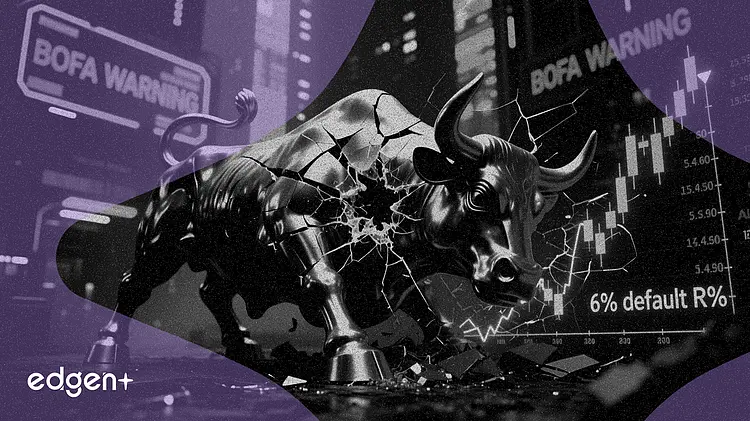
Bank of America 전략가들은 AI 랠리에 대해 역사적 유사점을 제시하며, 이것이 닷컴 시대가 아닌 붐-버스트(호황-침체) 역학을 가리킨다고 분석했다.
유럽 증시는 역풍에 직면했다. BofA 전략가들은 AI 구축이 붐-버스트 패턴을 따르고 있으며, 프라이빗 크레딧 디폴트율이 이미 4월에 사상 최고치인 6%를 기록했다고 경고했다.
UBS의 전략가 매튜 미쉬는 "업데이트된 분석에 따르면 프라이빗 크레딧 디폴트율이 약 4.4%에서 9~10%로 의미 있게 증가할 것으로 보이며, 그 원인 중 일부는 AI 사이클의 영향 때문"이라고 말했다. 그는 소프트웨어 기업들의 성장 둔화, 가격 결정력 약화, 마진 압박이 심화됨에 따라 위험이 연말과 2027년 초까지 강화될 것으로 예상된다고 덧붙였다.
피치는 4월 프라이빗 크레딧 연간 디폴트율이 6%로 사상 최고치를 기록했으며, 해당 월에 10건의 디폴트 사건이 발생했다고 발표했다. 4월까지 12개월 동안 이 평가사는 이자 지급 유예, 만기 연장, 현물 지급 등 다양한 종류의 디폴트를 99건 기록했다. S&P에 따르면 소프트웨어는 중간시장 담보부 대출 의무(Collateralized Loan Obligations) 자산의 19%를 차지하며 AI 주도 혼란에 가장 취약한 업종이다. 무디스 데이터에 따르면 은행들은 프라이빗 크레딧 펀드에 약 3,000억 달러의 대출을 실행했다.
미쉬는 프라이빗 크레딧에서 공공 시장으로의 전이 리스크가 과소평가되고 있다고 지적하며, 보험사, 외국인 투자자, 리테일 참가자 간 투자자 기반이 상당 부분 중복된다고 설명했다. DoubleLine Capital의 CEO 제프리 건들락은 지난달 6월에 간격 펀드(interval funds)로부터 "엄청난 규모의 인출 요청"이 발생할 수 있으며, 이는 광범위한 시장 스트레스의 촉매가 될 가능성이 있다고 경고했다. 건들락은 소셜 미디어에 "6월의 이데스(Ides of June)를 조심하라"고 게시했다.
소프트웨어 업종 압박
목요일 Salesforce의 주가 성과는 소프트웨어 업계가 직면한 과제를 여실히 보여줬다. 이 회사는 이익 및 매출 추정치를 상회했지만, 월스트리트의 여러 기관이 AI 시대의 장기 성장 전망에 의문을 제기하면서 주가는 하락했다. BofA 애널리스트 탈 랴니는 OpenAI, Anthropic과 같은 AI 연구소가 다운스트림으로 기업용 애플리케이션 영역까지 확장하여 Salesforce와 같은 기업과 직접 경쟁할 위험이 증가하고 있다고 말했다.
소프트웨어에 가해지는 압력은 프라이빗 크레딧 시장으로 파급되고 있다. 이는 해당 업종이 증권화된 대출의 큰 비중을 차지하고 있기 때문이다. UBS의 미쉬는 AI 사이클이 소프트웨어 기업 전반에서 계약 취소를 유발하고 마진을 압박하고 있으며, 이는 해당 기업들이 담보로 제공된 대출의 디폴트 가능성을 높인다고 말했다.
리테일 및 기관 익스포저
특히 스트레스가 프라이빗 크레딧 펀드에 대출을 실행한 은행들로 확산될 경우, 리테일 투자자들도 그 여파로부터 안전하지 않을 수 있다. Unicus의 창업자 락스 가나파티는 KKR, 골드만삭스 자산운용, 아폴로, 블랙록, 블랙스톤을 포함한 주요 자산운용사들이 모두 프라이빗 크레딧 상품을 통해 리테일 은퇴 계좌 시장에 진출했다고 말했다. 보스턴 칼리지 은퇴 연구 센터에 따르면 켄터키, 애리조나, 캘리포니아, 버지니아주의 공적 연금 시스템도 상당한 프라이빗 크레딧 익스포저를 보유하고 있다.
건들락은 프라이빗 크레딧의 스트레스가 공공 증권 매도를 강제할 것이라는 견해에 반박하며, 주식 시장은 여전히 견고하다고 지적했다. 그는 블룸버그와의 인터뷰에서 "주식 시장은 곤경에 처해 있지 않다. 오히려 신고가를 기록 중이다"라며 "만약 그런 개념에 현실성이 있다면, 더 많은 증거가 나타났어야 할 것"이라고 말했다.
본 문서는 정보 제공 목적으로만 작성되었으며, 투자 조언을 구성하지 않습니다.
