

Key Takeaways:
- BP's chair was ousted, triggering investor concerns about board governance
- One top active investor warns critics may miss the bigger strategic picture
- The leadership disruption comes as BP navigates its energy transition strategy
Key Takeaways:
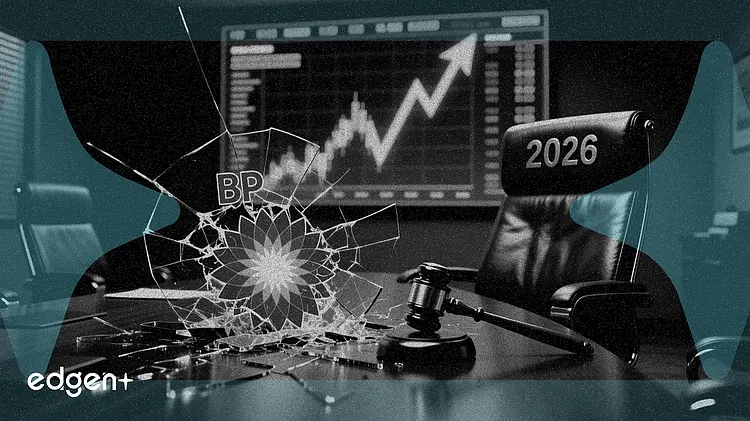
BP's board is under scrutiny after the ouster of its chair triggered questions about governance at one of the world's largest oil companies.
BP's board faces mounting investor scrutiny after the ouster of its chair, with one of the oil supermajor's top active investors warning that critics risk missing the bigger strategic picture.
"BP investors push for clarity over ousting of chair," the Financial Times reported June 10, citing shareholder concerns about the board's decision-making process and the lack of transparency around the departure.
The leadership changes come as BP navigates a complex energy transition strategy, balancing investments in renewable energy against its core oil and gas operations. The company's board structure and succession planning have become focal points for investors seeking assurance that governance keeps pace with strategic ambition.
For BP, the governance turmoil risks distracting from the strategic decisions that will determine its long-term value. With the energy transition reshaping demand forecasts and investor expectations, the board's ability to provide stable oversight is critical to maintaining confidence in the company's direction.
The ouster of BP's chair represents the most significant board-level disruption at the company in years. It follows a period of strategic repositioning under Chief Executive Officer Murray Auchincloss, who took the helm in early 2024 after the abrupt departure of Bernard Looney. The succession at the top has already tested the board's ability to manage leadership transitions.
One of BP's largest active investors cautioned that the focus on board composition may overshadow more fundamental questions about the company's strategy. "The governance debate is important, but the real test is whether BP can execute its strategy in a way that delivers returns," the investor said, speaking on condition of anonymity.
The board changes also raise questions about BP's approach to the energy transition. The company has set targets to reduce oil and gas production by 25 percent by 2030 compared with 2019 levels, while scaling up its renewable energy and low-carbon businesses. Critics argue the strategy lacks clarity, while supporters say it positions BP for a lower-carbon future.
Governance Under the Microscope
BP's governance challenges come at a time when institutional investors are increasingly scrutinizing board composition and succession planning across the energy sector. The ouster of a chair at a supermajor is rare and points to deeper tensions within the boardroom.
The company's next steps will be closely watched. Investors expect clarity on the board's structure, the appointment of a new chair, and a clear articulation of how governance changes support BP's strategic objectives. Rivals including Shell and TotalEnergies face similar pressure to demonstrate board stability as the sector navigates the energy transition.
This article is for informational purposes only and does not constitute investment advice.
