
The US-Iran ceasefire is signed but far from settled, leaving oil traders guessing on the Strait of Hormuz.
The US-Iran ceasefire is signed but far from settled, leaving oil traders guessing on the Strait of Hormuz.
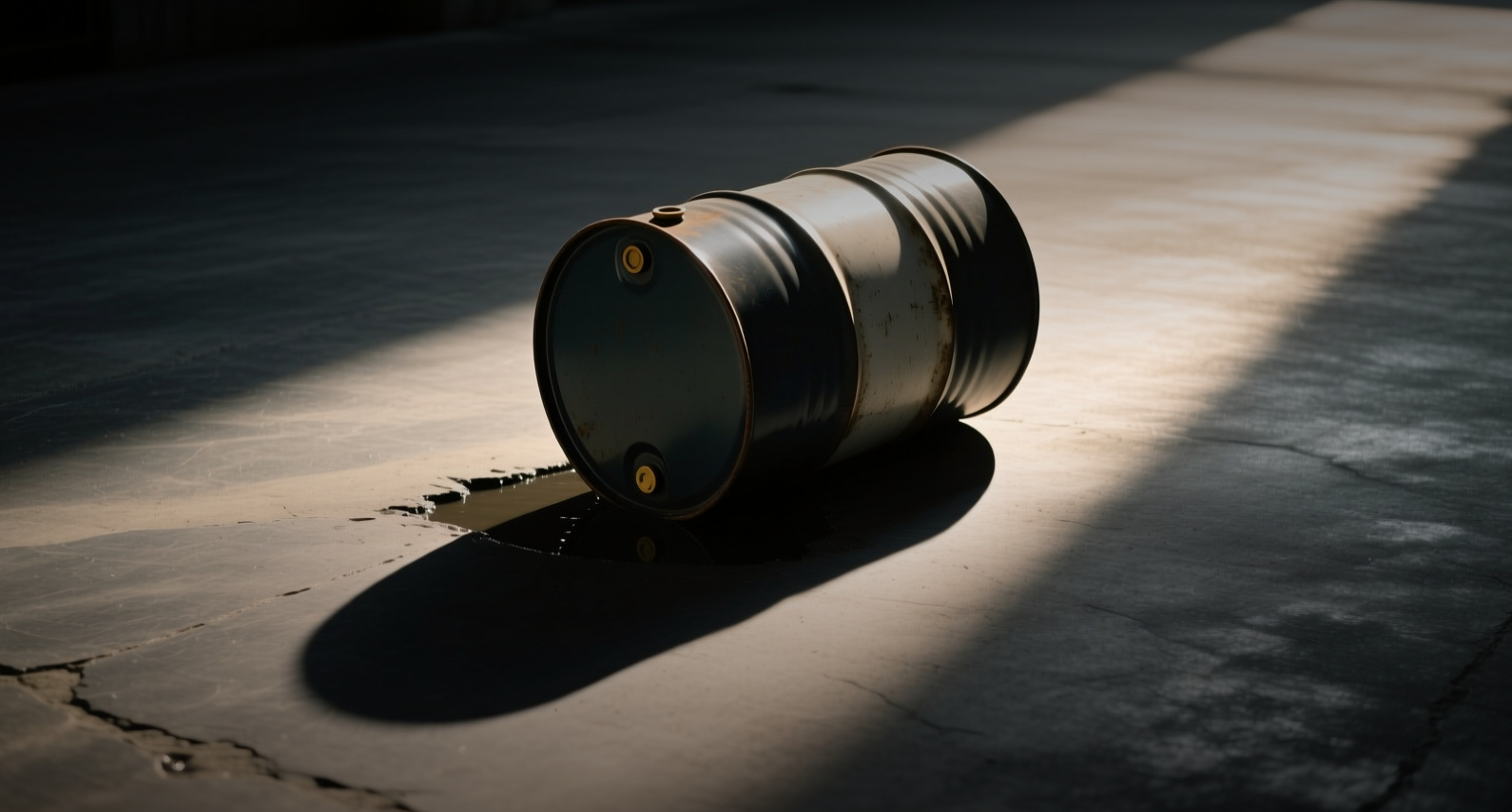
The US-Iran ceasefire is signed but far from settled, leaving oil traders guessing on the Strait of Hormuz.
Brent crude fell as much as 3.2% to $71.80 a barrel Friday, extending a volatile week as traders questioned whether the US-Iran ceasefire deal signed Tuesday would hold long enough to restore full flows through the Strait of Hormuz.
"The market is pricing in a partial reopening, but the deal's fragility means any breakdown could reverse those gains in hours," said Omar Tariq, a former Bloomberg commodities analyst covering Asia-Pacific resource flows.
The 14-point memorandum of understanding signed by President Donald Trump at the G7 summit in France on June 17 commits Iran to never developing a nuclear weapon and establishes a $300 billion reconstruction fund, though the US is not required to contribute. The agreement extends a ceasefire that began after months of conflict triggered by Israel's attack on Iran roughly four months ago. WTI crude traded near $68.20, down 2.8% on the day, as both benchmarks gave back some of the gains accumulated during the initial supply disruption.
The Strait of Hormuz handles about 20% of the world's oil transit, and even a partial reopening would ease supply fears that have added a $5-to-$8 risk premium to crude since the conflict began. But with Vice President JD Vance delaying a planned Switzerland trip to participate in the peace talks, and analysts at multiple firms flagging the deal's fragility, the path to normalized flows remains uncertain.
A $300 Billion Question
The reconstruction fund is designed to give Iran a financial incentive to comply, but the absence of a US contribution and the lack of a detailed verification mechanism leave the agreement exposed. Iran's leadership faces a delicate balance: accepting the deal risks domestic backlash after months of war footing, while rejecting it would restart a conflict that has already strained the country's economy and military.
What Traders Are Watching Next
The key date is the formal reopening of the Strait of Hormuz, which the White House confirmed would follow the signing but has not specified a timeline. Each day of delay adds to the uncertainty premium in crude. If the strait reopens fully within the next two weeks, Brent could test $68 support. If the deal collapses, a spike above $85 is plausible, traders said.
This article is for informational purposes only and does not constitute investment advice.
