
US strikes on Iranian launchers near Hormuz pushed Brent above $90, pressuring gold and lifting Treasury yields as Fed-hike odds climbed.
US strikes on Iranian launchers near Hormuz pushed Brent above $90, pressuring gold and lifting Treasury yields as Fed-hike odds climbed.
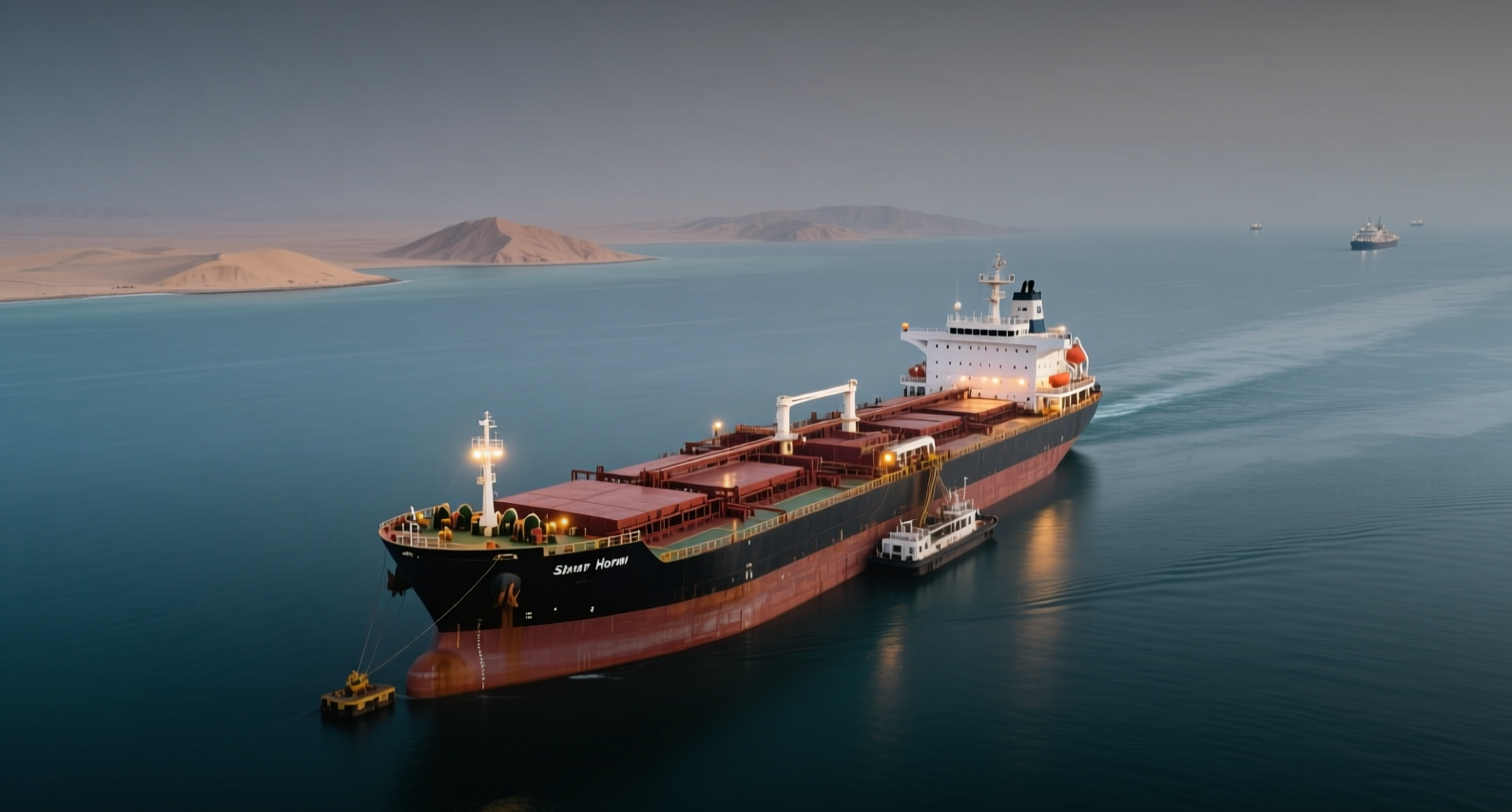
US strikes on Iranian launchers near Hormuz pushed Brent above $90, pressuring gold and lifting Treasury yields as Fed-hike odds climbed.
US strikes on Iranian launchers near the Strait of Hormuz pushed Brent above $90 a barrel and pressured gold, as renewed escalation after a six-month conflict raised the odds of further Federal Reserve rate hikes.
US forces struck two Iranian launchers on Larak Island on Sunday after observing Revolutionary Guard personnel preparing to deploy rockets loaded with sea mines into the Strait of Hormuz, Captain Tim Hawkins, a US Central Command spokesperson, said. Iran responded within hours by firing ballistic missiles at two US air bases in Jordan, eight of which were intercepted by Jordanian air defenses.
Brent crude traded at $90.49 a barrel, up 2.71 percent, while West Texas Intermediate rose 2.47 percent to $85.46, according to OilPrice.com. Dow futures fell 85 points, or 0.16 percent, and S&P 500 and Nasdaq-100 futures each slipped 0.2 percent in Sunday evening trading. Spot gold traded slightly lower while spot silver was modestly higher, as long-end Treasury yields pushed up and kept pressure on non-yielding metals following Friday's hawkish Fed surprise.
The Strait of Hormuz carries roughly one-fifth of global oil shipments, and the US military has redirected 83 commercial vessels and disabled three under its blockade of Iranian ports. A sustained oil spike feeds directly into headline inflation, complicating the Fed's path on rate cuts. If crude remains above $90, oil-dependent sectors face margin pressure while the case for further Fed tightening strengthens.
The strikes marked the first known American attack on Iran since late July, breaking a stretch of relative calm in a conflict that began in February 2026. A memorandum of understanding that had largely paused hostilities expired on August 17, and neither side moved to extend it. Treasury Secretary Scott Bessent's "Operation Economic Outcast," unveiled last week, threatened to cut off foreign companies doing business with Iran from US financial institutions — a strategy that lasted less than a week before the Larak Island strikes.
The war has killed at least 18 US soldiers, and a Reuters/Ipsos poll published August 24 showed only 31 percent of Americans approve of the conflict. Iran's Revolutionary Guards said the attack killed and wounded soldiers and civilians and would bring a response, according to Iranian state media. The UAE separately reported intercepting an Iranian drone over its territorial waters on Monday, adding to the sense of a widening confrontation.
Regional alliances are shifting in parallel. Israel finalized a 3-billion-euro defense agreement with Greece, and a new defense pact involving Turkey, Pakistan, and Saudi Arabia is taking shape. While largely political, these moves highlight how quickly the strategic environment is changing in response to the conflict.
Gold's traditional safe-haven appeal has been muted by the competing pressure of rising real yields. The hawkish Fed surprise on Friday, which raised market-implied odds of further rate hikes, pushed long-end Treasury yields higher and kept pressure on non-yielding metals. Spot gold traded slightly lower in late-afternoon US trading Monday, while spot silver was modestly higher.
The last time oil spiked on Hormuz-related escalation in March, Brent fell more than 10 percent after President Donald Trump delayed planned strikes, and later declined when traders saw signs of a possible Iran deal. The current pattern — military pressure, diplomatic hope, renewed violence — has made the conflict harder to price than a single clean shock.
For Indian markets, the escalation brings renewed focus on energy costs. Oil marketing companies may face pressure on refining and marketing margins if they cannot pass on cost increases, while paints, chemicals, and aviation sectors face higher input costs from crude derivatives. India remains a major crude importer, and sustained high oil prices often lead to a higher import bill, which can pressure the Indian Rupee.
The coming days will determine whether this is a temporary flare-up or a new, deadlier phase. US President Donald Trump faces growing pressure to end the conflict rather than escalate it, with Republican support for the war declining. Mediators from Pakistan, Qatar, and Oman have been floated as potential paths back to talks, but neither side has indicated willingness to return to the negotiating table.
This article is for informational purposes only and does not constitute investment advice.
