
주요 시사점:
- 브뤼겔의 군트람 울프, 시장이 이란 핵 합의 가능성을 비현실적인 80%로 평가하고 있다고 경고
- 원유, 협상 결렬 또는 돌파구 발생 시 최대 20% 급변 가능성
- 이란 강경파와 해결되지 않은 핵 농축 요구, 잠정 합의를 위협
주요 시사점:
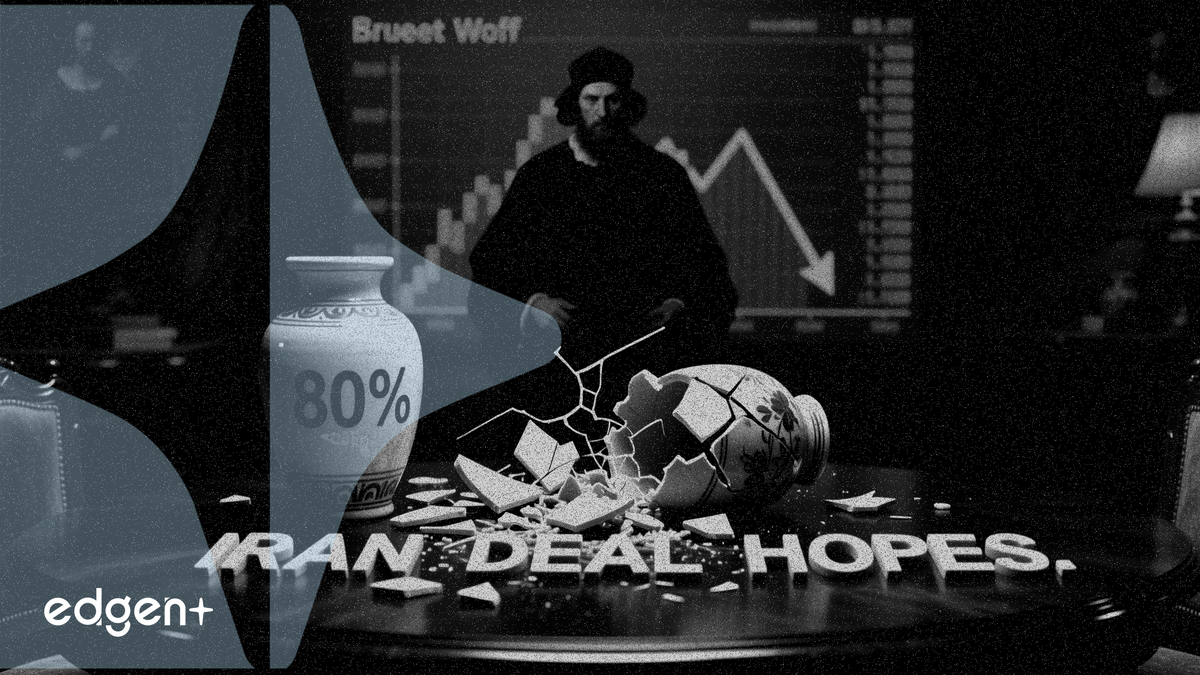
브뤼겔(Bruegel) 선임연구원 군트람 울프(Guntram Wolff)는 월요일 금융시장이 미-이란 포괄적 핵 합의 가능성을 비현실적으로 높게 평가하고 있어 원유 및 지역 자산이 급격한 가격 재조정에 취약하다고 경고했다.
시장은 미-이란 포괄적 핵 합의 가능성을 80%로 평가하고 있지만 이는 현실적인 확률을 훨씬 웃도는 수준이라고 군트람 울프 브뤼겔 선임연구원이 월요일 밝히며, 원유 가격이 어느 방향으로든 20% 급변할 수 있다고 경고했다.
울프는 블룸버그 텔레비전과의 인터뷰에서 "시장은 합의 전망에 대해 지나치게 낙관적이다. 협상자들 간의 격차, 특히 핵 농축 및 제재 완화 문제에서 여전히 상당하다"고 말했다.
미국과 이란 협상단은 5월 28일 휴전 연장 및 이란 핵 프로그램에 대한 논의를 시작하기 위한 60일간의 잠정 양해각서(MOU)에 합의했다. 그러나 이 합의는 도널드 트럼프 대통령과 최고지도자 모즈타바 하메네이 모두의 승인이 필요하지만, 아직 누구도 서명하지 않았다. 국제원자력기구(IAEA)에 따르면 이란은 순도 60%까지 농축된 우라늄 440.9kg을 보유하고 있으며, 이는 무기급 수준인 90%에 불과한 기술적 단계이다. 이란은 핵 논의의 선결 조건으로 동결된 자산 120억 달러에 대한 즉각적인 접근을 요구했지만, 트럼프 행정부는 이를 거부했다.
세계 거래 원유 및 천연가스의 약 5분의 1이 통과하는 호르무즈 해협은 사실상 폐쇄된 상태로, 이란은 전쟁 이전 100척 이상과 비교해 하루 약 24척의 상선만 통과를 허용하고 있다. 스콧 베센트 재무장관은 합의가 최종 확정되면 유가가 "매우 빠르게 하락할 수 있다"고 예측했지만, 울프의 경고는 협상 결렬이라는 반대 시나리오가 현재 시장이 반영하는 것보다 훨씬 더 큰 비중을 차지하고 있음을 시사한다.
잠정 양해각서는 이란이 30일 이내에 해협 내 모든 기뢰를 제거하고 상선에 대한 통행료 부과를 중단하는 반면, 미국은 이란 항구에 대한 해상 봉쇄를 단계적으로 해제하고 제재를 완화하도록 요구할 것이다. 그러나 이슬람 혁명수비대(IRGC)는 계속해서 해협에 대한 통제권을 주장하며, 이란의 불법 교통분리체계를 이용하는 선박에 대한 일일 보고서를 발표하고 개입하는 모든 군함을 표적으로 삼을 것이라고 경고하고 있다.
전쟁연구소(ISW)에 따르면, 특히 IRGC 사령관 아마드 바히디 소장과 그의 측근들을 중심으로 한 이란의 강경파는 의미 있는 양보 의지를 전혀 보이지 않고 있다. 이란 협상단을 이끄는 모함마드 바게르 갈리바프 의장은 테헤란의 핵심 의사 결정권자들과 완전히 일치하지 않을 수 있어, 협상가들이 서명한 어떤 합의도 비준을 통과할 수 있을지에 대한 의문이 제기된다.
이와 유사한 지정학적 위험 프리미엄이 원유 시장에 반영된 마지막 사례는 2019년 사우디 아람코의 아브카이크 시설에 대한 공격 당시로, 브렌트유가 단일 거래일 동안 15% 급등한 후 하락세로 돌아섰다. 울프는 이란 협상 결렬 시 이와 유사한 움직임이 촉발될 수 있는 반면, 진정한 돌파구가 발생하면 2021년 이후 처음으로 유가가 배럴당 60달러 아래로 떨어질 가능성이 높다고 시사했다.
미 재무부는 잠정 합의 소식이 전해지는 와중에도 이란 군부의 석유 판매 부문에 대한 추가 제재를 부과하며, 협상을 진행하면서도 경제적 압박을 유지하는 행정부의 이중 접근법을 보여주었다. 쿠웨이트는 5월 28일 이란에서 발사된 미사일을 요격했으며, 미 중부사령부는 이를 "심각한 휴전 위반"이라고 규정해 현재 휴전의 취약성을 강조했다.
본 기사는 정보 제공 목적으로만 작성되었으며 투자 조언을 구성하지 않습니다.
