
BYD'nin kendi geliştirdiği 4nm çip ve sınırsız ADAS sigortası, dikey entegrasyonun sekiz aylık düşen satışları tersine çevirebileceğine dair bir bahsi işaret ediyor.
BYD'nin kendi geliştirdiği 4nm çip ve sınırsız ADAS sigortası, dikey entegrasyonun sekiz aylık düşen satışları tersine çevirebileceğine dair bir bahsi işaret ediyor.
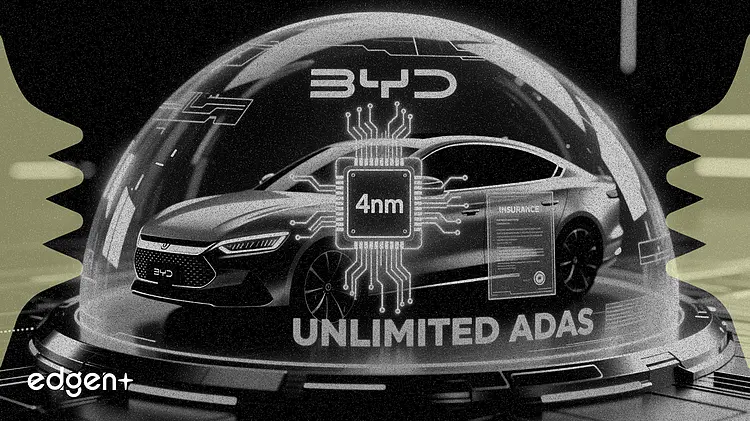
BYD'nin kendi geliştirdiği 4nm çip ve sınırsız ADAS sigortası, şirket sekiz aylık düşen satışlarla mücadele ederken akıllı sürüşü kitlesel pazar EV'lerine taşıyor.
"Xuanji A3, Çin'deki en üst düzey akıllı sürüş çiplerini temsil ediyor," dedi Başkan Wang Chuanfu Perşembe günü Shenzhen'deki bir etkinlikte. BYD'nin artık dünyada yardımlı sürüş tedarik zincirinin tam kontrolüne sahip tek otomobil üreticisi olduğunu ekleyen Wang, yarı iletkenlere 100 milyar yuanın (14,7 milyar $) üzerinde yatırım yapıldığını ve çip araştırma ve geliştirmesine adanmış 7.000'den fazla mühendisten oluşan bir ekibin bulunduğunu belirtti.
Xuanji A3, birim başına 700 TOPS işlem gücü sunuyor ve üç çipli bir küme 2.100 TOPS'a ulaşıyor - Wang'ın belirttiğine göre Seviye 3 ve Seviye 4 otonom sürüşü desteklemek için yeterli. Çip, BYD'ye göre benzer yarı iletkenlerden yaklaşık %20 daha az güç tüketiyor ve akıllı kokpiti, sürücü destek sistemini ve elektrikli tahriki tek bir dizüstü bilgisayar boyutundaki ünitede birleştiren yeni bir merkezi bilgi işlem platformuna güç sağlıyor. BYD, 2002 yılında yarı iletken bölümünü kurduğundan bu yana 2.000'den fazla çip tanıttı ve şu anda beş gofret üretim tesisine sahip. Çip seri üretime geçti.
Sigorta programı, God's Eye 5.0'ın kentsel navigasyon işlevini kullanırken meydana gelen kazalardan kaynaklanan doğrudan ekonomik kayıpları kapsıyor; buna onarım maliyetleri, üçüncü taraf mülk hasarı ve kişisel yaralanma sorumlulukları dahil. Tipik yardımlı sürüş sigortası ürünlerinin aksine, BYD'nin kapsamı ücretsizdir, herhangi bir tazminat sınırı yoktur ve kullanıcıların gelecekteki primlerini etkilemez. Şirket, geçen yıl benzer bir garanti getirdikten sonra akıllı park işlevinin kullanımının %21'den %93'e yükseldiğini ve kaza oranlarının sıfıra yakın kaldığını söyledi. BYD ayrıca God's Eye sistemini 69.800 yuan'dan (10.300 $) başlayan Seagull kompakt hatchback dahil tüm modellerde genişletiyor - bu, sınıfında LiDAR alan ilk araç. God's Eye B sistemi, Wang'ın sadece maliyet fiyatlandırması olarak tanımladığı 12.000 yuan (1.670 $) karşılığında bir seçenek olarak sunuluyor.
BYD neden zekaya bahis yapıyor?
Teknoloji hamlesi, BYD'nin finansal sonuçlarının yalnızca fiyat rekabetinin sınırlarını göstermesiyle geliyor. İlk çeyrek net karı, Çin'deki fiyat savaşı ve güçlü yuanın marjları sıkıştırmasıyla %55 düşüşle 4,09 milyar yuana (599 milyon $) geriledi. Gelir %12 düşüşle 150,2 milyar yuan oldu. Şirketin satışları sekiz aydır üst üste yıllık bazda düşüş gösterirken, Nisan ayı hacimleri bir önceki yıla göre yaklaşık %16 geriledi.
İhracat, Nisan ayında bir önceki yıla göre %70'ten fazla artarak 135.098 adetle rekor kırarak tek parlak nokta oldu. BYD, 2026'da 1,3 milyon ila 1,6 milyon uluslararası teslimatı hedefliyor.
BYD'nin yolda gelişmiş sürücü destek donanımına sahip 3,15 milyondan fazla aracı bulunuyor ve günlük olarak yaklaşık 200 milyon kilometrelik sürüş verisi üretiyor. Şirket, bu verileri bulut tabanlı dünya modelleri ve pekiştirmeli öğrenme yoluyla algoritmalarını eğitmek için kullanıyor ve yineleme döngüleri her üç günde bir çalışıyor.
Rekabet ortamı ve yatırımcı görünümü
Xuanji A3, halihazırda 7nm geometride otomotiv yarı iletkenleri üreten ve 2031 yılına kadar 1,4nm çipleri piyasaya sürmeyi taahhüt eden Huawei Technologies'in çiplerinin yeteneğine yaklaşıyor. Küresel olarak en gelişmiş çip, TSMC'nin 2nm N2 düğümü. BYD'nin kendi 4nm sürüş çipini tasarlama ve seri üretme yeteneği, halihazırda pilleri, motorları ve araç üretimini kapsayan - başka hiçbir küresel otomobil üreticisinin kopyalamadığı bir yapı - dikey entegrasyon stratejisini derinleştiriyor.
Tesla, yıllarca süren gecikmelerin ardından bu yıl Çin'de Tam Kendi Kendine Sürüş sistemini piyasaya sürdü, ancak teknoloji hala aktif insan müdahalesi gerektiriyor ve LiDAR olmadan yalnızca görüş tabanlı bir yaklaşım kullanıyor. XPeng ve NIO dahil Çinli rakipler de kentsel navigasyon sistemleri sunuyor, ancak hiçbiri BYD'nin sigorta destekli sorumluluk garantisi veya kendi çip üretimiyle eşleşemedi.
CLSA, BYD üzerindeki Yüksek Güvenli Outperform notunu HKD130 hedef fiyatla korudu ve yeni akıllı sürüş çözümünün BYD'nin lider teknolojik yeteneklerini vurguladığını ve 2026'nın ikinci yarısında satış toparlanmasına yardımcı olacağını söyledi. BYD hisseleri Cuma günü Hong Kong'da %2,3 yükseldi.
Strateji risk taşıyor. BYD geçen yıl God's Eye'ı milyonlarca araca dağıttı ve medya raporlarına göre kullanıcılar istenmeyen hızlanma ve düzensiz şerit değiştirme dahil arızalar bildirdi. Şirketin sınırsız sigorta taahhüdü, sisteminin artık sigortalamak için yeterince güvenilir olduğuna dair doğrudan bir bahis. Doğrulanırsa, yerli silikon, kitlesel pazar LiDAR dağıtımı ve sorumluluk kapsamının birleşimi, Çin'in EV pazarındaki rekabet alanını fiyattan zekaya kaydırabilir - bu da veri ölçeğine sahip dikey olarak entegre üreticileri avantajlı kılacak bir geçiş.
Bu makale yalnızca bilgilendirme amaçlıdır ve yatırım tavsiyesi niteliği taşımaz.
