
Key Takeaways: Cardano has six days to close two voting gaps or its Constitutional Committee drops from seven seats to three, jamming governance-dependent upgrades.
Key Takeaways: Cardano has six days to close two voting gaps or its Constitutional Committee drops from seven seats to three, jamming governance-dependent upgrades.
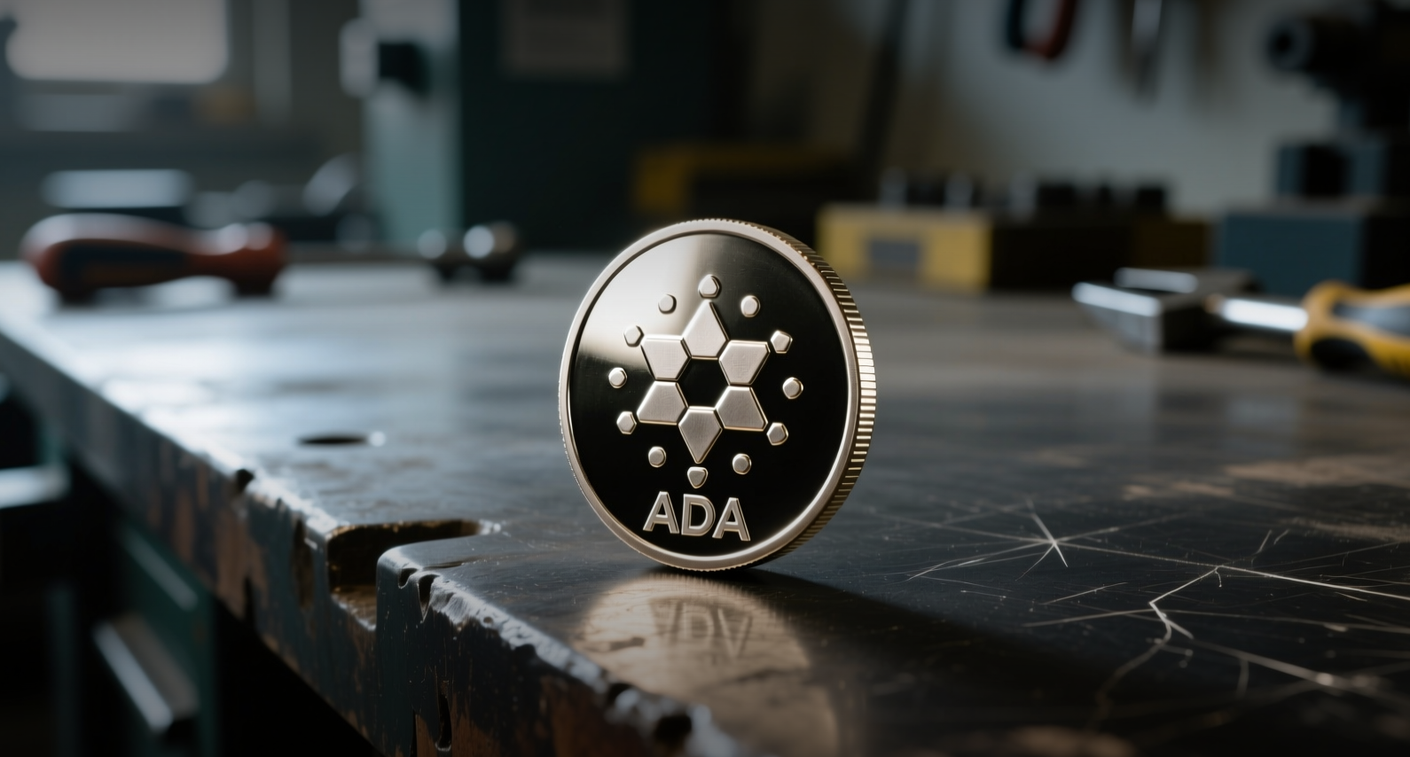
Cardano faces a governance bottleneck by Sept. 1 as DRep support sits at 41.7% against a 67% threshold and SPO backing at 12.0% versus 51%.
Intersect, the membership organization coordinating Cardano's governance election, identified the Sept. 1 expiry as epoch 653 in its weekly update published Aug. 21. The vote would seat four elected Constitutional Committee members before four incumbents leave.
The gaps remain substantial: 25.3 percentage points for DReps and 39.0 points for SPOs, per a CardanoScan live reading on Aug. 25. Support has risen from earlier snapshots — 33.8% DRep and 2% SPO on Aug. 17, then 37.9% and 7.93% by Aug. 21 per Intersect — but the short deadline leaves passage uncertain.
If the vote times out, the committee drops to three active members, two below the five-seat floor under CIP-1694. An undersized committee cannot ratify governance actions requiring its approval, which Intersect says could slow the planned Dijkstra hard fork. ADA traded at $0.211, down 6.39% in 24 hours, as of Aug. 25.
Under CIP-1694, an undersized committee cannot ratify governance actions that require its approval. Cardano's operating network remains separate from this constraint: blocks would continue to be produced and transactions would continue to be processed. Paths to restore governance remain — Intersect has said Info Actions and Update Committee actions stay available in an undersized-committee state, allowing a new committee update to refill seats. CIP-1694's ratification table exempts motions of no confidence from committee approval.
The four names selected for renewal through an off-chain election run by Intersect and independently audited are Philip DiSarro, Leandros BSP, Marek Mahut, and Cardano Curia. Whether on-chain voting closes the gap before the deadline remains an open question.
The committee deadline runs parallel to a separate governance development. The Cardano Foundation backed AlphaGrowth's PRIME proposal, clearing a 120 million ADA treasury withdrawal aimed at rebuilding DeFi liquidity. Cardano currently holds roughly $90 million in DeFi total value locked and about $45 million in stablecoins, figures cited during the governance debate. Most approved funds stay locked behind a Phase 3 gate until audits clear, limiting near-term treasury exposure.
Cardano is also moving into its Dijkstra development phase, a newly approved roadmap stage that lets the network fund core development directly from its community treasury. That shift ties back to the governance system, since treasury spending now runs through the same DRep and CAP voting process as PRIME. The transition coincides with a leadership change: Cardano Foundation CTO Giorgio Zinetti confirmed he will leave the role at the end of August 2026.
For ADA holders, the Sept. 1 committee deadline and the CAP-3 treasury discussion are the two governance events most likely to move sentiment in the near term. ADA gained more than 13% over the past 30 days, per CoinMarketCap data, while market reaction to the committee deadline stayed muted through late August. Anyone holding or delegating ADA can track both votes directly through Cardano's public governance portal, where every DRep vote, CAP proposal, and Constitutional Committee action is logged in real time.
This article is for informational purposes only and does not constitute investment advice.
