
Ottawa's leader has signaled openness to a Canada-US accord, tying any agreement to safeguards for the country's automotive and steel producers, though concrete tariff terms remain undisclosed.
Ottawa's leader has signaled openness to a Canada-US accord, tying any agreement to safeguards for the country's automotive and steel producers, though concrete tariff terms remain undisclosed.
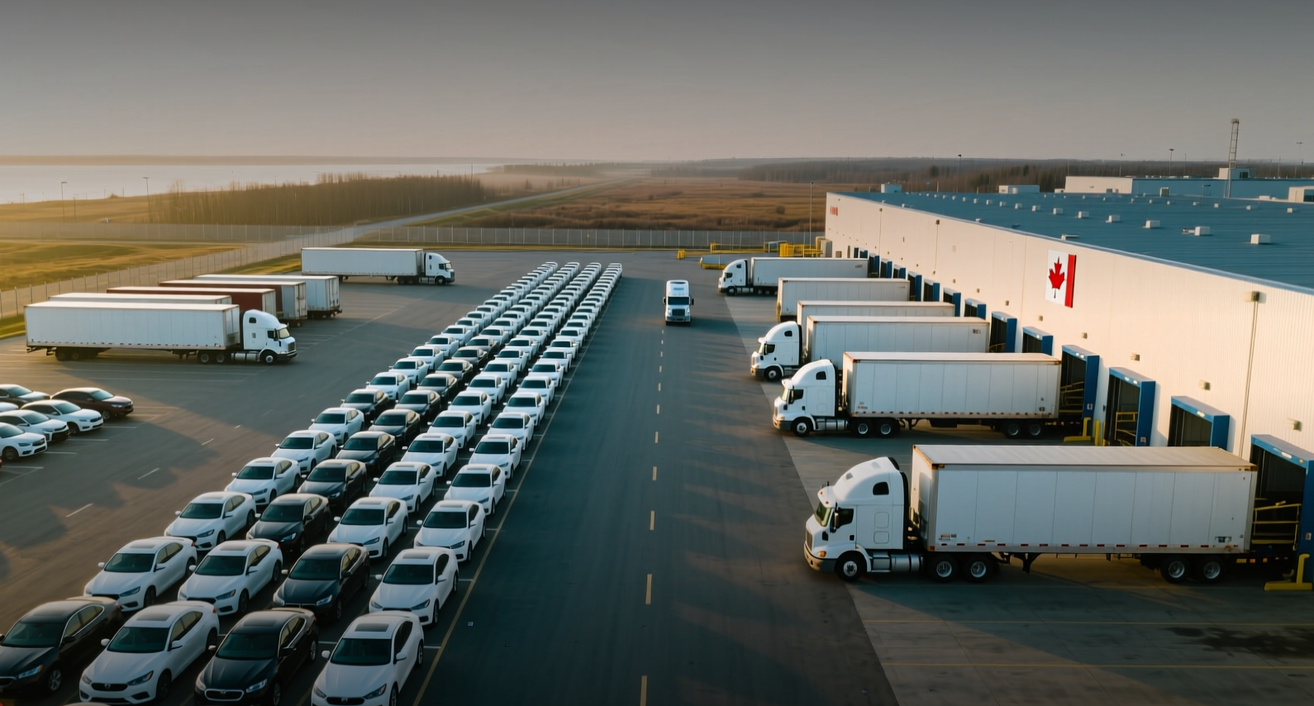
Ottawa has left the door open to a negotiated settlement with Washington. Prime Minister Mark Carney said a trade agreement with the United States "may" be possible, while insisting any deal must preserve the competitiveness of Canada's auto and steel industries — the two sectors most exposed to cross-border supply chains. The remarks, reported by state media, mark the first time the Canadian leader has publicly signaled flexibility since the US escalated its tariff campaign against its northern neighbor.
"Any potential Canada-US trade agreement must maintain the competitiveness of Canada's automotive and steel sectors," Carney said, according to the report. The prime minister, who took office after a snap election campaign built around confronting US tariffs, offered no timeline or specific terms, and officials have not yet disclosed which tariff rates or product categories would fall under negotiation.
The stakes are concentrated in two industries whose output is deeply integrated with US assembly lines. Canadian auto plants ship a large share of their vehicles across the border under the US-Mexico-Canada Agreement, the successor to Nafta that governs rules of origin for the region's vehicle trade. Steel mills in Ontario and Quebec likewise feed US manufacturers, making both sectors unusually sensitive to any change in cross-border duties or content requirements.
What remains unresolved is the arithmetic. Carney did not specify the tariff levels Ottawa would accept, the dollar value of trade at risk, or an effective date for any agreement, and those figures are not yet disclosed. The absence of detail leaves markets to price a wide range of outcomes, from a swift rollback of duties that would lift Canadian industrial exporters to a prolonged standoff that keeps the two sectors under pressure.
The historical precedent cuts both ways. Under the original USMCA negotiations, Canada secured continued tariff-free access for its auto sector by agreeing to stricter regional content rules, a compromise that preserved production but raised compliance costs for manufacturers. A repeat of that dynamic would suggest Ottawa can win relief only by conceding on rules of origin or labor-content thresholds, a trade-off Carney's competitiveness language appears designed to resist.
For investors, the signal is directional rather than precise. A favorable resolution would ease the tariff overhang that has weighed on Canadian automotive and steel producers, whose fortunes track US demand and border policy. Unfavorable terms, by contrast, would squeeze margins at plants that already operate on thin spreads against US and Mexican rivals. Until Ottawa publishes concrete numbers, the market's best read is that Carney has opened a negotiation — not that he has settled one.
This article is for informational purposes only and does not constitute investment advice.
