
Key Takeaways: Cash-out refinancings are up 13 percent year-over-year and projected to exceed 40 percent of all mortgage refinancings in 2026 as homeowners convert record home equity into cash.
Key Takeaways: Cash-out refinancings are up 13 percent year-over-year and projected to exceed 40 percent of all mortgage refinancings in 2026 as homeowners convert record home equity into cash.
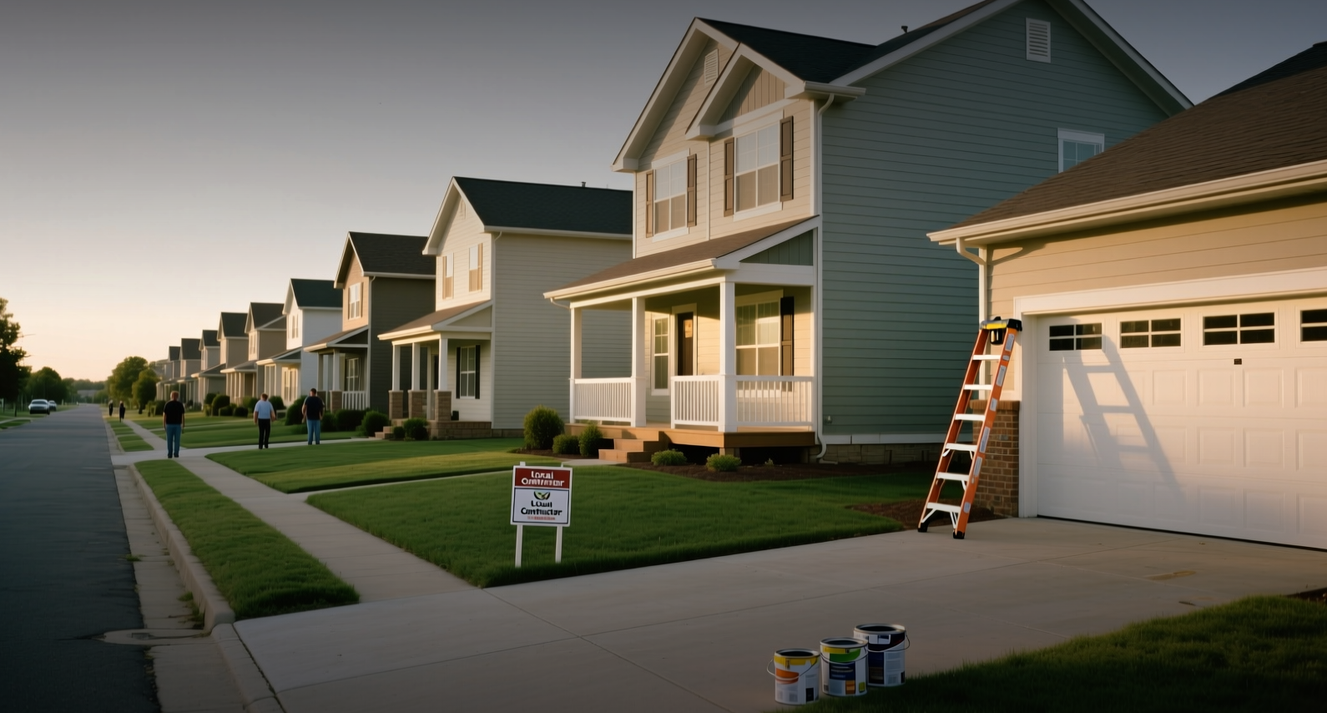
U.S. homeowners with nearly $300,000 in average equity are tapping that wealth through cash-out refinancing, volumes up 13 percent year-over-year and set to exceed 40 percent of all mortgage refinancings in 2026, according to the Federal Housing Finance Agency.
"For consumers who need a large sum of money to consolidate debt, pay for college, do renovations to improve their home's value, or launch a business, borrowing against their home at the current cash-out refinance rates is a much cheaper option than personal loans and credit cards," said Bill Banfield, chief business officer at Rocket Mortgage.
The average 30-year fixed cash-out refinance rate was 6.91 percent on Aug. 3, with 15-year fixed at 6.27 percent, compared with an average personal loan rate of 12.41 percent, Bankrate data shows. To qualify, homeowners typically need at least 20 percent equity, six months of ownership, and a credit score of 620 or higher. Loans are capped at 80 percent of a home's appraised value, and closing costs run 2 to 6 percent of the total loan amount.
For a homeowner with a $600,000 house and a $300,000 mortgage balance, that means up to $180,000 in cash at closing — but the trade-off is a larger secured debt obligation that puts the home at risk of foreclosure if payments are missed. With debt-to-income ratios capped at 45 percent, borrowers must weigh whether the cash infusion justifies resetting their mortgage term and rate.
In a cash-out refinance, an existing mortgage is replaced with a larger loan at a new interest rate, often extending the repayment term by several years. The new loan pays off the existing balance, and the homeowner receives the difference as a lump sum at closing. The loan amount is typically limited to 80 percent of the home's appraised value, meaning the homeowner must leave at least 20 percent of the home's value untouched.
For a $600,000 home with a $300,000 remaining balance, the homeowner would need to keep $120,000 of equity intact but could take out a maximum of $480,000 — 80 percent of $600,000 — minus the $300,000 payoff, leaving $180,000 in cash before closing costs. These products are commonly fixed-rate loans with 15- and 30-year terms, though lenders also offer adjustable-rate and hybrid cash-out refinancings with an initial fixed-rate period of five to seven years.
"The rate you get will depend on your credit rating, the amount of equity you own, and the type of home you are refinancing," said Keith Kampe, home lending manager at Flagstar Bank. "Generally, you get better terms if you are refinancing your primary residence, own a lot of home equity and have a high credit rating."
The biggest risk is taking on too much debt and defaulting. "A cash-out refinance is a secured loan that uses your home as collateral. That means if you default on the loan, the lender can foreclose on the property," said Erik Schmitt, managing director and head of consumer home lending at JPMorgan Chase.
As a rule of thumb, debt-to-income ratio should stay at 45 percent or less, Kampe said. For a borrower earning $85,000 annually, that caps total monthly debt at $3,187.50. Closing costs range from 2 to 6 percent of the loan amount depending on state and local transfer taxes, title search and insurance, escrow reserves, and legal fees, according to Bankrate. These can be deducted from the loan amount at closing or rolled into the loan.
The process can take as little as seven days or as long as 45 days depending on the lender and documentation speed, Schmitt said. Interest on the cash-out portion may be tax-deductible if the funds are used to buy, build, or improve a primary or second home.
For homeowners who want to preserve their existing low mortgage rate, a home-equity line of credit offers an alternative — a revolving line of credit with a set limit that can be drawn as needed, though generally at higher variable rates tied to the prime rate.
Rates and terms cited here reflect data available as of Aug. 3 and may have changed; borrowers should verify current figures against the latest official lender and regulatory announcements.
This content is for informational reference only and does not constitute professional advice.
