
Chevron is close to finalizing a deal to add two heavy-oil fields in Venezuela, with Halliburton in parallel talks, as U.S. energy firms cautiously re-enter the world's largest oil reserves holder.
Chevron is close to finalizing a deal to add two heavy-oil fields in Venezuela, with Halliburton in parallel talks, as U.S. energy firms cautiously re-enter the world's largest oil reserves holder.
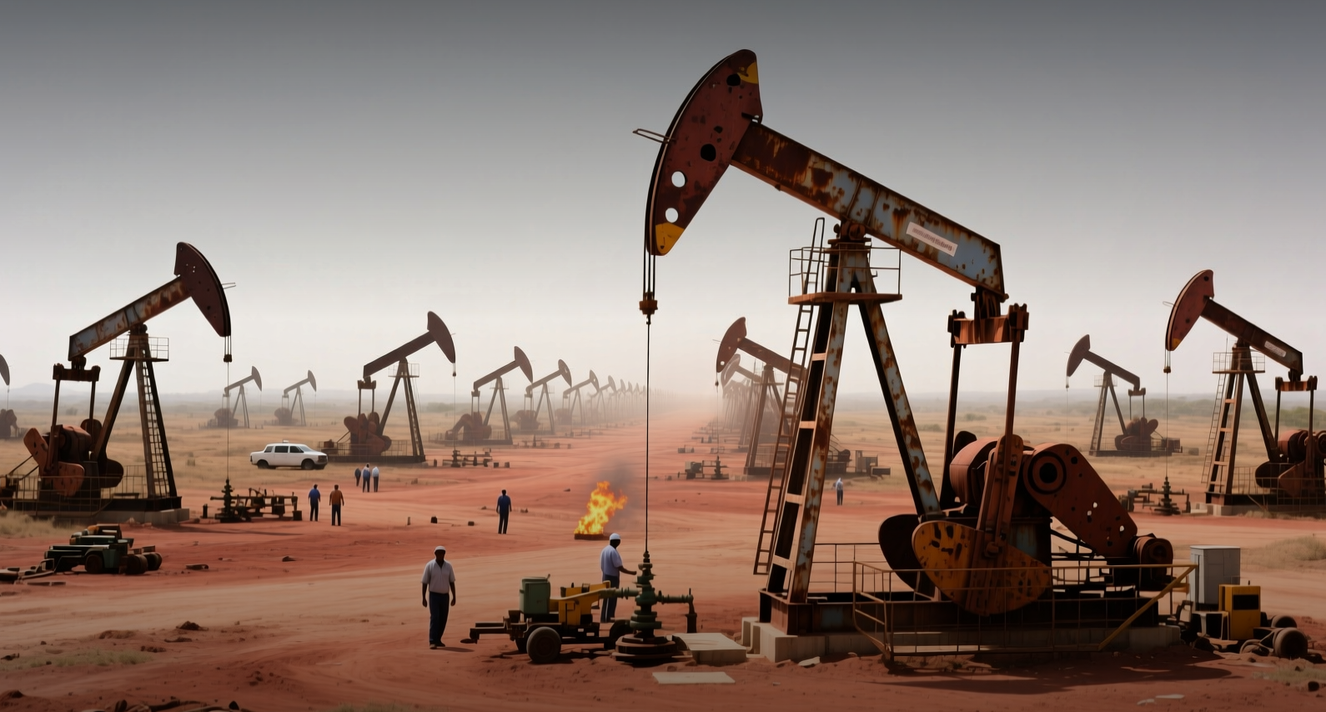
Chevron is close to finalizing a deal to add two heavy-oil fields in Venezuela, with Halliburton in parallel talks, as U.S. energy firms cautiously re-enter the world's largest oil reserves holder.
Chevron is close to a deal to add two heavy-oil fields to its Venezuelan portfolio, with Halliburton also in negotiations, as U.S. firms test the waters eight months after Nicolas Maduro's removal from power.
"We're proud to play a constructive role in revitalizing and growing the country's oil and gas production," Hunter Hunt, CEO of Hunt Oil Company, said after his firm signed one of the first American agreements with PDVSA.
Chevron, the only U.S. major still operating in Venezuela when Maduro was ousted, raised daily crude output to 280,000 barrels in July and plans a 50 percent increase by the end of 2028. The broader U.S. proposal under discussion covers more than a dozen productive fields holding 90 billion barrels of proven reserves — about a third of Venezuela's total 300 billion barrels. ExxonMobil and ConocoPhillips have yet to return, with negotiations reportedly stalling over fiscal terms for Orinoco Belt acreage.
The stakes extend beyond corporate balance sheets. The U.S. Strategic Petroleum Reserve sits at a 40-year low, and the Trump administration has floated taking an ownership stake in Venezuelan fields to bolster domestic energy security. But decades of underinvestment have left infrastructure in disrepair, and the historical risk of asset expropriation keeps major firms from committing without enforceable legal guarantees.
SLB and Hunt Oil signed agreements earlier this month as part of efforts to boost investment in Venezuela's energy sector, according to Oil Minister Paula Henao. California-based Pacific Coast Energy, backed by European investors, is finalizing its own agreement with PDVSA to develop and operate oil fields under Acting President Delcy Rodríguez's administration.
The negotiations have not been smooth. U.S. firms are seeking the most lucrative fiscal terms for prized acreage in the Orinoco Belt, while PDVSA cannot guarantee political and fiscal stability going forward, according to the Wall Street Journal.
The operational hurdles are substantial. Decades of underinvestment have left much of Venezuela's energy infrastructure in a state of disrepair, requiring massive capital outlays for equipment repairs and facility upgrades before meaningful production can be restored. The country's history of asset seizures — where foreign-owned property was taken over by the government — remains a primary concern for investors.
The last major wave of expropriation came under Maduro's predecessor, Hugo Chávez, who nationalized oil assets in the late 2000s, forcing companies like ExxonMobil and ConocoPhillips to write off billions in Venezuelan holdings. That precedent weighs heavily on boardroom decisions today, even as the political landscape has shifted.
The ultimate success of this strategy depends on the stability of Venezuela's political transition and whether the government can provide security for American private capital. If Chevron and Halliburton finalize their deals, it could signal a broader thaw in U.S.-Venezuela energy relations and potentially ease sanctions further. If negotiations collapse, smaller players like Hunt Oil and Pacific Coast Energy may carry the early investment wave alone.
For the oil market, the implications are significant. Venezuela's return to meaningful production levels could add hundreds of thousands of barrels per day to global supply, potentially pressuring crude prices at a time when OPEC+ is managing output cuts. Chevron's planned 50 percent output increase alone would add roughly 140,000 barrels per day by the end of 2028.
This article is for informational purposes only and does not constitute investment advice.
