


Key Takeaways: Chevron's natural gas supply deal with Microsoft marks a shift in how the world's largest technology companies will power the AI buildout.
Key Takeaways: Chevron's natural gas supply deal with Microsoft marks a shift in how the world's largest technology companies will power the AI buildout.
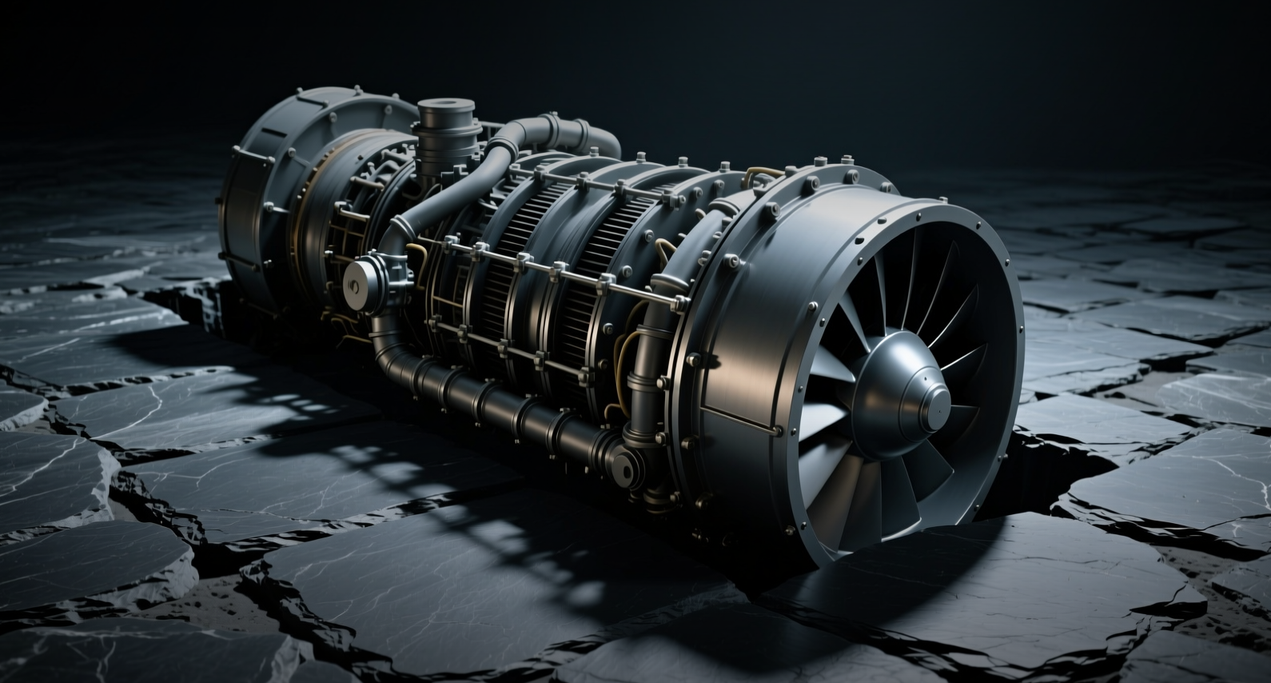
Chevron is moving beyond traditional oil and gas supply, partnering with GE Vernova to provide natural gas for a Microsoft AI data center in West Texas under a 20-year agreement that bypasses conventional utility grids. GE Vernova will supply the natural gas turbines while Chevron provides the fuel, creating a self-contained power solution for one of Microsoft's most energy-intensive facilities.
"The offers that you get for using the compute are so high that it may make sense, in some cases, to rent out or consider those kind of deals instead of your own internal uses," Meta Chief Executive Officer Mark Zuckerberg told Bloomberg News, reflecting the broader industry shift toward self-supplied power.
U.S. data center electricity consumption is projected to double between 2025 and 2027, according to Goldman Sachs research. Behind-the-meter power generation capacity is expected to roughly triple by 2030 to 49 gigawatts, RAND estimates show. AI-linked demand for natural gas could more than quintuple between 2024 and 2035, according to a PwC outlook. WTI crude traded near $76 a barrel last week as energy stocks rallied on renewed Middle East tensions, reflecting the broader supply dynamics shaping the sector.
For Chevron, the agreement opens a new revenue stream that uses existing gas infrastructure without requiring costly new construction. For the AI industry, it shows that the nation's power grids and utilities cannot keep pace with the energy demands of data centers, pushing the world's largest technology companies to build their own power solutions.
Behind the Meter: A $49 GW Opportunity
The deal structure represents a fundamental shift in how large energy consumers procure power. Rather than waiting for utilities to expand grid capacity — a process that can take years and requires regulatory approval — technology companies are contracting directly with fuel suppliers and turbine manufacturers. Chevron's existing natural gas collection and pipeline network in West Texas allows it to serve this market without the capital expenditure typically required for new energy infrastructure.
The opportunity extends beyond Chevron. Research outfit RAND expects the nation's behind-the-meter power generation capacity to roughly triple between now and 2030, reaching 49 gigawatts. Natural gas turbines are expected to be the single largest source of this capacity expansion, benefiting companies with existing infrastructure that can be deployed quickly.
The Emissions Trade-Off
The environmental cost of this approach is significant. Permits for the Chevron-powered Microsoft data center in West Texas show the facility could emit more than 11.5 million tons of CO2 equivalent annually — an amount greater than the entire state of Rhode Island's annual emissions. Microsoft's greenhouse gas pollution increased roughly 25 percent last year, driven primarily by data center expansion, according to the company's latest sustainability report.
Microsoft said it matched 100 percent of its electricity consumption with carbon-free sources in the reporting period and still plans to become carbon negative by 2030. The company has also stopped purchasing unbundled renewable energy certificates, a move that contributed to the rise in its Scope 2 emissions but that researchers described as commendable for prioritizing investments in new clean electricity.
States with stronger climate policies are pushing back. New York legislation would require data centers over a certain size to meet renewable energy benchmarks starting in 2030 and get at least 90 percent of their energy from renewable sources by 2040. Michigan, Oregon and Minnesota have enacted laws designed to protect their existing requirements that electric utilities use only emissions-free energy sources by 2040.
This article is for informational purposes only and does not constitute investment advice.
