
Key Takeaways:
- China's July CPI rose 0.5% year-on-year, cooling from 1.0% in June
- Pork prices fell 13.3%, dragging the food basket down 1.5%
- PPI climbed 3.5% year-on-year, widening the CPI-PPI gap to 3 points
Key Takeaways:
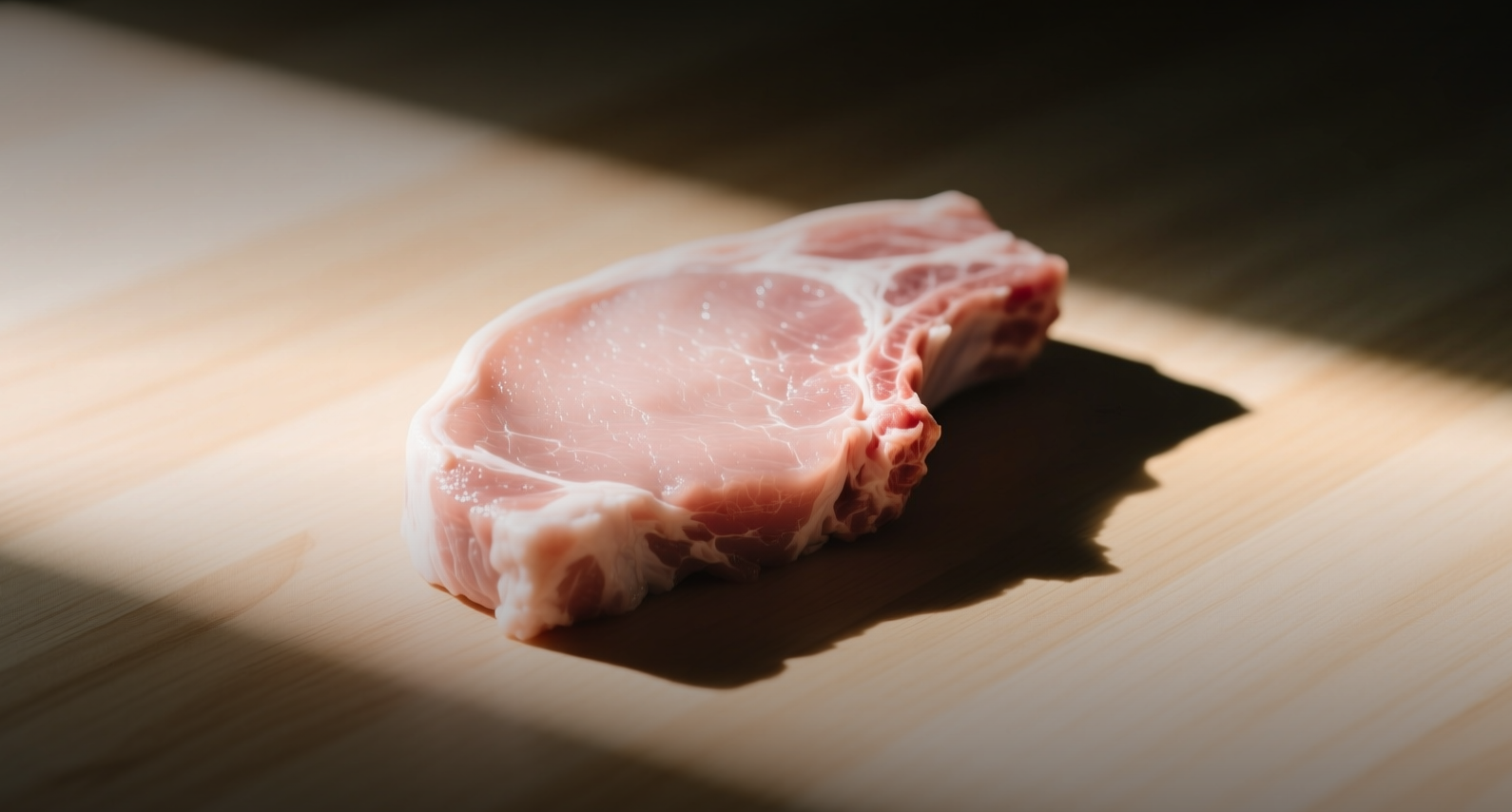
China's consumer inflation slowed to 0.5 percent year-on-year in July from 1.0 percent in June, as pork prices tumbled 13.3 percent and food costs fell 1.5 percent, data from the National Bureau of Statistics showed Sunday.
The reading, released alongside a producer price index that rose 3.5 percent year-on-year, points to softening domestic demand even as factory-gate costs stay elevated. Consumer prices fell 0.1 percent month-on-month, while the January-to-July average CPI gained 0.9 percent from a year earlier.
"The cooling in headline CPI reflects weak food-price momentum, with pork the biggest drag, while the services component held up at 0.7 percent," said Kevin Ip, a China macro analyst at Edgen. "The divergence between soft consumer prices and firm producer prices is the key tension policymakers are watching."
Pork drags food basket lower
Food prices declined 1.5 percent year-on-year, shaving about 0.22 percentage point off the headline index. Pork fell 13.3 percent, meat dropped 6.0 percent, dairy slipped 1.5 percent and fresh fruit declined 1.1 percent, while egg prices jumped 14.4 percent. Among the other seven CPI categories, six rose — other goods and services gained 5.8 percent, healthcare 2.9 percent, clothing 1.4 percent, education and culture 1.3 percent, household goods 0.8 percent and transport and communications 0.4 percent — while housing fell 0.3 percent.
On a monthly basis, food prices were flat, with pork up 4.1 percent and fresh vegetables up 1.3 percent, offset by a 3.8 percent drop in fresh fruit. Transport and communications fell 2.2 percent month-on-month.
Producer prices stay firm on energy and metals
The producer price index rose 3.5 percent year-on-year in July but fell 0.7 percent month-on-month, while producer purchase prices climbed 5.5 percent year-on-year. Production materials gained 4.8 percent year-on-year, led by mining prices up 16.4 percent and raw materials up 6.1 percent, while consumer goods fell 0.8 percent. Among purchase prices, nonferrous metals and wire rose 19.0 percent, fuel and power gained 9.3 percent and chemical raw materials rose 9.3 percent, while building materials fell 4.1 percent.
The widening gap between the 0.5 percent CPI and the 3.5 percent PPI — a spread of 3 percentage points — signals margin pressure for downstream manufacturers that face higher input costs they cannot pass through to consumers. The last time the CPI-PPI gap exceeded 3 points was in early 2025, when producer inflation ran ahead of consumer prices for several consecutive months.
What it means for policy
The soft consumer inflation reading gives the People's Bank of China room to keep monetary policy accommodative, with the 1-year medium-term lending facility rate and loan prime rates likely to stay on hold at their current levels through the third quarter. Markets will watch the next batch of activity data, including July retail sales and industrial output due in the coming days, for confirmation of whether the demand softness is broadening.
For global investors, the takeaway is twofold: cooling CPI reduces the risk of aggressive tightening that would pressure the yuan, but the persistent PPI-CPI divergence points to a two-speed economy where factory profitability outpaces household consumption. If the trend persists into August, expectations for a modest reserve requirement ratio cut before year-end could firm, a move that would support A-shares and the CSI 300 while keeping USD/CNH range-bound near current levels.
This article is for informational purposes only and does not constitute investment advice.
