
Key Takeaways:
- China blocked Taiwan's president from African airspace in May 2026
- Kenya revoked visas for Taiwan's delegation to a June conservation summit
- Papua New Guinea closed Taiwan's representative office in July 2026
Key Takeaways:
Beijing is applying diplomatic pressure on Taiwan across at least a dozen countries, targeting everything from presidential airspace to children's choir performances.
China's campaign to isolate Taiwan internationally has escalated sharply in 2026, with Beijing deploying economic and diplomatic leverage to squeeze the democratic island's global footprint. In the past three months alone, Chinese officials have pressured African nations to block Taiwanese President Lai Ching-te's airspace, revoked visas for a Taiwanese delegation to a conservation summit in Kenya, and forced the closure of Taiwan's representative office in Papua New Guinea.
"The CCP regards anything short of enthusiastic promotion of its control over Taiwan as separatist," said Chong Ja Ian, an associate professor of political science at the National University of Singapore. "Beijing's position has shifted to become less tolerant of the status quo."
The pressure extends well beyond high-level diplomacy. In August, organizers of a global choral music symposium in Macau blocked the National Taiwan Hakka Children's Choir from performing under its name, objecting to any suggestion that Taiwan is a separate nation. The World Latte Art Championship in San Diego similarly redesignated its Taiwanese winner's home affiliation from "Taiwan" to "Chinese Taipei," adopting Beijing's preferred nomenclature. Taiwan's Ministry of Foreign Affairs condemned the episodes as "gangster-like bullying."
Taiwan today is officially recognized by only 12 countries — mostly in Latin America, along with a few small island nations in the South Pacific, the Vatican and Eswatini. That is down from more than 70 nations that maintained diplomatic ties with Taipei in the 1980s, before China's economic rise gave it the leverage to demand allies choose sides. The last time Beijing escalated its isolation campaign this aggressively was in 2022, following then-U.S. House Speaker Nancy Pelosi's visit to Taipei, when China conducted its largest-ever military exercises around the island and imposed new trade restrictions on Taiwanese goods.
The breadth of Beijing's campaign was on full display in May, when President Lai attempted his first foreign trip in more than a year, traveling to Eswatini — one of Taiwan's few remaining diplomatic allies. Three African nations — Madagascar, Mauritius and the Seychelles — rescinded overflight permits they had previously approved for Lai's chartered plane, forcing a clandestine reroute. Lai's office accused China of using economic coercion to deny airspace access.
That same month, Taiwan was shut out of the World Health Assembly in Geneva for a 10th consecutive year. In June, Nairobi revoked entry visas for a Taiwanese delegation planning to attend the Our Ocean Conference, a U.S.-initiated conservation summit. Members of the delegation who reached the venue were denied entry and sent back to Taiwan. In July, Papua New Guinea closed Taiwan's representative office, drawing public applause from Beijing.
"No forum is too small, technical or peripheral for careerist Chinese diplomats seeking recognition for defending Beijing's position," said Jacob Stokes, a senior fellow at the Center for a New American Security in Washington. "China threatens or uses all tools short of military force as part of that campaign."
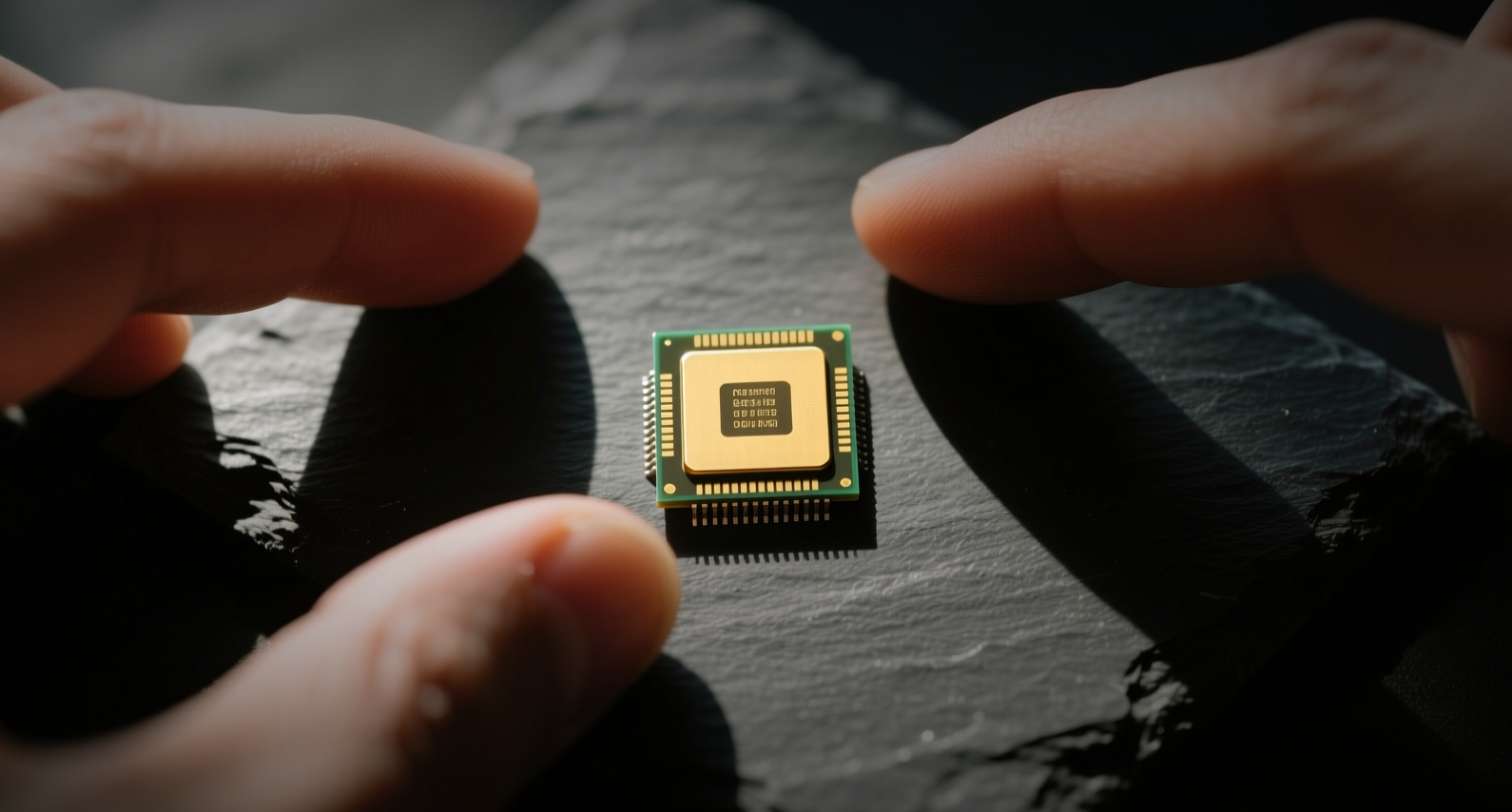
The stakes extend far beyond diplomatic symbolism. Taiwan produces more than 60 percent of the world's semiconductors and over 90 percent of the most advanced microchips, making it the nerve center of the global digital economy. A conflict in the Taiwan Strait could disrupt supply chains for everything from smartphones to military hardware, with the World Semiconductor Trade Statistics organization estimating the chip industry's annual revenue at more than $600 billion.
The U.S. does not formally recognize Taiwan but remains its largest backer, selling it billions of dollars in weapons under the 1979 Taiwan Relations Act. A joint letter from the U.S. departments of State, Agriculture and Commerce last month claimed Chinese diplomats regularly pressure local governments and private businesses to discourage engagement with Taiwan. For both Taipei and Beijing, the fight over the island's international space is, as Chong put it, "a zero-sum game where neither side feels it can concede."
This article is for informational purposes only and does not constitute investment advice.
