
Key Takeaways:
- China has produced over 400 humanoid robot models, exceeding half the global total
- Chinese quadruped robots captured nearly 70 percent of worldwide sales
- Ubtech's companion robots start at $17,655, with 13,000 orders on launch day
Key Takeaways:
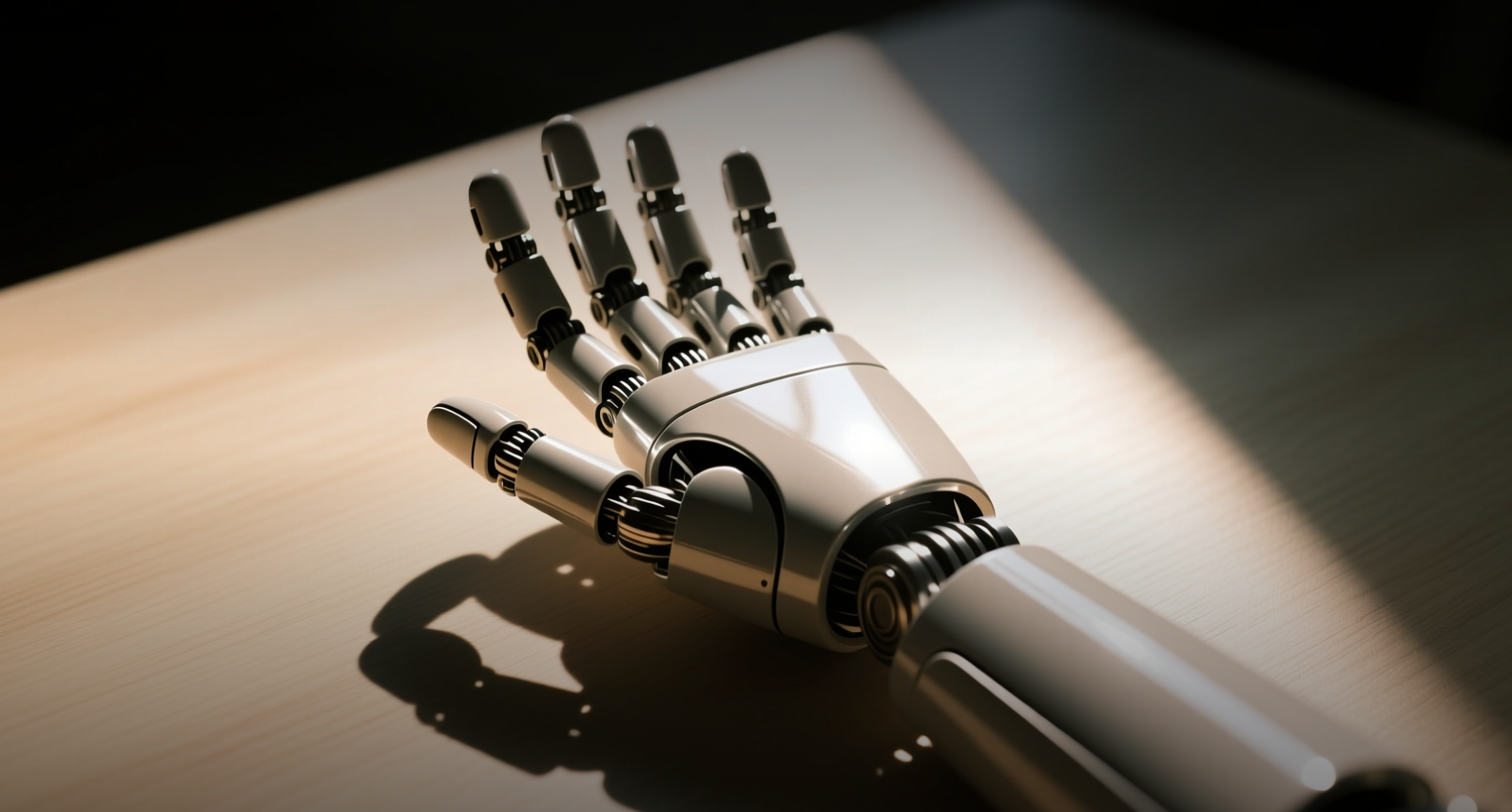
China has become the dominant force in humanoid robotics, with domestic manufacturers producing more finished robot models than the rest of the world combined.
China's Ministry of Industry and Information Technology reported on July 20 that the country's humanoid robot finished products have exceeded 400 models, accounting for more than half of the global total. The data, released as part of the ministry's semi-annual industrial update, also showed that Chinese-made quadruped robots captured nearly 70 percent of worldwide sales.
"China's robotics ecosystem has reached a critical mass where domestic supply chains, government support, and engineering talent are producing an unmatched variety of form factors," said Wang Peng, an analyst at the Beijing Institute of Technology's Robotics Research Center. "The breadth of models reflects both industrial demand and a rapidly growing consumer companion market."
The MIIT report highlighted humanoid and quadruped robots as part of a broader expansion in China's high-tech manufacturing sector. Artificial intelligence, semiconductors, new energy, and biotechnology have also generated a wave of global unicorn companies, the ministry said, without naming specific firms.
Companion robots test consumer appetite
While most humanoid robots have been designed for factory and warehouse work, Chinese companies are pushing into the consumer market. Ubtech Robotics Corp. launched its Uworld U1 series of companion humanoids earlier this year, with prices ranging from 119,800 yuan ($17,655) to 990,000 yuan ($145,717) depending on the model.
The U1 robots feature 88 servo joints, can display 300 micro-expressions, and are covered with silicone skin designed to mimic human texture. The male version stands 183 centimeters and weighs 42 kilograms, while the female version is 163 centimeters and 35 kilograms. Battery life is limited to two to four hours per charge.
Ubtech claimed it received more than 13,000 orders on launch day, though the company acknowledged that many came from demonstration halls and government procurement programs rather than individual consumers. The robots' speech recognition and emotional response systems still show noticeable latency, with response times stretching to tens of seconds in some demonstrations.
Competitive pressure on global players
China's rapid expansion in humanoid robotics puts pressure on international competitors including Tesla Inc., which is developing its Optimus humanoid, and Boston Dynamics, owned by Hyundai Motor Group. Tesla has not disclosed production volumes for Optimus, while Boston Dynamics has focused on industrial and research applications rather than mass-market consumer sales.
The sheer number of Chinese models — spanning industrial, service, and companion categories — suggests a manufacturing ecosystem capable of iterating faster and at lower cost than Western rivals. Chinese robotics companies benefit from government subsidies, a dense network of component suppliers, and a domestic market that is both large and willing to adopt new hardware.
What this means for investors
The robotics boom creates opportunities across the supply chain. Companies producing servo motors, sensors, batteries, and AI chips for humanoid robots stand to benefit as production scales. Chinese semiconductor firms that design edge AI processors for real-time motion control and speech recognition are particularly well positioned.
Global investors tracking the robotics theme should watch for production volume data from Chinese manufacturers, which will determine whether the 400-plus model count translates into meaningful revenue. The gap between prototype volume and commercial scale remains wide — most Chinese humanoid robot companies have not disclosed production run rates or unit economics.
For Tesla, the competitive threat is real but distant. Optimus is designed for manufacturing tasks first, with consumer applications years away. Still, China's ability to flood the market with low-cost companion robots could shape consumer expectations and regulatory frameworks before Western competitors enter the segment.
This article is for informational purposes only and does not constitute investment advice.
