
Le premier règlement administratif de la Chine sur les investissements sortants ajoute des examens de sécurité nationale qui pourraient remodeler les flux de capitaux vers Hong Kong et Macao.
Le premier règlement administratif de la Chine sur les investissements sortants ajoute des examens de sécurité nationale qui pourraient remodeler les flux de capitaux vers Hong Kong et Macao.
Le premier règlement administratif de la Chine sur les investissements sortants ajoute des examens de sécurité nationale qui pourraient remodeler les flux de capitaux vers Hong Kong et Macao.
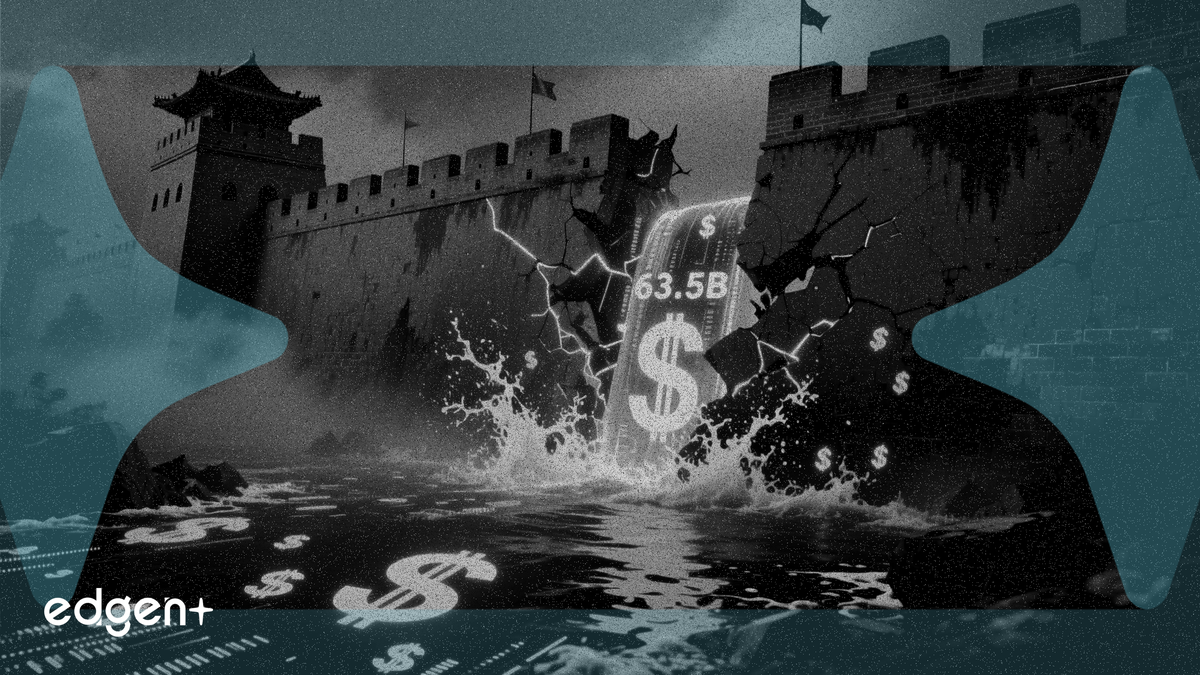
Le Conseil d'État chinois a publié son premier règlement administratif sur les investissements sortants, ajoutant des examens de sécurité nationale et des outils de contre-mesures qui pourraient ralentir les 63,5 milliards de dollars de flux de capitaux trimestriels vers Hong Kong et Macao.
"L'impact potentiel sur les flux de capitaux dépendra des détails de mise en œuvre et de l'intensité de l'application", ont écrit les analystes d'UBS dans un rapport de recherche, notant que l'indice MSCI Hong Kong fait face à des pressions compte tenu de sa composition de secteurs sensibles aux flux de capitaux.
Les acheteurs continentaux ont représenté 49 % de la valeur des transactions du marché primaire dans l'immobilier résidentiel de Hong Kong au cours du premier trimestre, tandis que les visiteurs continentaux ont contribué à environ 50 % de la valeur des nouvelles affaires d'AIA. Les banques de Hong Kong détiennent environ 40 % de l'exposition continentale non bancaire, et le segment des jeux haut de gamme de Macao — incluant les salons VIP et le premium mass — génère environ 60 % du produit brut des jeux. Pour Futu Holdings, les clients continentaux représentaient 13 % du total des comptes financés, 17 % des actifs sous gestion et 20 % des revenus au premier trimestre.
Le règlement, entrant en vigueur le 1er juillet 2026, marque un changement dans le régime chinois d'investissement sortant vers un cadre centré sur la sécurité nationale et la sécurité technologique, selon des analystes juridiques. Les entreprises qui se développent à l'étranger font désormais face à un cadre de conformité à trois niveaux couvrant la réglementation des investissements sortants, les contrôles des exportations de technologies et les exigences de transfert de données transfrontalières — une escalade significative par rapport au système de déclaration qui régissait la plupart des investissements non sensibles depuis 2014.
Le règlement de 34 articles, publié parallèlement à un plan distinct de deux ans visant à nettoyer les activités transfrontalières illégales de titres et de fonds, établit un mécanisme d'examen de la sécurité nationale pour les investissements sortants qui affectent ou pourraient affecter la sécurité nationale de la Chine. La Commission nationale du développement et de la réforme, le ministère du Commerce et d'autres agences compétentes mèneront ces examens, étudiant les implications pour les technologies critiques, la sécurité des données et la résilience de la chaîne d'approvisionnement.
L'investissement direct sortant total de la Chine a atteint 174,38 milliards de dollars l'année dernière, avec plus de 50 000 entreprises détenant des investissements à l'étranger. Au cours des quatre premiers mois de cette année, l'investissement direct sortant dans toutes les industries s'est élevé à 429,42 milliards de yuans (63,50 milliards de dollars), en hausse de 3,9 % en glissement annuel. La précédente escalade du contrôle réglementaire autour de 2017-2018, lorsque les autorités ont introduit des catégories d'investissements sortants encouragés, restreints et interdits, a coïncidé avec un recul des opérations de fusions-acquisitions à l'étranger qui a duré plusieurs trimestres.
Le règlement renforce également la base juridique de la Chine pour répondre aux restrictions étrangères sur les investissements chinois. Si un autre pays impose des barrières discriminatoires à l'investissement, sanctionne des entreprises chinoises ou saisit des actifs détenus par la Chine, le gouvernement chinois peut adopter des contre-mesures incluant l'ajustement des politiques d'investissement, la restriction du commerce ou des services, ou l'invocation du cadre anti-sanctions de la Chine. Cette disposition fait suite à des événements récents, notamment la prise de contrôle par le gouvernement néerlandais de Nexperia, propriété chinoise, pour des motifs de sécurité nationale, et la décision d'un tribunal panaméen d'annuler le contrat d'exploitation portuaire de CK Hutchison.
Tous les acheteurs continentaux à Hong Kong ne seront pas affectés par les nouvelles règles — ceux qui sont devenus résidents permanents de Hong Kong sont exemptés, a noté UBS. La banque a déclaré que l'impact ultime sur les flux de capitaux dépendra de la rigueur avec laquelle les règles seront appliquées, les détails de mise en œuvre n'ayant pas encore été publiés.
Cet article est fourni à titre d'information uniquement et ne constitue pas un conseil en investissement.
