
Key Takeaways: China's services and construction sectors stayed in contraction for a second straight month in August, with the official non-manufacturing PMI unchanged at 49.
Key Takeaways: China's services and construction sectors stayed in contraction for a second straight month in August, with the official non-manufacturing PMI unchanged at 49.
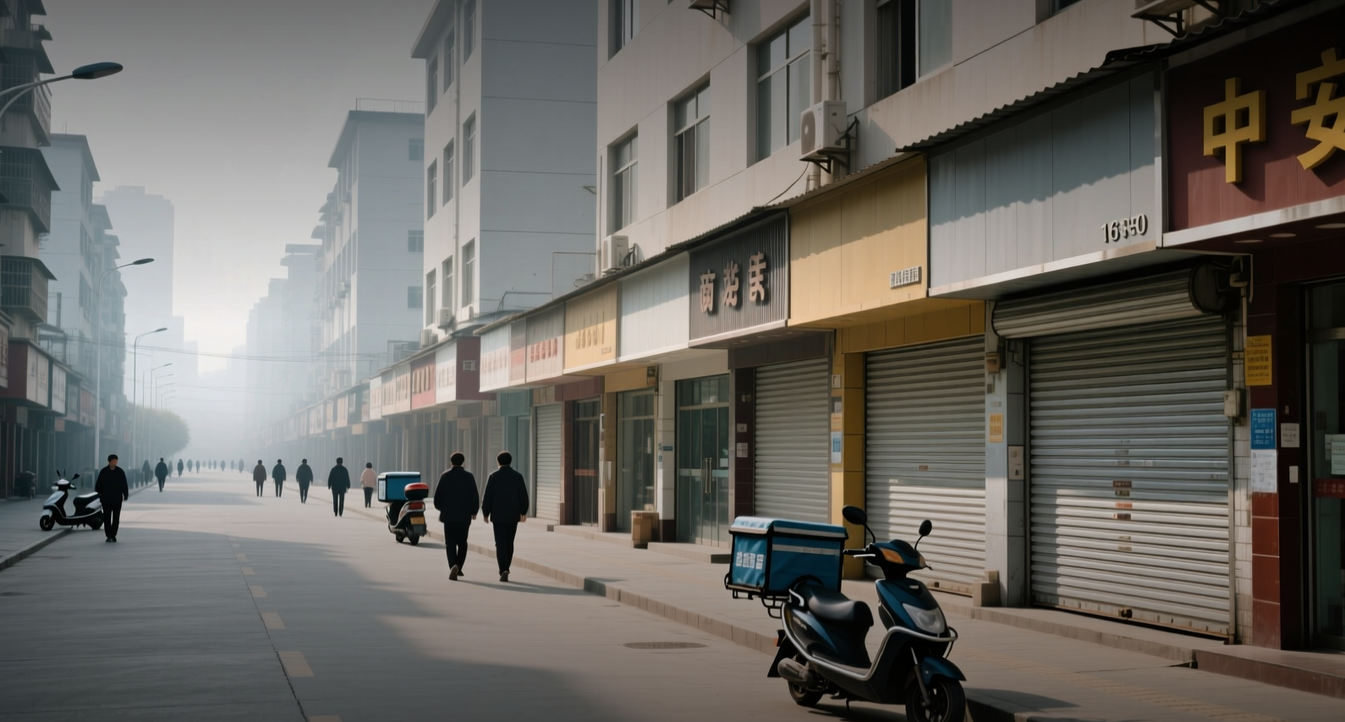
China's non-manufacturing PMI held at 49 in August, unchanged from July and the weakest reading since December 2022, keeping the services and construction sectors in contraction even as factory activity improved.
"It is too early to conclude the economy had rebounded," said Zhiwei Zhang, president and chief economist at Pinpoint Asset Management.
The official manufacturing PMI rose to 49.8 from 49.2 in July, beating the 49.6 median forecast in a Reuters poll, with sub-indexes for new orders and production returning to expansion above 50. The non-manufacturing gauge, which covers services and construction, stayed at 49.0, matching July's reading.
The divergence shows China relying on manufacturing and exports to drive growth as domestic consumption and investment deteriorate, potentially reducing pressure on policymakers to add support even as the economy faces deepening imbalances.
The August data, released by the National Bureau of Statistics on Aug. 31, shows the uneven nature of China's recovery. While factory output and new orders strengthened, the services sector — which accounts for a significant share of gross domestic product — continued to shrink. The construction sector remained hampered by a property market that has struggled to find a bottom more than five years into a slump, weighing on new orders and business activity.
Zhang Liqun, an analyst with the China Federation of Logistics & Purchasing, said that with the manufacturing PMI still in contraction, business confidence remained unstable. "Continued government investment in public goods should be strengthened to effectively drive increased orders for businesses, continuously consolidate and enhance business confidence," he said.
The persistent sub-50 non-manufacturing reading points to subdued consumer demand. Fixed-asset investment extended declines and goods consumption slowed at the start of the second half, while exports remained a growth driver, helped by strong demand for AI-related shipments that lifted prices for Chinese-made high-tech goods. The profit squeeze felt by manufacturers relying on domestic demand weighed on overall industrial profits.
Economic growth slowed to a more-than-three-year low of 4.3 percent in the second quarter. China's top leaders pledged in late July to introduce additional policies to support the economy and vowed to accelerate fiscal spending on already-budgeted infrastructure projects for the remainder of the year. The finance ministry recently expanded loan interest subsidies for small private firms and consumers to spur demand, while the central bank said this month it would roll out measures without indicating explicit cuts to policy rates or banks' reserve-requirement ratio.
The unchanged non-manufacturing reading suggests existing policy support has not yet translated into a meaningful uptick in activity. In a sign the government will not unveil major stimulus, an article published this month in the People's Daily, the Communist Party's official newspaper, said China is not excessively reliant on strong policy stimulus and is capable of achieving its annual growth target.
For global investors, the sustained contraction in services and construction raises questions about the strength of domestic demand, a key driver of China's economy. The property sector's weakness has broader implications for employment and local government finances, given its role in absorbing labor and generating revenue. The trajectory of the non-manufacturing index in coming months will be a key indicator of whether the broader recovery is gaining traction.
This article is for informational purposes only and does not constitute investment advice.
