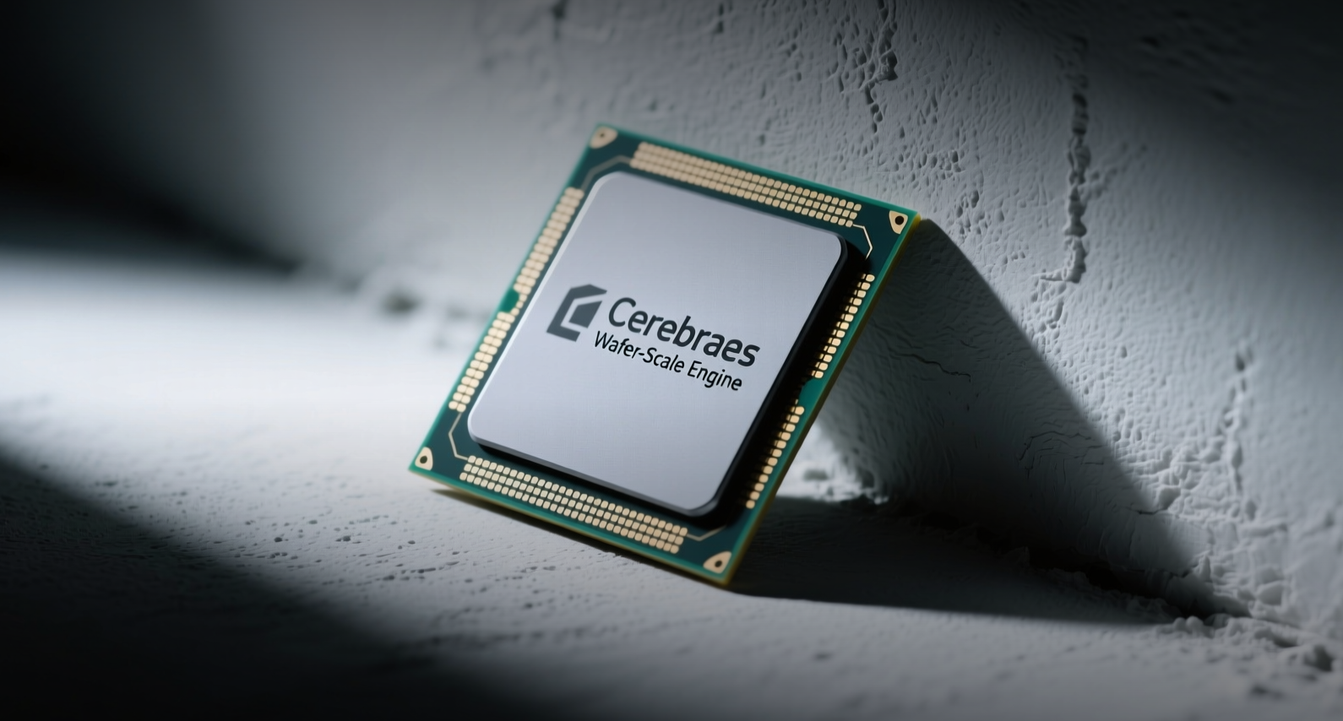
CleanCore Solutions secured a 10-year, $800 million colocation agreement with Cerebras Systems for a Minnesota data center campus, expanding its AI infrastructure pipeline to over 500 MW.
"This second development marks an important milestone in advancing our portfolio of critical digital infrastructure to secure compute capacity for Cerebras and other premier AI companies," Tyler Hassen, chief executive officer of CleanCore, said.
The Tier 3 facility will deliver 55 MW of utility power capacity and 40 MW of critical IT load upon full buildout. About 20 MW of utility power is already energized, supporting an initial 15 MW of critical IT load, with the remaining capacity expected online by the first quarter of 2027. CleanCore expects to own nearly 80 percent of the project and to start generating revenue in the first quarter of 2027. The agreement includes two 10-year renewal options that could bring total potential contract value to more than $3 billion.
The deal validates CleanCore's transition from cleaning services to AI infrastructure development, a pivot that carries execution risk given the company's limited operating history in data centers. For Cerebras, which competes with Nvidia in AI compute, the secured capacity supports its push to scale infrastructure for large language model training and inference workloads. CleanCore's development pipeline now spans over 500 MW across U.S. markets, including a previously announced West Texas campus.
The Minnesota campus represents the second AI infrastructure project for CleanCore, which is partnering with an experienced data center developer to accelerate delivery. The company's SEC filings note conditions that raise substantial doubt about its ability to continue as a going concern, a reflection of the capital intensity of data center development. For Cerebras, the agreement locks in colocation capacity at a time when AI compute demand is outstripping supply, with hyperscalers and startups alike competing for access to power-constrained data center space. The broader colocation market has seen pricing power shift to operators as vacancy rates tighten across major U.S. markets.
CleanCore's strategy mirrors a broader industry trend where companies with limited data center experience are racing to secure capacity for AI workloads. Established operators such as Equinix and Digital Realty have been expanding their footprints, while newer entrants like CleanCore target secondary markets where power availability is less constrained. The Minnesota campus, with 20 MW already energized, reduces some of the interconnection risk that has delayed competing projects in other regions. Alex Spiro, chairman of CleanCore's board, said the company aims to "provide the fuel to drive" the AI economy further.
This article is for informational purposes only and does not constitute investment advice.