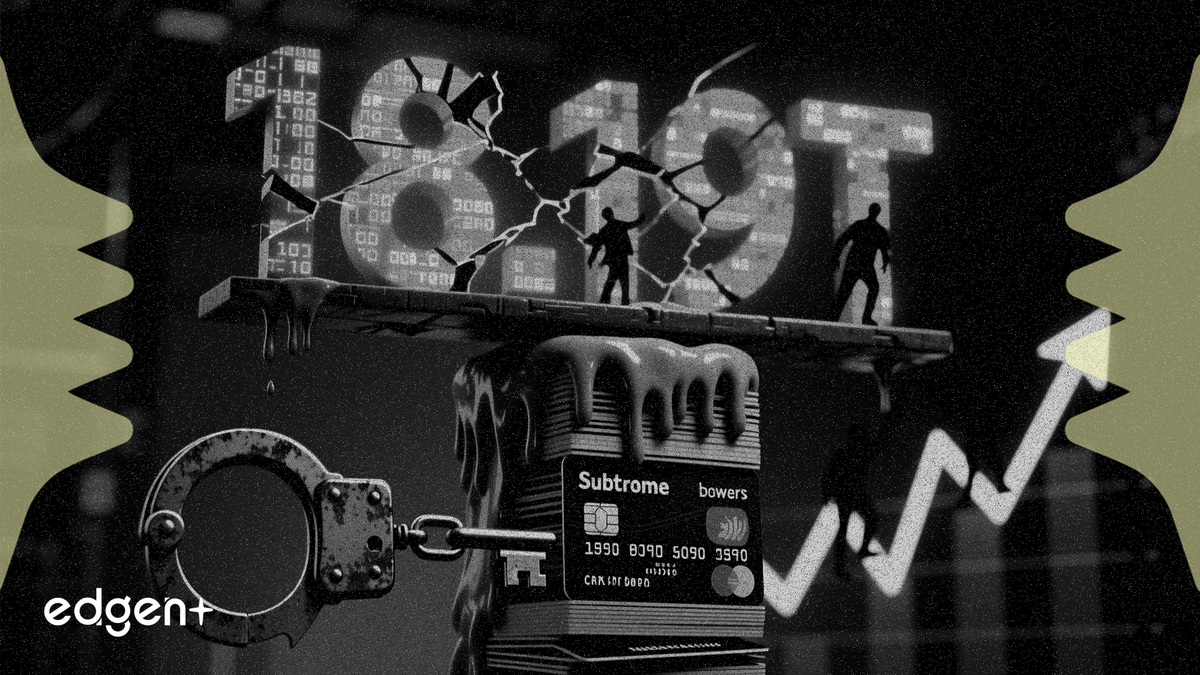
ABD tüketici borcu, Mart ayında 18,19 trilyon dolar ile rekor seviyeye yükseldi. Equifax'ın Çarşamba günü açıkladığı verilere göre, bu artışta subprime borçluların yeni banka kartları açması ve artan yaşam maliyetlerini karşılamak için daha yüksek bakiyeler taşıması etkili oldu.
"Subprime piyasasında, K şeklindeki ekonominin büyüyen uçurumunu gözler önüne seren bir genişleme görüyoruz," dedi Equifax danışmanı Maria Urtubey. "Alt ekonomik tabaka için kredi, finansal bir aracın ötesine geçmiş ve yükselen yaşam maliyetlerini yönetmek için bir zorunluluk haline geliyor olabilir."
Ocak ayında yeni banka kartı hesaplarının sayısı yıllık bazda yüzde 8,1 artarken, subprime kullandırımları yüzde 18,6 sıçradı. Subprime borçlular arasında kredi limitleri bir yıl öncesine kıyasla yüzde 37,6 arttı. Mart ayında ödenmemiş banka kartı bakiyeleri toplam 1,085 trilyon dolara ulaşarak geçen yıla göre yüzde 3,9 artarken, ipotek, oto kredisi ve öğrenci kredisini içeren toplam tüketici borcu yıllık bazda yüzde 2,8 yükseldi.
Düşük gelirli haneler arasında krediye artan bağımlılık, ABD gayri safi yurtiçi hasılasının kabaca üçte ikisini oluşturan tüketici harcamaları üzerinde potansiyel bir baskıya işaret ediyor. Temerrütler hızlanırsa, daha sıkı kredi standartları uygulanabilir, buna en çok ihtiyaç duyan hanelerin krediye erişimi azalabilir ve ekonomik büyüme üzerinde yük oluşturabilir.
Öğrenci Kredisi Temerrütleri %17'ye Tırmandı
Çoğu kredi kategorisinde temerrüt oranları iyileşirken, öğrenci kredileri büyüyen bir sorun alanı olarak ortaya çıktı. 90 gün veya daha uzun süre gecikmiş öğrenci borcunun payı Mart ayında yüzde 17,01'e ulaşarak üst üste dördüncü aylık artışını kaydetti. Yeni öğrenci kredisi hesaplarının sayısı yıllık bazda yüzde 10'dan fazla azalırken, kullandırılan dolar tutarı yine de yüzde 4,7 arttı; bu da yükseköğrenim maliyetlerindeki artışı yansıtıyor.
"Tarihsel olarak tüketiciler, ipotek ve oto kredisi ödemelerine öğrenci kredilerinden daha fazla öncelik vermiştir," dedi Urtubey. "Ancak, daha sıkı icra tedbirleri yeniden başlatıldıkça, bu 'ödeme hiyerarşisinde' bir bozulma görmeye başlayabilir ve bu da diğer kredi kategorilerine baskı getirebilir."
Temerrüt Eğilimleri Kredi Türlerine Göre Ayrışıyor
Öğrenci borcu dışında, çoğu tüketici kredisi göstergesi iyileşme gösterdi. Teminatsız kişisel kredi temerrütleri (60 gün ve üzeri) Mart ayında geçen yılki yüzde 3,49 seviyesinden yüzde 3,18'e geriledi. Banka kartı temerrütleri yüzde 3,09'dan yüzde 2,97'ye, oto kredisi temerrütleri ise yüzde 1,51'den yüzde 1,49'a düştü.
Bununla birlikte, gecikmeli bir gösterge olan silme oranları hem banka kartı hem de oto kredisi portföylerinde yükseldi. Banka kartı silme oranları 0,9 baz puan artarken, oto kredisi ve leasing silme oranları 27,5 baz puan yükselerek borç verenlerin aylar önce temerrüde düşen hesaplardan kayıpları muhasebeleştirdiğine işaret etti. Urtubey, artan silme oranlarını "risk seviyelerini sürdürülebilir bir taban çizgisine geri getirmek için gerekli bir düzeltme" olarak tanımladı.
Genel tablo, geçen hafta toplam hanehalkı borcunun ilk çeyrekte 18,8 trilyon dolara ulaştığını bildiren New York Federal Rezerv Bankası'nın bulgularını yansıtıyor. New York Fed verileri, ödenmemiş borcun yüzde 4,8'inin bir tür gecikme aşamasında olduğunu gösterdi; merkez bankası bu seviyeyi "çoğunlukla istikrarlı" olarak nitelendirdi. En büyük bileşen olan ipotek bakiyeleri 13,2 trilyon dolara yükselirken, oto kredisi bakiyeleri 1,7 trilyon dolara ulaştı.
Federal Rezerv için, iyileşen kısa vadeli temerrütler ile yükselen silme oranları arasındaki ayrışma karışık bir sinyal oluşturuyor. Çoğu borçlu için tüketici dayanıklılığı bozulmamış durumda ancak subprime haneler arasında krediye artan bağımlılık, yükselen öğrenci kredisi stresiyle birleştiğinde, yüzeyin altında kırılganlıkların biriktiğine işaret ediyor. Equifax verileri, New York Fed'in 2025 yılının dördüncü çeyreğinde hanehalkı borç ödeme ödemelerinin harcanabilir gelirin yüzde 11,3'üne yükseldiğini gösteren ayrı bir raporun ardından geldi; bu oran 2021 başındaki yüzde 9,1 seviyesinden yüksek olmakla birlikte pandemi öncesi seviyelerin hâlâ altında.
Bu makale yalnızca bilgilendirme amaçlıdır ve yatırım tavsiyesi niteliği taşımaz.