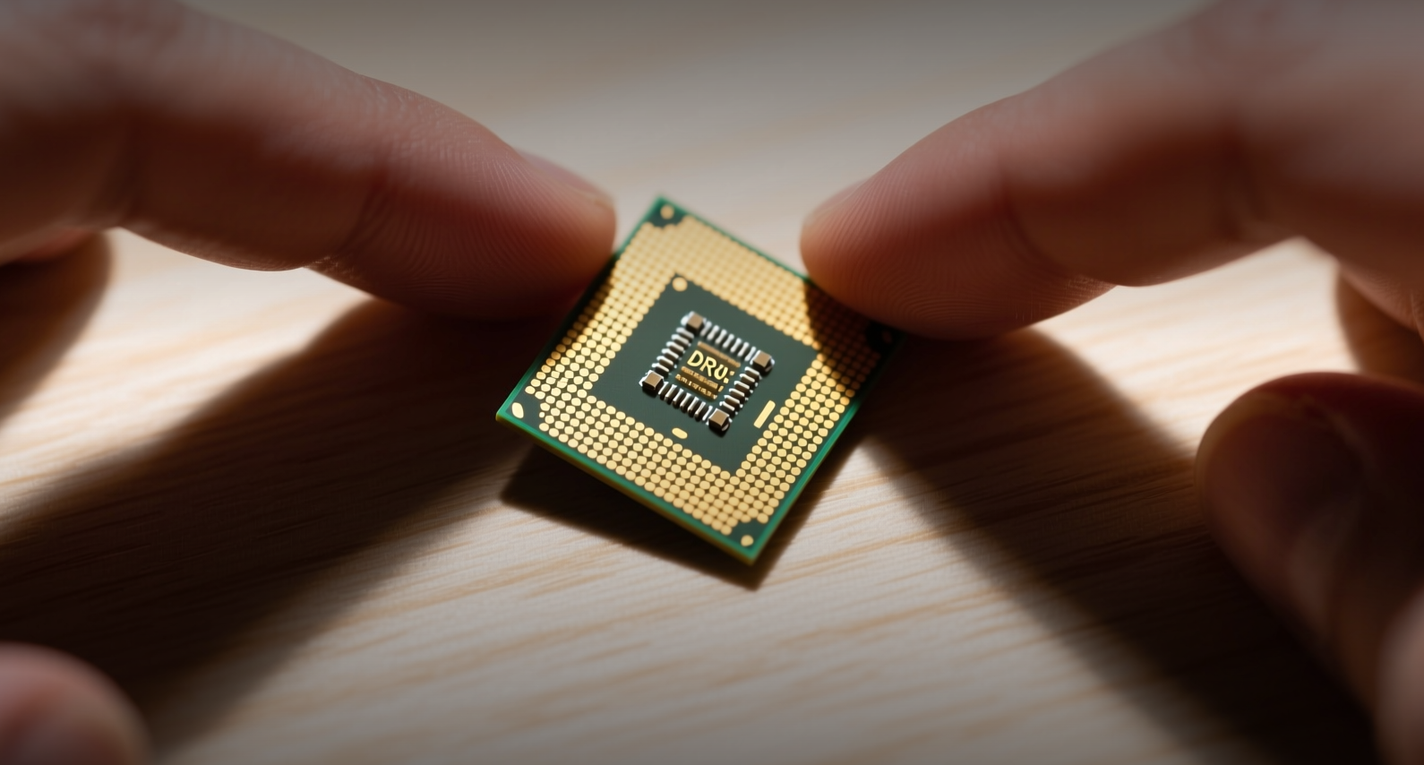
CXMT, the world's fourth-largest DRAM manufacturer, priced its STAR Market IPO at RMB8.66 a share, giving it a market cap of approximately RMB579.2 billion — well below the RMB1 trillion valuation the market had anticipated.
"The pricing reflects a pragmatic approach in a challenging semiconductor fundraising environment," said Tom Brennan, IPO analyst at Edgen. "CXMT's valuation gap versus expectations highlights the tension between strategic national interest and near-term profitability concerns in memory chips."
The company will open online and offline subscriptions on July 16, with payment settlement due by July 20. Founder and Chairman Zhu Yiming holds 1.592 billion shares in CXMT, valued at RMB13.79 billion at the offer price. Combined with his 5.13 percent stake in GIGADEVICE (03986.HK), his total holdings across both companies are worth approximately RMB34.8 billion.
At RMB579.2 billion, CXMT's market capitalization places it among the largest semiconductor listings on the STAR Market, though the discount to initial expectations points to a more measured reception than some had forecast. The pricing implies a valuation multiple that reflects the cyclical nature of the DRAM industry, where prices have historically swung between shortage-driven spikes and oversupply-driven troughs.
The below-expectations pricing suggests tempered demand for what would have been one of the largest semiconductor IPOs in China this year. CXMT's listing on the STAR Market comes as Beijing pushes for domestic chip self-sufficiency, though the lower valuation may reflect investor caution on near-term profitability in the DRAM sector. The company competes with Samsung Electronics, SK Hynix and Micron Technology in a market where oversupply has periodically compressed margins across the industry.
The IPO proceeds will support CXMT's capacity expansion as it seeks to narrow the technology gap with the three dominant players that control more than 90 percent of the global DRAM market. The company's path to profitability depends on its ability to stabilize yields and capture market share in a capital-intensive industry where scale determines cost advantage. CXMT's listing also provides a benchmark for other Chinese semiconductor companies considering STAR Market IPOs, with investors closely watching after-market performance to gauge appetite for the sector.
The wider context of improving sentiment toward Chinese equities — Citi recently upgraded Chinese equities to overweight with a Hang Seng Index year-end target of 29,600 — may provide a supportive backdrop for CXMT's trading debut. However, the DRAM industry's capital intensity and cyclical pricing dynamics mean the company faces a steep climb to establish itself as a credible fourth force alongside the three incumbents that have dominated the market for decades. For investors, the key question is whether CXMT can achieve the scale and technology parity needed to generate sustainable returns in a market where the top three players have invested tens of billions of dollars in fabrication facilities over the past decade.
This article is for informational purposes only and does not constitute investment advice.