
ABD Doları, ABD-İran ateşkesinin sekizinci haftasına girmesiyle yükselişini sürdürdü ve DXY, yükselen bir kanal içinde konsolide oluyor.
ABD Doları, ABD-İran ateşkesinin sekizinci haftasına girmesiyle yükselişini sürdürdü ve DXY, yükselen bir kanal içinde konsolide oluyor.
ABD Doları, ABD-İran ateşkesinin sekizinci haftasına girmesiyle yükselişini sürdürdü ve DXY, yükselen bir kanal içinde konsolide oluyor.
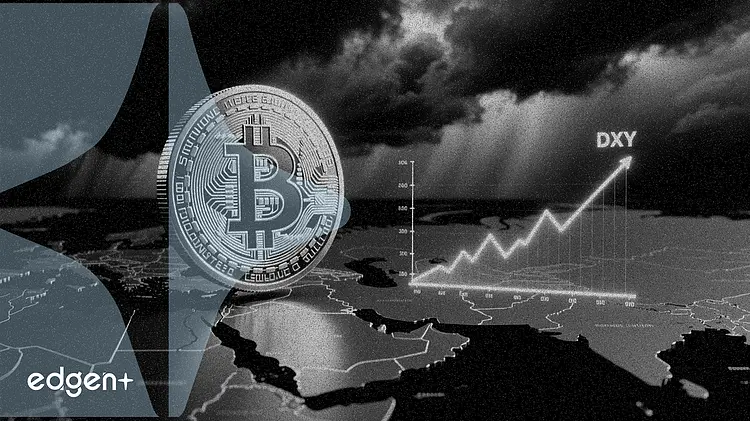
ABD Doları, ABD-İran ateşkesinin devam etmesiyle üst üste sekizinci haftasında da güçlenirken, DXY endeksi 104,50 seviyesi yakınında yükselen bir kanal içinde konsolide oldu; EUR/USD ana desteğini test ederken GBP/USD ise yükselen kanalının tabanını savundu.
Edgen'de jeopolitik risk analisti olan Elena Fischer, "Ateşkes, döviz piyasalarından önemli bir kuyruk riskini ortadan kaldırarak doların, çatışmanın ilk aylarına damga vuran volatilite primi olmaksızın güvenli liman avantajını geri kazanmasına olanak tanıdı" dedi.
Washington ile Tahran arasındaki mutabakat zaptı — Hürmüz Boğazı'nı yeniden açacak ve 60 günlük nükleer müzakerelere başlayacak olan anlaşma — henüz Başkan Donald Trump'ın onayını almadı. ABD Başkan Yardımcısı JD Vance Perşembe günü "birkaç dilbilimsel noktanın" daha görüşülmekte olduğunu söylerken, Hazine Bakanı Scott Bessent anlaşmanın "başkanın ne yapmak istediğine" bağlı olduğunu doğruladı. Petrol fiyatları belirsizliği yansıttı: benzin vadeli işlemleri, boğaz yakınlarında yaşanan yeni çatışmaların ardından Perşembe günü toparlansa da, pompada ulusal ortalama 3,3 sent düşerek galon başına 4,43 dolara geriledi — bu Kasım 2008'den bu yana görülen en büyük tek günlük düşüş oldu.
Doların gidişatı artık Trump'ın mutabakat zaptını onaylayıp onaylamamasına bağlı. İmzalanması halinde, küresel petrol ticaretinin yaklaşık %21'ini elinde bulunduran boğazın yeniden açılması, enerji maliyetlerini daha da düşürebilir ve jeopolitik risk primlerini azaltarak dolar gücünü pekiştirebilir. Reddedilmesi halinde ise, yenilenen düşmanlıklar güvenli liman akışlarının geri dönmesiyle DXY'yi yukarı itme riski taşırken, EUR/USD ve GBP/USD kendi destek seviyelerinin altında potansiyel kırılmalarla karşı karşıya kalabilir.
Ateşkesin dayanıklılığı defalarca test edildi. İran Çarşamba günü geç saatlerde Kuveyt'e doğru bir balistik füze fırlattı — ABD güçleri tarafından durduruldu — ve ABD Merkez Komutanlığı bunu "ağır bir ateşkes ihlali" olarak nitelendirdi. IRGC donanması ayrıca Hürmüz Boğazı yakınlarında dört gemiye uyarı ateşi açtı. Bu olaylara rağmen Vance, ateşkesi "biraz dağınık" ancak sağlam olarak tanımladı ve ABD'nin savunma amaçlı saldırı başlatma hakkını saklı tuttuğunu ekledi.
Boğaz kısıtlı kalmaya devam ederken petrol stokları eriyor
Boğazın aylardır süren kapatılması, enerji sektörünü giderek artan bir hızla depolama tesislerini boşaltmaya zorladı. Enerji Bilgi İdaresi verilerine göre, ABD ham petrol ve ürün stokları geçen hafta 17,4 milyon varil düşerek stokları Mayıs 2003'ten bu yana en düşük mevsimsel seviyeye indirdi. Yalnızca Stratejik Petrol Rezervi 9,1 milyon varil azalarak iki aylık çekimi 50 milyon varile getirdi. Benzin stokları 2014'ten bu yana en düşük Mayıs seviyesine gerilerken, motorin ve diğer damıtılmış ürünler Mayıs 2003'ten bu yana görülmeyen seviyelere ulaştı.
Lipow Oil Associates başkanı Andy Lipow, "Durum oldukça değişken ve piyasalar bir lunapark treni yolculuğundaydı. Bir başlık alabiliriz ve ham petrol varil başına 5 dolar daha yükselebilir" dedi.
Döviz çiftleri kritik seviyeleri test ediyor
Doların gücünün devam etmesiyle EUR/USD, 1,0800 seviyesi yakınındaki desteği test ederken, GBP/USD yükselen kanalının tabanını savunuyor. Bu ayrışma, göreceli para politikası beklentilerini yansıtıyor: Avrupa Merkez Bankası, euro bölgesi ekonomisinin yavaşlamasıyla potansiyel bir gevşeme sinyali verirken, İngiltere Merkez Bankası daha temkinli bir duruş sergiledi. DXY'nin yükselen kanalı — ateşkesin Nisan başında yürürlüğe girmesinden bu yana oluşan — jeopolitik fonlar istikrar kazandığı sürece doların yükseliş trendinin bozulmadan kaldığını gösteriyor.
Karşılaştırılabilir bir jeopolitik risk priminin bu kadar hızlı sıkıştığı son olay, 2020 Ermenistan-Azerbaycan ateşkesiydi; bu dönemde petrol fiyatları normalleştikçe dolar endeksi takip eden ayda %2,3 düştü. Bu kez benzer bir sonuç, İran'ın yüksek oranda zenginleştirilmiş uranyum stokunu teslim etme taahhüdü de dahil olmak üzere mutabakat zaptının tam olarak uygulanmasına bağlı olacaktır.
Bu makale yalnızca bilgilendirme amaçlıdır ve yatırım tavsiyesi niteliği taşımaz.
