

Key Takeaways: The memory chip market faces its longest supply crunch in decades, with relief unlikely before mid-2028.
Key Takeaways: The memory chip market faces its longest supply crunch in decades, with relief unlikely before mid-2028.
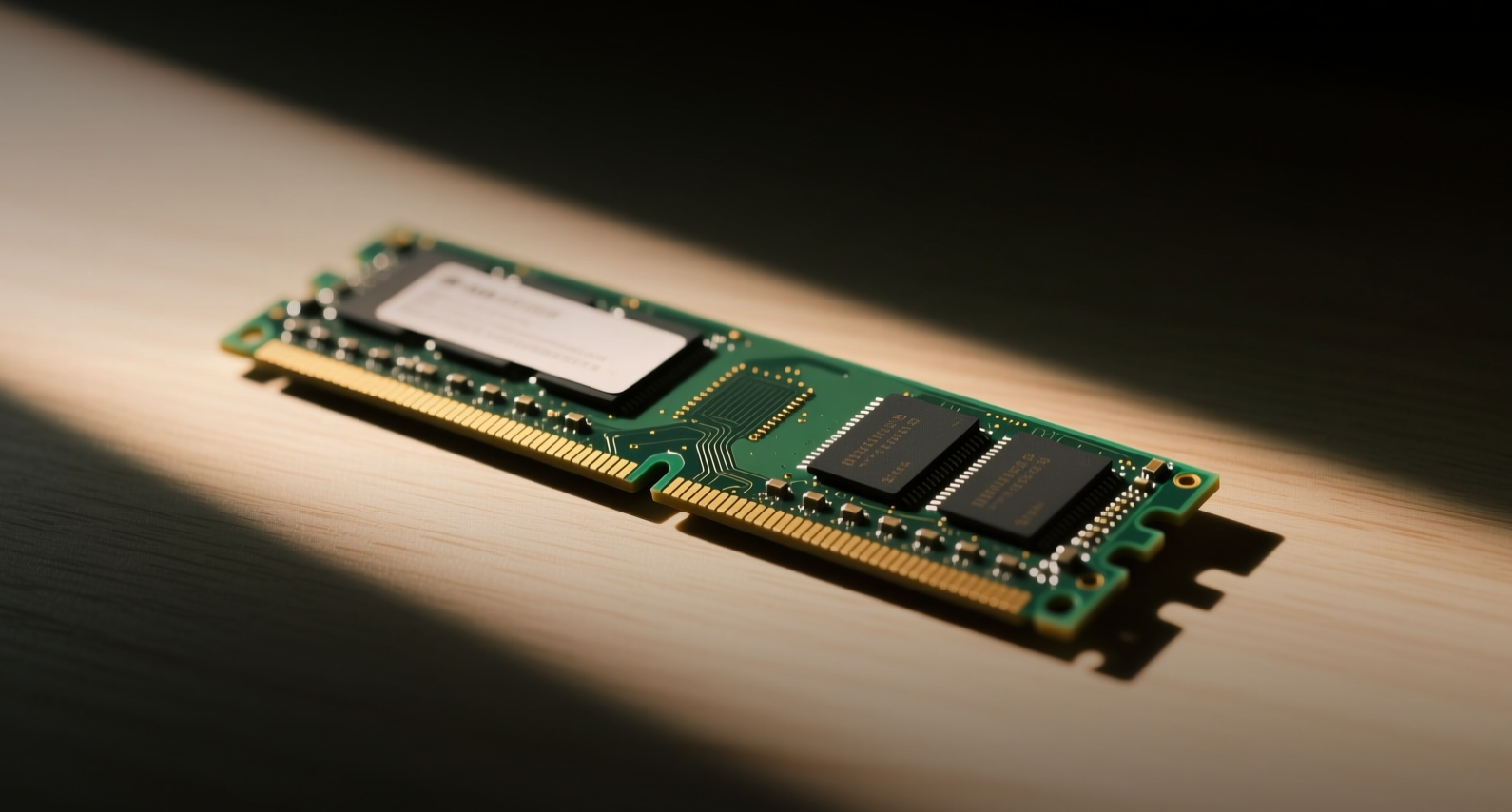
The AI-driven memory shortage is reshaping the DRAM industry more durably than any cycle in recent history, with supply expected to meet only 60% of projected demand by the end of 2027, according to TrendForce.
"Every wafer devoted to HBM is one that can't be used to produce conventional DRAM, keeping supply constrained and prices elevated," a TrendForce analyst said.
High-bandwidth memory, the specialized chip architecture that feeds data to AI accelerators at speeds exceeding 4 terabytes per second per stack, will consume 30% of total DRAM wafer capacity by the end of 2027, up from 22% a year earlier. That shift leaves conventional DRAM production structurally constrained even as hyperscale cloud providers — Alphabet, Microsoft, Amazon and Meta — are expected to spend more than $700 billion on AI infrastructure this year. Memory components account for 35% to 40% of that spending, according to BofA Global Research.
UBS does not expect DRAM supply and demand to reach equilibrium until the second quarter of 2028, a timeline that extends well beyond the typical 12- to 24-month lag for new fabrication plants to reach peak output. For investors, that means the pricing power that has propelled Micron Technology's shares 205% higher this year and pushed its adjusted gross margin to 84.9% is unlikely to fade quickly — but the clock is now visible.
Why This Cycle Breaks the Pattern
Previous memory booms followed a predictable rhythm: soaring prices triggered aggressive capacity expansion, which led to oversupply and a price collapse within four to seven quarters. This cycle has broken that cadence. Manufacturers have resisted broad capacity increases, instead directing capital toward HBM-specific investments. Industry capital spending is expected to rise to $61.3 billion in 2026 from $53.7 billion in 2025, but most of that investment is dedicated to HBM rather than general DRAM expansion.
The discipline reflects lessons from the 2022-2023 downturn, when a glut erased $23 billion in industry profit. Samsung Electronics, SK Hynix and Micron — which together control 89% of the global DRAM market, per Counterpoint Research — are now locking customers into long-term supply agreements with upfront deposits and minimum purchase commitments, effectively smoothing the demand curve.
The Supply-Demand Math Points to 2028
TrendForce projects HBM will account for 9% of total DRAM bit supply in 2026, rising to 13% in 2027. Because each HBM stack requires advanced packaging and consumes more wafer capacity than conventional DDR5 memory, the bit-supply share understates the capacity squeeze. Every percentage point of HBM penetration removes disproportionately more wafer capacity from the general market.
The result is a supply deficit that KeyBanc analyst John Vinh expects to keep DRAM prices rising 15% to 20% quarter over quarter through the third quarter, followed by another 15% increase in the fourth quarter. NAND flash prices are forecast to climb even faster — 30% to 40% in the third quarter and 15% in the fourth. High-bandwidth memory prices could more than double next year, according to industry estimates.
What It Means for Investors
Micron trades at 6.53 times projected fiscal 2027 adjusted earnings, a steep discount to the S&P 500's 21.22 times. That valuation gap reflects the market's historical skepticism toward memory companies tied to boom-bust cycles. But long-term supply agreements could narrow that discount by creating a more predictable earnings profile, potentially triggering a re-rating even without additional earnings growth.
The risk is that the Q2 2028 equilibrium forecast becomes a ceiling on sentiment. If investors begin pricing in the eventual normalization 12 to 18 months ahead of the actual event, Micron and its peers could face multiple compression before the supply-demand balance actually shifts. For now, the data supports continued pricing power — but the timeline is no longer open-ended.
This article is for informational purposes only and does not constitute investment advice.
