
Key Takeaways: Creditors of bankrupt wood-pellet producer Enviva seek more than $2 billion from five former executives over concealed trades that bankrupted the once-$6 billion green-energy company.
Key Takeaways: Creditors of bankrupt wood-pellet producer Enviva seek more than $2 billion from five former executives over concealed trades that bankrupted the once-$6 billion green-energy company.
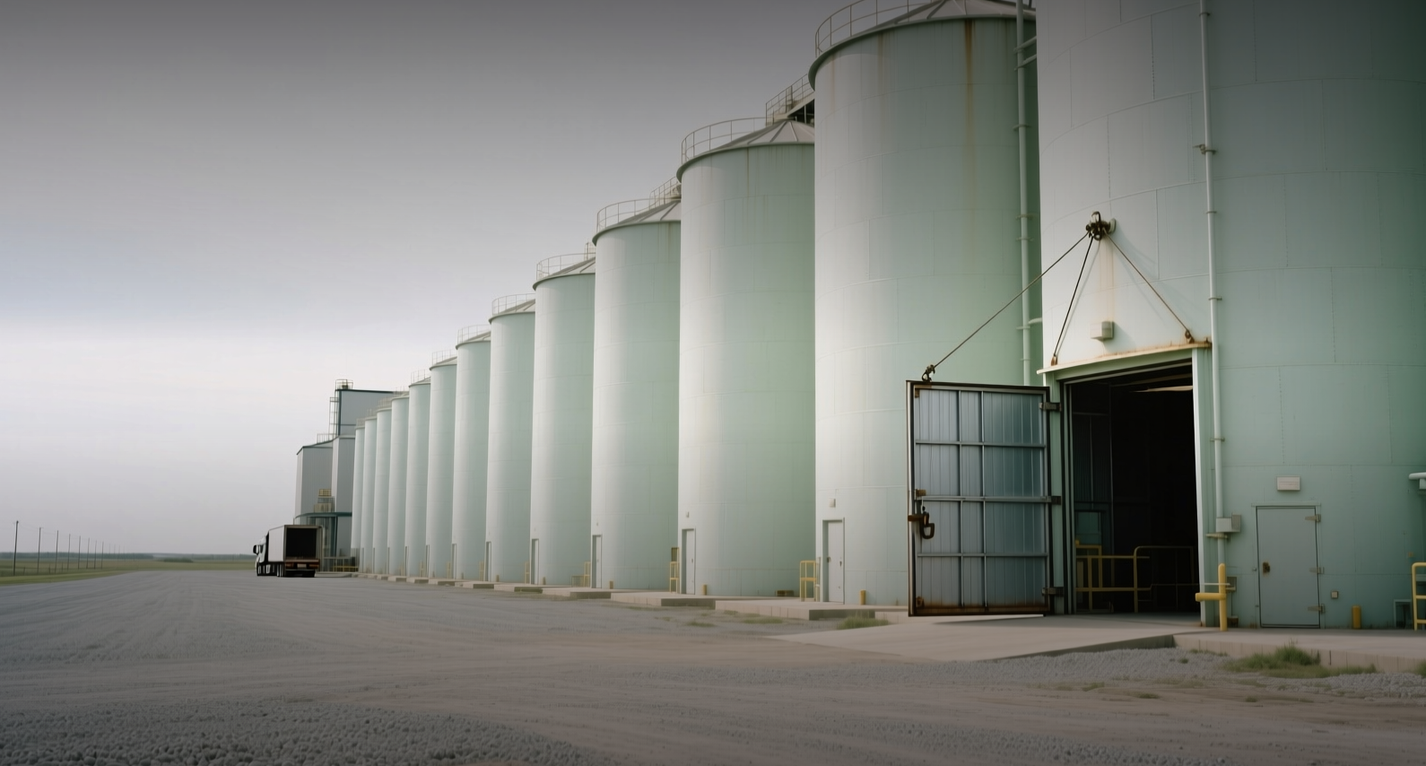
Creditors of bankrupt wood-pellet producer Enviva filed a lawsuit seeking more than $2 billion from five former executives who allegedly concealed trades that obligated the company to buy $650 million of pellets at record prices.
"A board of directors cannot fulfill its duties if corporate officers withhold material information and act beyond the scope of their authority," Eric Madden, one of the plaintiffs' lawyers, said.
The trades, struck with Germany's RWE in September 2022, committed Enviva to purchase more than $650 million of wood pellets over three years at prices roughly three times normal levels. The deals followed a fire at a Danish customer's storage silo that left Enviva with surplus inventory to sell on a spot market supercharged by Russia's invasion of Ukraine.
The collapse erased a company that once held a nearly $6 billion market value. Shareholders received nothing in the 2024 bankruptcy, and some bondholders recovered pennies on the dollar. Enviva emerged from Chapter 11 in December 2024 with new owners and leadership.
Enviva pioneered the business of pressing sawdust into cylindrical capsules and shipping boatloads to overseas power plants looking to burn an alternative to coal. The company built pellet plants across the southern United States, moving into parts of the pinery where pulp and paper mills had closed and left behind surfeits of sawdust, wood chips, and cheap pulpwood.
Governments in Europe and Asia subsidized wood pellets as renewable energy, reasoning that newly planted trees would absorb carbon dioxide as they grew. Russia's 2022 invasion of Ukraine shocked energy markets and boosted demand for wood pellets, along with coal, natural gas, and anything else that could be burned to generate electricity.
At the time, Enviva was dealing with problems at some plants that made it difficult to fulfill obligations to customers. The company was at risk of missing profit targets, and executives were in danger of losing out on annual bonuses that, in some cases, would more than double their salaries, creditors claim.
The lawsuit draws on findings from a seven-month board investigation into the trades. The board enlisted law firm Baker Botts, which determined there were solid legal claims against the executives, according to bankruptcy filings.
The September 2022 fire at a Danish customer's pellet-storage silo created an unexpected opportunity. With a major customer unable to accept shipments, Enviva found itself with surplus pellets to sell on the red-hot spot market, where prices had shot to roughly three times their normal range.
The executives arranged a series of trades in which Enviva would sell pellets to RWE at those record prices, immediately boosting the company's bottom line and their chances of earning bonuses. To seal the deals, however, they committed Enviva to later buy a greater volume of pellets from RWE at the same sky-high prices.
"Even assuming that the enterprise had the liquidity to satisfy these purchase obligations, if the spot market for wood pellets fell from its all-time high, the fallout would be disastrous," the creditors' attorney said in the suit.
Naturally, prices did fall back to earth, setting off a chain of events that bankrupted Enviva. The executives never received their bonuses either — Enviva's auditor determined the RWE sales proceeds couldn't be booked as revenue given the corresponding purchase obligations.
Enviva's creditors are unlikely to recoup anything close to $2 billion. Recovery cases are fairly common following corporate bankruptcies and are typically settled without trial. Once legal fees are paid, creditors usually receive whatever is left of the company's directors-and-officers liability insurance coverage.
The suit, though, sheds new light on Enviva's collapse. The company was considered one of the winners of the green-energy boom, and demand for wood pellets was rising when it imploded.
Lawyers representing the five former Enviva executives, including former Chief Executives John Keppler and Thomas Meth, either declined to comment or didn't respond. Enviva said it wasn't involved in the litigation, and none of the former executives named in the suit are affiliated with the reorganized company.
The case raises governance questions for the broader biomass sector, where commodity price swings and long-term supply contracts create similar risk profiles. If the allegations hold, it could push boards at other renewable-energy commodity companies to tighten oversight of trading positions and executive bonus structures tied to short-term profit targets.
This article is for informational purposes only and does not constitute investment advice.
