
주요 요점:
- EU 관리들은 새로운 관세 부과를 방지하기 위해 5월 19일 회의를 갖고 미국과의 무역 협정을 위한 법안을 마무리할 예정이다.
- 이번 협상은 도널드 트럼프 대통령이 설정한 7월 4일 마감 기한을 앞두고 있어 해결을 위한 상당한 압박을 받고 있다.
- 협상 타결 실패 시 지형학적 긴장과 에너지 가격 변동성으로 이미 경직된 글로벌 시장에서 비용 상승과 공급망 혼란을 초래할 위험이 있다.
주요 요점:
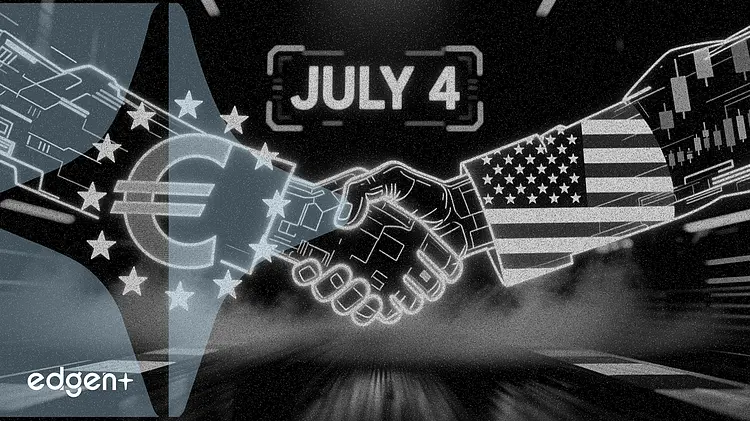
유럽연합(EU) 관리들이 미국의 새로운 관세 부과를 막기 위해 분투하고 있는 가운데, 글로벌 시장은 이미 지정학적 긴장과 불안정한 에너지 가격으로 인해 어려움을 겪고 있습니다.
EU 관리들은 오늘 대서양 횡단 무역 협정을 위한 법안을 마무리하기 위해 회의를 가집니다. 이는 도널드 트럼프 미국 대통령이 설정한 7월 4일 마감 기한을 맞추기 위한 행보입니다. 협상 타결에 실패할 경우 미국이 새로운 관세를 부과할 위험이 있으며, 이는 무역 혼란과 글로벌 경제 불확실성을 가중시킬 수 있습니다.
이러한 협상의 복잡성은 EU와 다른 주요 경제국 간의 병행 회의에서도 드러납니다. 예를 들어, 인도와의 협상에서 민감한 분야들은 난항을 겪고 있으며, 최근 다르판 제인(Darpan Jain) 인도 상무부 추가 비서관은 자동차 부문을 가장 까다로운 분야 중 하나로 언급한 바 있습니다.
이번 고위급 회의는 글로벌 시장의 변동성이 큰 시점에 열립니다. 유가는 미국과 이란의 갈등 소식에 출렁였으며, 트럼프 대통령이 협상을 위해 군사 행동 일시 중단을 발표한 후 브렌트유는 배럴당 109달러 선까지 하락했습니다. 한편, 금값은 지정학적 불확실성 속에서 안전 자산에 대한 투자자 수요를 반영하며 안정세를 유지하고 있습니다.
EU와 미국 간의 협정이 성공적으로 타결되면 시장 불안을 해소하고 양측의 수출 중심 산업에 활력을 불어넣을 수 있습니다. 그러나 실패할 경우 인플레이션 압력을 가중시키고 공급망을 교란하며 이미 취약한 글로벌 금융 시스템에 새로운 변동성을 가져올 가능성이 큽니다.
해결책 마련을 위한 이러한 움직임은 유리한 조건을 확보하는 것과 비용이 많이 드는 무역 분쟁을 피하는 것 사이에서 관리들이 유지해야 하는 미묘한 균형을 잘 보여줍니다. 제안된 미국의 관세에 대한 정확한 세부 사항은 공개되지 않았지만, 브뤼셀 당국은 이 위협을 심각하게 받아들이고 있습니다. EU는 인도와의 무역 협정을 포함하여 다른 복잡한 무역 현안들도 동시에 조율 중이며, 교착 상태를 타개하기 위해 농업 및 해산물 분야에서 상당한 양보를 제안한 것으로 알려졌습니다.
이러한 다각적인 협상 전략은 변화하는 글로벌 환경 속에서 무역 관계를 공고히 해야 하는 EU의 압박감을 나타냅니다. 자동차 부문은 여러 협상에서 여전히 주요 쟁점으로 남아 있으며, 이는 특정 산업이 광범위한 경제 논의에서 어떻게 마찰 지점이 될 수 있는지를 보여줍니다.
무역 협상은 고립된 환경에서 이루어지지 않습니다. 투자자들은 이미 에너지 가격 급등과 글로벌 인플레이션 우려를 낳은 중동 갈등의 경제적 여파와 씨름하고 있습니다. 일례로 인도 항공사들은 국영 정유사에 항공유 가격 인상 연기를 요청한 것으로 알려졌는데, 이는 글로벌 경제 전반에 퍼진 비용 압박을 여실히 보여주는 대목입니다.
이러한 배경 속에서 EU와 미국 간 협상 결과는 더욱 큰 무게감을 갖습니다. 새로운 무역 분쟁은 고조된 지정학적 리스크부터 주요 중앙은행의 고금리 기조 유지 전망까지 이미 수많은 도전에 직면한 세계 경제에 또 다른 악재가 될 것입니다.
이 기사는 정보 제공만을 목적으로 하며 투자 조언을 구성하지 않습니다.
