
7월 4일 마감일을 불과 몇 주 앞두고 체결된 이번 합의는 미국이 유럽산 수입차에 부과하려던 25% 관세 위협을 제거하고 대부분의 EU 제품에 대한 관세를 15%로 제한했습니다.
7월 4일 마감일을 불과 몇 주 앞두고 체결된 이번 합의는 미국이 유럽산 수입차에 부과하려던 25% 관세 위협을 제거하고 대부분의 EU 제품에 대한 관세를 15%로 제한했습니다.
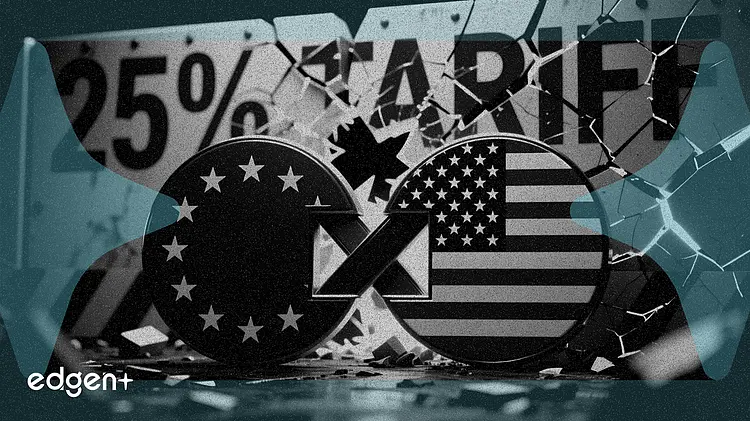
유럽 입법자들은 수요일 미국과 일부 수입 관세를 철폐하는 잠정 무역 합의에 도달하여, 유럽 자동차 수입에 대한 25% 관세 위협을 피하고 대부분의 EU 제품에 대한 미국 관세를 15%로 제한했습니다.
우르줄라 폰데어라이엔 유럽연합 집행위원장은 X를 통해 "약속은 약속이며, EU는 약속을 지킵니다"라며 "함께라면 우리는 안정적이고 예측 가능하며 균형 잡히고 상호 이익이 되는 대서양 횡단 무역을 보장할 수 있습니다"라고 밝혔습니다.
트럼프 대통령이 설정한 7월 4일 마감일 이전에 마무리된 이번 합의는 미국 산업 제품에 대한 EU의 잔여 수입 관세를 철폐하는 동시에 특정 농산물 및 해산물 제품에 대한 관세를 인하할 것입니다. 이번 합의는 EU가 미국에 약 6000억 달러를 투자하겠다는 약속을 포함한 더 광범위한 2025년 협정의 일부입니다.
이번 합의는 25% 관세 위협으로 인해 상당한 재무적 압박을 받았던 유럽 자동차 부문에 결정적인 구제책을 제공합니다. 또한 이번 합의에는 워싱턴이 2026년 12월 이후에도 EU 금속 제품에 대해 15% 이상의 관세를 유지할 경우 EU가 미국산 철강 및 알루미늄에 관세를 재부과할 수 있도록 허용하는 조항이 포함되어 향후 무역 분쟁에 대한 보호 장치를 마련했습니다.
브뤼셀에서의 이번 돌파구는 대서양 횡단 무역 관계가 경색된 시기 이후에 나온 것입니다. 앞서 입법자들은 연방 무역 법원이 트럼프 대통령에게 2월에 부과된 별도의 10% 글로벌 부담금에 대한 권한이 없다고 판결한 후 합의 비준을 중단한 바 있습니다. 그린란드를 인수하려는 자신의 야망에 반대하는 국가들에 대해 관세를 인상하겠다는 트럼프 행정부의 위협으로 긴장은 더욱 고조되었습니다.
## 보호 장치 및 일몰 조항
유럽 산업을 보호하기 위해 이번 합의에는 여러 보호 장치가 포함되어 있습니다. 유럽연합 집행위원회는 미국산 수입품의 급증이 지역 기업에 피해를 주는 것으로 판명될 경우 합의를 중단할 권한을 갖게 됩니다. 미국이 자신의 약속을 이행하지 않거나 EU 기업을 차별하는 경우에도 합의를 중단할 수 있습니다.
협상가들은 또한 현재 조건이 2029년 말에 만료되지만 연장이 가능한 '일몰 조항'을 확보했습니다. 이는 장기적인 틀을 제공하는 동시에 향후 조정을 가능하게 합니다. 관세를 최대 50%까지 설정했던 이전의 미국 철강 및 알루미늄 관세 체제는 이번 새 합의를 통해 해결하고자 하는 주요 쟁점이었습니다.
## 광범위한 시장 영향
관세 분쟁의 해결은 2023년에 1.3조 달러 이상의 가치가 있었던 대서양 횡단 무역에 안정성을 가져올 것으로 예상됩니다. 자동차 관세 위협 제거는 주가 압박을 받아온 유럽 자동차 제조업체들에게 특히 호재입니다. 구체적인 시장 반응은 아직 나타나고 있는 중이지만, 이번 합의는 대륙 전체의 투자자 신뢰를 높일 것으로 기대됩니다.
이번 합의는 또한 관세 인하 및 공동의 경제적 과제 해결에 대한 추가적인 참여를 위한 플랫폼 역할을 합니다. 미국의 경우, 이번 합의를 통해 거대한 EU 시장으로 자국의 산업 및 농업 수출품이 더 많이 접근할 수 있게 되었습니다.
이 기사는 정보 제공 목적으로만 작성되었으며 투자 조언을 구성하지 않습니다.
