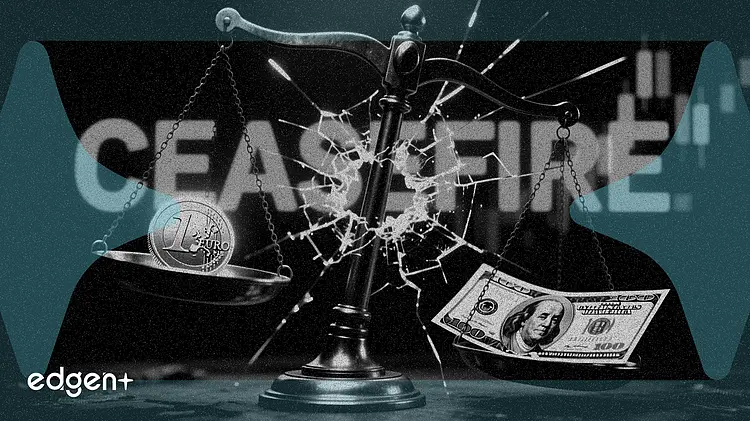
ABD Doları, aşırı dolar-olumsuz olması gereken bir haber karşısında bile aşağı yönlü kırılmayı reddetti; Washington ve Tahran, Hürmüz Boğazı'nı yeniden açan ve İran petrol ihracatındaki kısıtlamaları kaldıran bir ateşkes taslak çerçevesini sonuçlandırırken, EUR/USD 1,1660'ın altında takılı kaldı.
Washington ve Tahran'daki müzakereciler Perşembe günü, mevcut ateşkesi 60 gün uzatacak, dünyanın petrol arzının yaklaşık beşte birinin geçtiği Hürmüz Boğazı'nı yeniden açacak ve İran'ın ateşkes döneminde serbestçe ham petrol satmasına izin verecek bir mutabakat zaptı taslağını sonuçlandırdı. Anlaşma şimdi Başkan Donald Trump'ın onayını bekliyor; Beyaz Saray çerçevenin varlığını doğrularken henüz onaylanmadığını vurguladı.
"Piyasa anlaşmayı fiyatlıyor ancak aynı zamanda çökmesine karşı da hedge ediyor; bu nedenle dolar, saf bir risk-alma senaryosunun gerektireceği şekilde satılmıyor," dedi Edgen'de jeopolitik risk analisti olan Elena Fischer. "Tüccarlar, bir önceki ateşkesin açıklandığı zamanı hatırlıyor - uygulanması haftalar sürmüştü ve boğaz hiçbir zaman tam olarak yeniden açılmamıştı."
Euroun 1,1660'ı kıramaması, beklentileri boşa çıkaran daha geniş bir dolar direnci modelini yansıtıyor. Çatışma Şubat sonunda başladığından bu yana, Brent ham petrolü tırmanışlar sırasında varil başına 60 dolardan 120 doların üzerindeki zirvelere fırlarken, Hürmüz Boğazı'ndan geçen nakliye hacimleri savaş öncesi seviyelere göre yüzde 90 oranında düştü. Hızlı bir çözüm, enerji piyasalarına gömülü en büyük jeopolitik risk primlerinden birini ortadan kaldıracaktır, ancak dolar pozisyonunu korudu.
Dolar Neden Kırılmıyor
Doların Orta Doğu'daki bir gerilim azalmaya rağmen zayıflamayı reddetmesi, iş başında olan daha derin makro güçlere işaret ediyor. Federal Rezerv'in faiz oranı yolu, dolar yönünün baskın itici gücü olmaya devam ediyor ve piyasalar hala bir sonraki hamle etrafındaki belirsizliği fiyatlıyor. 60 günlük ateşkes penceresi aynı zamanda yaklaşan bir Savaş Yetkileri Kararı son tarihiyle çakışıyor ve opsiyon oynaklığını yüksek tutan ikili bir sonuç yaratıyor.
Petrol piyasaları kendi dönüm noktalarıyla karşı karşıya. Brent ham petrolü savaş zamanı zirvelerinden geri çekildi, ancak GasBuddy analisti Patrick De Haan, anlaşmanın çökmesi durumunda fiyatların "önümüzdeki hafta yükselebileceği" uyarısında bulundu. İran ham petrolünün küresel piyasalara dönmesi, Biden dönemi Stratejik Petrol Rezervi (SPR) düşüşlerinin ABD'yi sınırlı bir acil durum tamponuyla bıraktığı bir zamanda arz ekleyecek — rezerv 2026 başı itibarıyla yaklaşık 370 milyon varil seviyesindeydi; 2023 başındaki 638 milyon varilden düşüşle.
Orta Doğu'da büyük bir ateşkesin en son duyurulduğu zamanda — 2020 ABD-Taliban anlaşması — petrol fiyatları başlangıçta yüzde 6 düştü, ancak uygulamanın aksamasıyla iki hafta içinde kazançlarını geri verdi. Piyasalar bu kez benzer bir şüphecilik modelini fiyatlıyor; doların direnci, kanaatten ziyade bekle-gör duruşunu yansıtıyor.
Sırada Ne Var
Önümüzdeki 72 saat kritik. Trump'ın onayı nihai engel olmaya devam ediyor ve İran devlet medyası başkanın anlaşmayı "büyük ölçüde müzakere edildi" şeklindeki tanımlamasına şimdiden karşı çıkarak bunu "eksik ve gerçeklikle tutarsız" olarak nitelendirdi. Tahran, Hürmüz Boğazı'nın münhasır kontrolü altında kalacağını sürdürüyor; bu pozisyon, taslak çerçevenin kısıtlanmamış nakliyeye ilişkin hükümleriyle doğrudan çelişiyor.
EUR/USD için, 1,1660'ın üzerinde bir kırılma, ya doğrulanabilir uygulama kilometre taşlarına sahip onaylanmış bir anlaşma ya da Fed-ECB faiz farkında bir değişim gerektirecektir. Avrupa Merkez Bankası'nın 12 Haziran'daki bir sonraki politika kararı bir sonraki katalizörü sağlayacak; piyasalar şu anda 25 baz puanlık gevşeme fiyatlıyor. Ateşkes devam eder ve petrol fiyatları istikrar kazanırsa, doların güvenli liman primi kademeli olarak aşınabilir — ancak piyasa ani bir çöküşe bahis oynamıyor.
Bu makale yalnızca bilgilendirme amaçlıdır ve yatırım tavsiyesi niteliği taşımamaktadır.