

FDA cleared Replimune's oncolytic virus therapy for advanced melanoma on Aug. 6, ending a three-submission saga marked by two rejections over trial-design concerns.
FDA cleared Replimune's oncolytic virus therapy for advanced melanoma on Aug. 6, ending a three-submission saga marked by two rejections over trial-design concerns.
FDA cleared Replimune's oncolytic virus therapy for advanced melanoma on Aug. 6, ending a three-submission saga marked by two rejections over trial-design concerns.
The Food and Drug Administration granted accelerated approval to Replimune's oncolytic virus therapy for advanced melanoma, ending a regulatory saga that spanned three submissions and two rejections over clinical data-quality concerns.
"I do believe, and some of the data does show that these patients are getting benefit from RP1. With that being said, we do need the phase 3 data to fully answer this question," Melinda L. Yushak, an assistant professor at Emory University School of Medicine and co-chair of the Winship Cancer Institute's melanoma working group, said during the FDA advisory committee meeting last week.
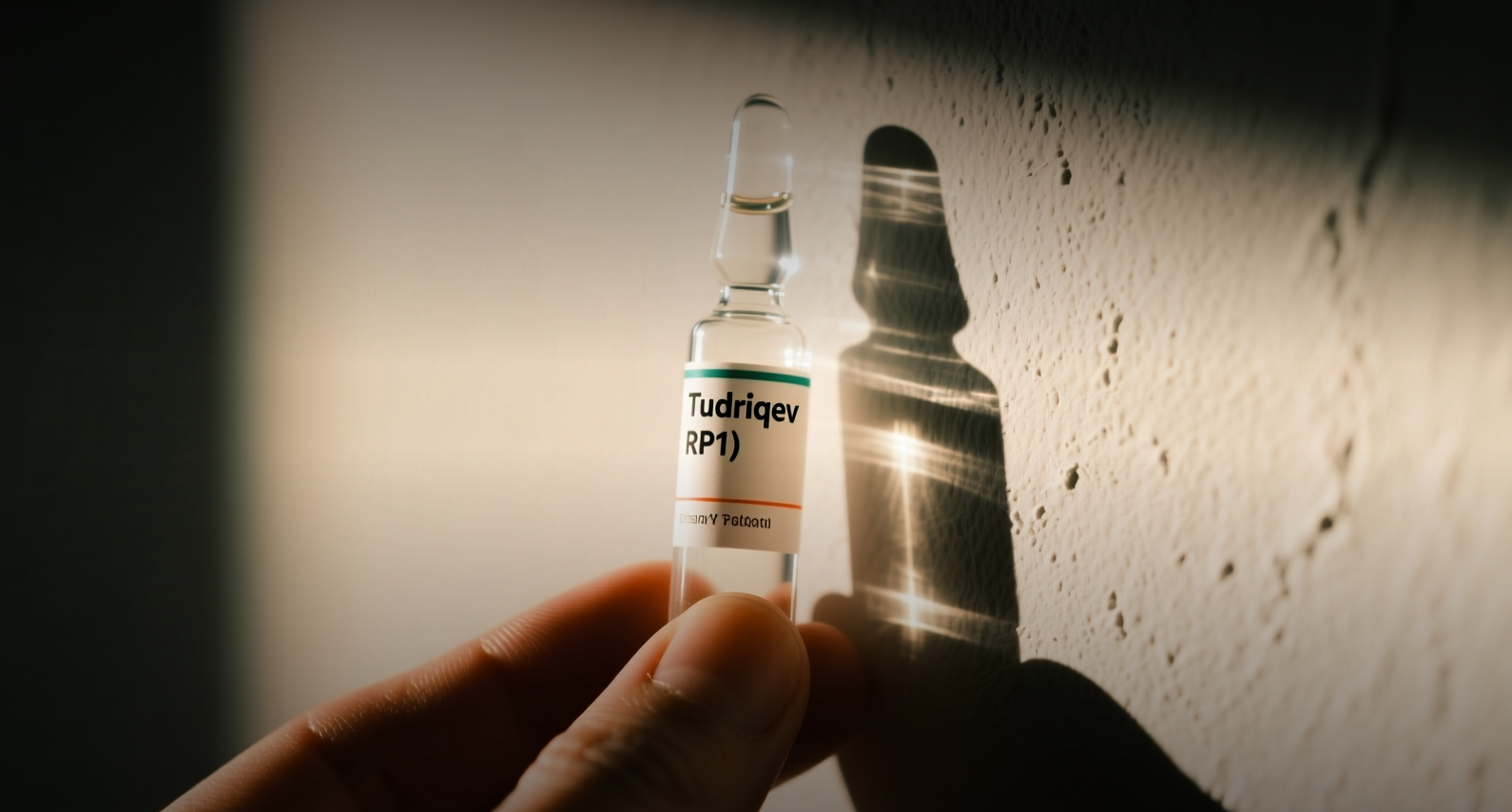
The approval covers RP1, marketed as Tudriqev, combined with Bristol Myers Squibb's immunotherapy Opdivo for adults with advanced melanoma who progressed on a prior anti-PD-1 regimen. The decision rests on the single-arm IGNYTE trial of 140 patients, which posted a 33.6 percent objective response rate by modified RECIST v1.1 criteria, including a 15 percent complete response rate, and a median duration of response exceeding 35 months in a later analysis. A three-year landmark analysis presented at the American Society of Clinical Oncology meeting showed median overall survival of 32.9 months, with survival rates of 75.3 percent at one year and 47.8 percent at three years.
The clearance hands Replimune its first approved product after the FDA rejected the application in July 2025 and again in April 2026, with staff reviewers arguing the single-arm design could not separate a genuine systemic anti-cancer effect from a local injection effect. The company has not disclosed a price for Tudriqev, and the confirmatory phase 3 IGNYTE-3 trial, which randomizes patients against a physician's choice comparator, remains ongoing.
A Regulatory Path Shaped by Two Rejections
RP1 is a genetically modified herpes-simplex virus that doctors inject directly into tumors, where it is designed to kill cancer cells and trigger an immune response against lesions elsewhere in the body. The approach places Replimune in a small field of oncolytic virus developers, competing most directly with Amgen's Imlygic, the only other FDA-approved oncolytic therapy for melanoma.
The FDA's Cellular, Tissue, and Gene Therapies Advisory Committee voted 10-3 on July 30 that the combination's benefit-risk profile was favorable, even as agency staff flagged that response measurements using RECIST v1.1 criteria could be inflated because shrinkage in injected lesions might reflect a local procedure effect rather than systemic antitumor activity. Reviewers also noted the absence of an Opdivo-only control arm prevented attribution of incremental benefit to RP1, and that overall survival data could not be reliably interpreted.
What the Approval Means for Replimune
The clearance supports Replimune's oncolytic platform after a bruising stretch in which its shares fell nearly 32 percent on July 28, when FDA staff documents raised fresh doubts ahead of the advisory meeting. The stock had dropped about 47 percent over five straight sessions of losses before the panel vote.
Replimune has not disclosed Tudriqev's price, and the accelerated approval carries a post-marketing requirement to confirm benefit through the ongoing IGNYTE-3 trial. For a company that had no approved products and was funding development through cash reserves, the clearance opens a new revenue stream and strengthens its position as it advances additional oncolytic candidates across other tumor types.
This article is for informational purposes only and does not constitute investment advice.
