
Boston Fed President Susan Collins said the central bank may need to keep monetary policy tight, stating that bringing inflation to the 2% target remains the priority.
Boston Fed President Susan Collins said the central bank may need to keep monetary policy tight, stating that bringing inflation to the 2% target remains the priority.
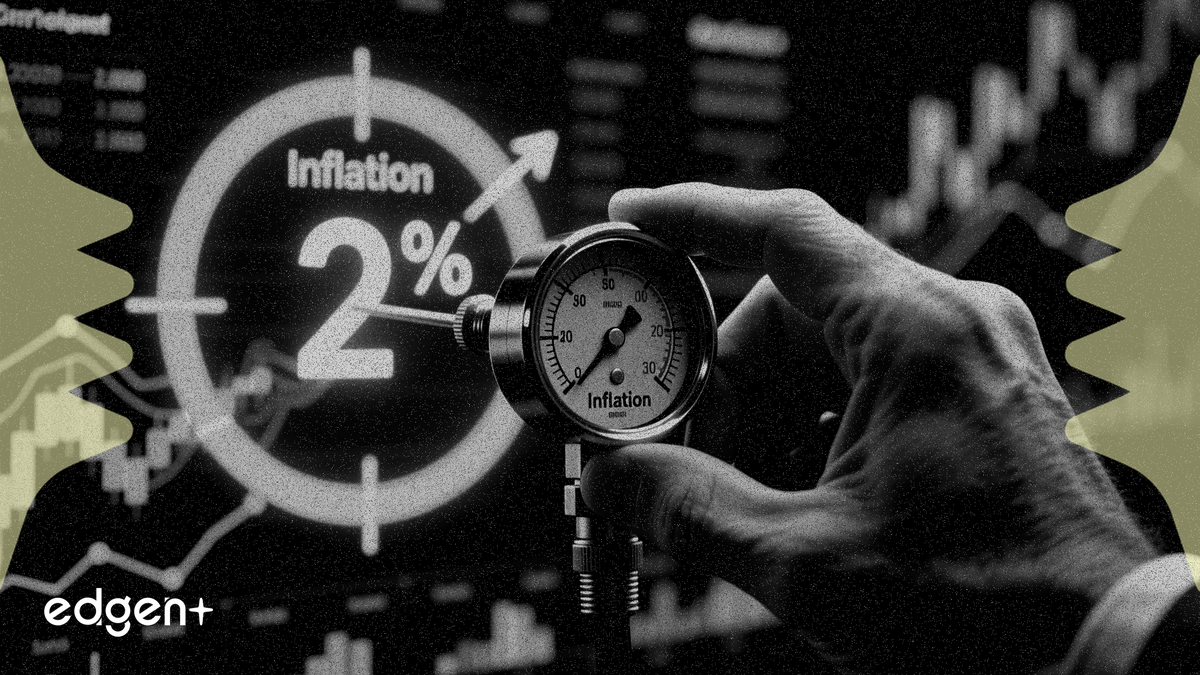
(P1) Boston Federal Reserve President Susan Collins reiterated the central bank’s commitment to returning inflation to its 2% target in a “reasonable” timeframe, seeing a potential scenario that would require the FOMC to maintain its restrictive policy stance.
(P2) "I am particularly concerned about the risks of inflation," Collins said in remarks released Tuesday, adding that she cannot take for granted that inflation expectations are anchored and that her patience for looking past supply-side shocks has decreased.
(P3) The hawkish remarks came as markets digested a hotter-than-expected Producer Price Index report, which showed a 1.4% monthly gain for April. In response, the Dow Jones Industrial Average fell 233 points, or 0.47%, while the benchmark 10-year Treasury yield held firm around 4.46% as traders repriced the path for monetary policy.
(P4) Collins’ comments reinforce the market’s view that the Fed is in no hurry to cut rates from their current 23-year high. According to CME FedWatch data, traders see a more than 97% probability of rates remaining unchanged at the June meeting, with the central bank focused on persistent price pressures.
While long-term inflation expectations remain consistent with the Fed's 2% goal, Collins highlighted that inflation metrics excluding housing are not yet aligned with the target. This specific concern points to the breadth of price pressures that the Federal Open Market Committee is still battling, even as the headline rate has fallen from its 2022 peak. The current federal funds rate stands at 5.25% to 5.50%, a level it has maintained since July 2023.
The sentiment was echoed in broader market movements Tuesday. The U.S. Dollar Index (DXY) rose to a 13-day high of 98.598 as investors favored the greenback amid the prospect of sustained higher rates. The market's focus remains squarely on inflation data and Fed commentary for signals on whether policymakers could begin easing later in 2026.
Investor uncertainty is being compounded by geopolitical factors, including President Donald Trump’s visit to China and ongoing tensions surrounding the Iran conflict. Trump noted that preventing Tehran from obtaining a nuclear weapon remains a priority, a stance that adds a layer of risk for global markets and energy prices.
Despite the broader market weakness, artificial intelligence and semiconductor stocks remained a bright spot. Companies like Nvidia and Taiwan Semiconductor Manufacturing Company continued to attract investor focus, supported by the long-term growth theme of AI, even as higher interest rates create short-term volatility for growth-oriented sectors.
This article is for informational purposes only and does not constitute investment advice.
