

페라리는 첫 번째 전기차인 '루체(Luce)'를 통해 치밀하게 계산된 위험을 감수하고 있으며, 경쟁사들이 주춤하는 사이 자사의 브랜드 가치가 성공을 거둘 수 있을 것이라는 데 승부수를 던졌습니다.
페라리는 첫 번째 전기차인 '루체(Luce)'를 통해 치밀하게 계산된 위험을 감수하고 있으며, 경쟁사들이 주춤하는 사이 자사의 브랜드 가치가 성공을 거둘 수 있을 것이라는 데 승부수를 던졌습니다.
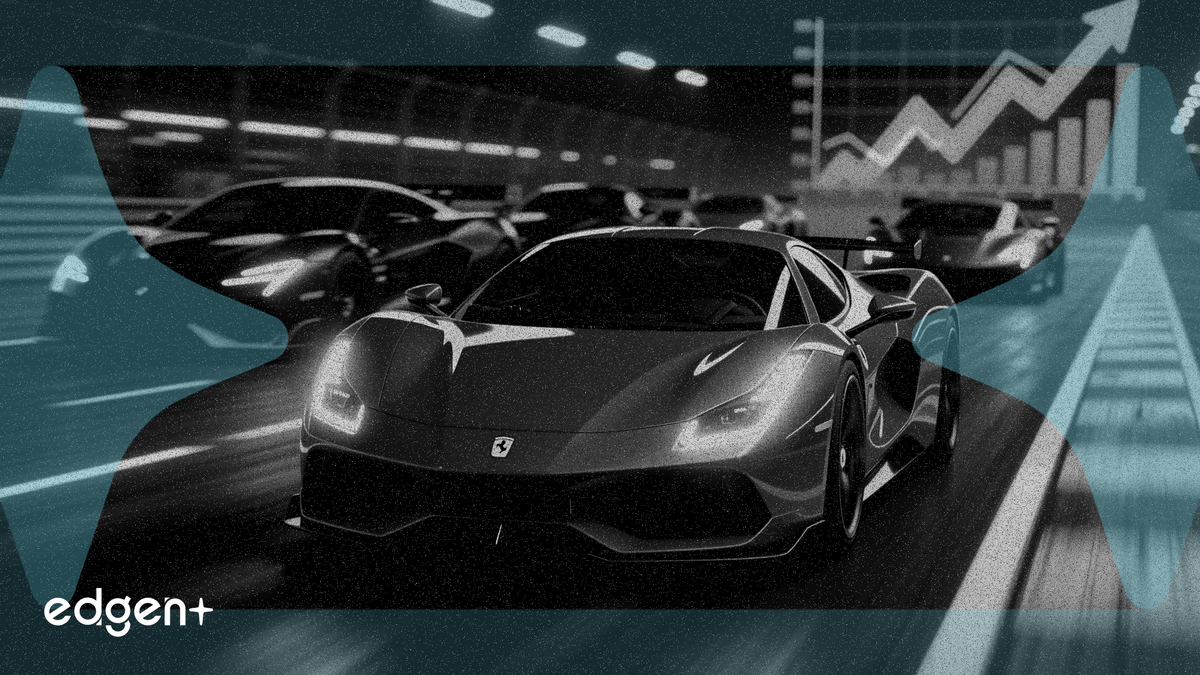
페라리(Ferrari NV)가 50만 유로(58.6만 달러)를 상회하는 가격의 첫 번째 순수 전기차인 4도어 모델 '루체(Luce)'를 공개할 예정입니다. 이는 브랜드의 정체성이 상징적인 내燃 기관 없이도 번영할 수 있는지를 시험하는, 주춤거리는 전기 슈퍼카 시장을 향한 전략적 도약입니다.
컨설팅 업체 그랜트 손튼 스택스(Grant Thornton Stax)의 필 던(Phil Dunne) 전무이사는 "이는 위험이자 일종의 도박이지만, 그들이 길을 선도하고 있다는 점에서 긍정적인 일"이라고 평가했습니다.
이탈리아어로 '빛'을 뜻하는 루체는 최고 시속 310km를 자랑하며, 5월 25일 로마에서 공식 출시된 후 10월부터 첫 고객 인도가 시작될 예정입니다. 전 애플 디자이너 조니 아이브(Jony Ive)의 스튜디오 '러브프롬(LoveFrom)'과의 협업으로 개발된 이 프로젝트는 마라넬로 본사에 신설된 전기화 전략 전용 'e-빌딩'의 지원을 받습니다.
이번 출시는 경쟁사들의 전기차 야망이 흔들리는 배경 속에서 이루어졌습니다. 람보르기니는 최근 전기 슈퍼카 '란자도르(Lanzador)' 계획을 취소했으며, 스테판 윙켈만 CEO는 타깃 시장의 전기차에 대한 관심이 "거의 제로"에 가깝다고 밝힌 바 있습니다. 뉴욕과 밀라노 증시에 상장된 페라리에게 루체는 투자자 신뢰의 '결정적 변수'이며, 중국 비야디(BYD)의 양왕 U9과 같은 라이벌들이 시장을 지배하기 전에 럭셔리 전기차의 정의를 내릴 수 있을지를 가늠하는 시험대가 될 것입니다.
페라리의 핵심 과제는 V8 및 V12 엔진의 강렬한 경험을 조용한 전기차 포맷에서 재현하는 것입니다. 회사는 가짜 엔진음을 사용하는 대신, 전기 파워트레인의 자연스러운 진동을 증폭시키는 특수 사운드 시스템을 개발하여 독특하면서도 정통성 있는 페라리 사운드를 지향하고 있습니다. 이는 엔진 소리가 브랜드 매력의 필수 요소인 순수주의자들과 수집가들의 주요 우려 사항을 해결하기 위함입니다.
4도어 전기차로의 진출은 회사의 첫 SUV인 '푸로산게(Purosangue)'—회사는 이를 'FUV'(페라리 유틸리티 차량)라고 부를 것을 고집합니다—를 통해 취했던 것과 유사한 전략적 위험입니다. 초기에는 회의적인 시각도 있었으나, 푸로산게는 생산 첫해 물량이 완판되며 브랜드가 핵심 정체성과 독점성을 유지하면서도 새로운 카테고리로 확장할 수 있음을 입증했습니다. 페라리는 루체 또한 전기화에 더 개방적인 부유한 젊은 세대를 끌어들여 비슷한 결과를 낳기를 기대하고 있습니다.
일부 경쟁사들이 물러서는 동안 페라리는 대규모 투자를 단행하고 있으나, 자체적인 기대치는 다소 조정했습니다. 페라리는 2030년까지 전체 라인업 중 전기차 비중을 기존 40%에서 20%로 하향 조정하며, 인기 있는 하이브리드 및 전통 내연기관 모델에 대한 지속적인 의지를 시사했습니다.
블룸버그 보고서에 따르면, 금융 분석가들은 페라리를 전통적인 자동차 회사보다는 에르메스(Hermès)와 같은 패션 하우스에 더 가깝게 보며 초호화 자동차 가치 평가의 기준으로 간주합니다. 핵심 사업이 충분히 강력하기 때문에 루체가 반드시 블록버스터가 될 필요는 없습니다. 그러나 엘리트 기업으로서 전기차 시장 진출은 브랜드의 탄력성과 미래 경쟁력을 확인하는 중대한 시험입니다. 투자자들의 주요 관심사는 여전히 독점성 유지와 새로운 기술에 대해 초프리미엄 가격을 책정할 수 있는 능력입니다.
카 인더스트리 애널리시스(Car Industry Analysis)의 펠리페 무뇨스(Felipe Munoz)는 "지금 당장 전기 슈퍼카가 필요하지 않을 수도 있습니다. 하지만 전기화는 장기적인 흐름이며, 페라리는 움직여야 합니다"라며 "다른 누군가가 정의하기 전에 럭셔리 전기화가 무엇인지를 스스로 정의해야 합니다"라고 말했습니다.
이 기사는 정보 제공만을 목적으로 하며 투자 조언을 구성하지 않습니다.
