

Key Takeaways:
- First Trust Nasdaq Semiconductor ETF returned 161% over the past 12 months
- Fund weights holdings by cash flow, not market capitalization
- Portfolio of 34 chip stocks led by Intel, Micron, and Marvell Technology
Key Takeaways:
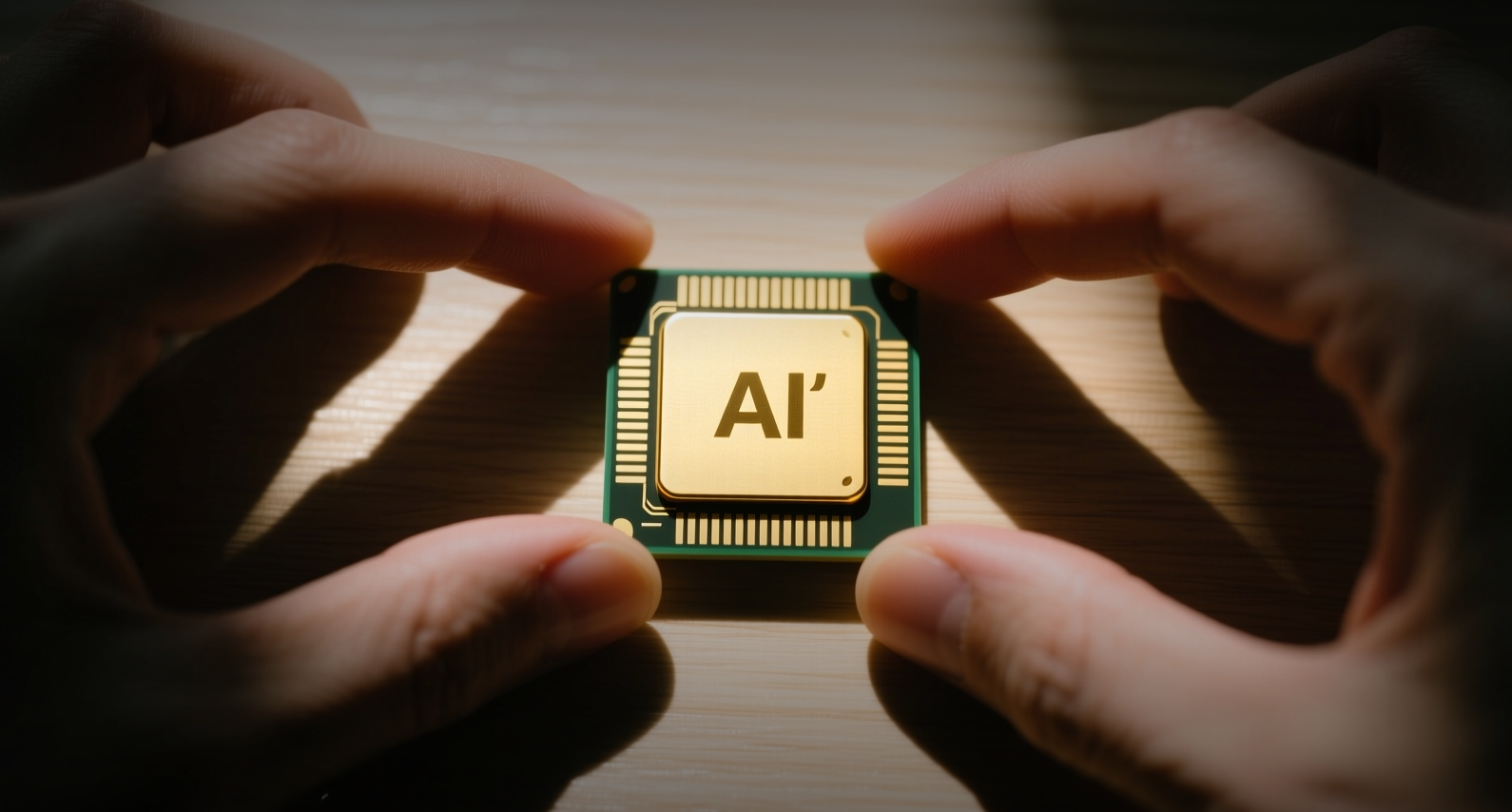
The First Trust Nasdaq Semiconductor ETF has returned 161% over the past year by favoring cash flow over hype in AI chip stocks.
The First Trust Nasdaq Semiconductor ETF has emerged as one of the best-performing chip funds over the past year, returning 161% through July 8, by weighting holdings by cash flow rather than market capitalization — a structure that avoids overexposure to richly valued AI momentum stocks.
"The fund's methodology screens for quality first — gross income, return on assets, momentum, and cash flow — then weights by actual cash generation," said Rachel Kim, semiconductor analyst at Edgen. "That means the most stable growers get the largest allocations, not the stocks with the most hype."
The ETF tracks the Nasdaq US Smart Semiconductor index, selecting 30 to 50 chip stocks with the best composite scores across four factors. Its current portfolio holds 34 names, with Intel, Micron Technology, and Marvell Technology as the three largest positions. The fund has returned 98% year to date and 161% over the trailing 12 months, outperforming many larger semiconductor ETFs. On an annualized basis, FTXL has returned 54.4% over three years and 30.7% over five years.
The fund's cash-flow weighting provides a natural hedge in a market where AI-related chip stocks trade at elevated multiples. By excluding companies with strong momentum but weak cash generation, FTXL offers exposure to the semiconductor supply chain without the valuation risk concentrated in the highest-flying AI names. For investors concerned that AI infrastructure spending may not translate into proportional profits for every chipmaker, the ETF's quality screen addresses that gap directly.
Why Cash Flow Weighting Matters Now
The semiconductor sector has been the primary beneficiary of the AI boom, with chip stocks surging as hyperscalers pour capital into data center infrastructure. But the rally has created a valuation divergence: companies with direct AI exposure trade at significant premiums, while diversified semiconductor firms with steady cash flows have lagged.
FTXL's methodology addresses this by ranking stocks on four quality factors — gross income, return on assets, momentum, and cash flow — then weighting the portfolio by cash flow rather than market cap. This means a company generating strong free cash flow receives a larger allocation regardless of its stock price momentum, while a high-flying AI name with minimal cash flow gets a smaller weight.
The approach has produced returns that stack up well against larger chip ETFs. The VanEck Semiconductor ETF (SMH) has returned roughly 64% year to date, while the iShares Semiconductor ETF (SOXX) and Invesco Semiconductors ETF (PSI) have posted comparable gains. FTXL's 98% year-to-date return places it among the top-performing semiconductor funds that do not use leverage.
Portfolio Construction and Diversification
With 34 holdings and a cap on any single position's weight, FTXL offers broader diversification than some of its peers. The fund's top three positions — Intel, Micron, and Marvell — represent a mix of memory, networking, and integrated device manufacturing, providing exposure across multiple semiconductor sub-sectors rather than concentrating solely in AI accelerators.
Intel, the fund's largest holding, has been investing heavily in its foundry business to compete with TSMC. Micron benefits from the memory cycle tied to AI training workloads. Marvell provides custom silicon and networking solutions for data center customers. Together, they offer a diversified semiconductor exposure that captures AI demand without betting exclusively on GPU designers.
The Investment Case
For investors looking to participate in the AI-driven semiconductor cycle while managing valuation risk, FTXL's quality-focused construction offers a differentiated approach. The fund trades on the Nasdaq under the ticker FTXL and carries an expense ratio typical of smart-beta ETFs. Its five-year annualized return of 30.7% demonstrates that the quality screen has worked across market cycles, not just during the current AI boom.
The key risk is that the fund's underweight to high-momentum AI names could cause it to lag during periods when speculative chip stocks lead the market. But for investors who prioritize cash-flow sustainability over momentum chasing, FTXL provides a structural advantage that most semiconductor ETFs do not offer.
This article is for informational purposes only and does not constitute investment advice.
