
Key Takeaways
- ギャラクシー・デジタルはビットライセンスと送金ライセンスを取得し、ニューヨークでの直接的な機関投資家向けサービスの提供が承認されました。
- この承認により、ギャラクシーは90億ドル規模のプラットフォームを通じて、ヘッジファンドやファミリーオフィスに規制された取引およびカストディサービスを提供できるようになります。
- ギャラクシーは2026年にビットライセンスを取得した2番目の企業であり、40社未満のライセンス保有者グループに加わりました。
Key Takeaways
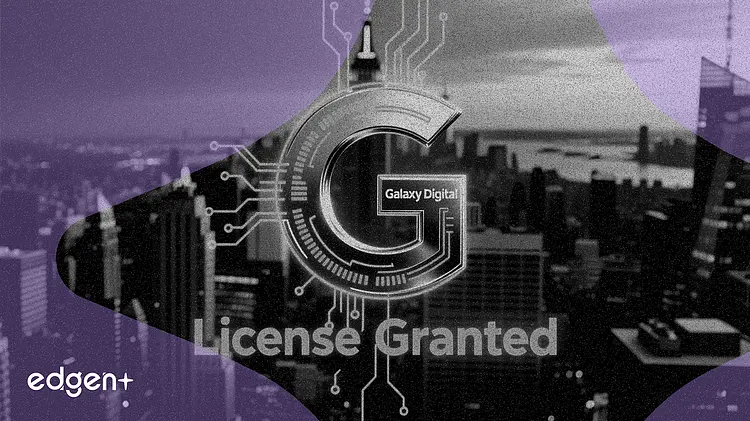
ギャラクシー・デジタルは5月18日、ニューヨーク州金融サービス局からビットライセンスを取得し、同州内で直接、機関投資家向け仮想通貨取引およびカストディサービスを提供することが承認されました。この承認は、約90億ドルの顧客資産を管理する同社のプラットフォームを対象としています。
ギャラクシーの創設者兼CEOであるマイク・ノボグラッツ氏は、「ニューヨークには国内で最も厚い機関投資家資本が集まっており、デジタル資産はもはやそれらの配分の端に位置するものではありません。ギャラクシーはその需要に応えるために設立されました。今後はニューヨークの機関投資家に直接、より良いサービスを提供できるようになります」と述べました。
今回の二重承認には、同社のGalaxyOne Prime NY部門に対する送金ライセンスも含まれており、ヘッジファンド、登録投資顧問業者、ファミリーオフィスのオンボーディングが可能になります。ギャラクシーは現在、世界中で50以上のライセンスを保持しており、2026年にビットライセンスを取得した企業としては、3月の決済企業ストライク(Strike)に続き2社目となります。
このライセンスは、以前は間接的な手段でしかアクセスできなかった米国最大の機関投資家資本が集中する市場への直接アクセスをギャラクシーに提供し、大きな商業的優位性をもたらします。しかし、規制面での勝利にもかかわらず、ニュースが流れた当日、ギャラクシー(GLXY)の株価は約7%下落しました。
2015年に導入されたニューヨークのビットライセンスの枠組みは、米国で最も厳しい仮想通貨規制体制であると広く認識されています。申請プロセスには、コンプライアンスやサイバーセキュリティプログラムに関する広範な審査が含まれ、弁護士費用やコンサルティング費用に数百万ドルかかることもあり、参入障壁は非常に高くなっています。
その結果、ライセンスの取得に成功した企業は40社に満たず、ギャラクシー・デジタルはコインベース(Coinbase)のような大手取引所やサークル(Circle)のようなステーブルコイン発行体を含む限定的なグループに加わることになりました。機関投資家向けインフラに注力するギャラクシーへの承認は、主に個人向けにビットコイン決済や給与変換サービスを提供する、今年唯一の他のライセンス取得者であるストライクとは対照的です。厳しい要件は中小企業を州外に追い出すとして批判を浴びていますが、支持者たちは、この枠組みがより広範な機関投資家の導入を加速させる可能性のある準拠した道筋を提供していると主張しています。
この記事は情報提供のみを目的としており、投資アドバイスを構成するものではありません。
