
New Jersey motorists saw the biggest weekly drop in gas prices in months as optimism over a US-Iran peace deal tempered global supply concerns.
New Jersey motorists saw the biggest weekly drop in gas prices in months as optimism over a US-Iran peace deal tempered global supply concerns.
New Jersey motorists saw the biggest weekly drop in gas prices in months as optimism over a US-Iran peace deal tempered global supply concerns.
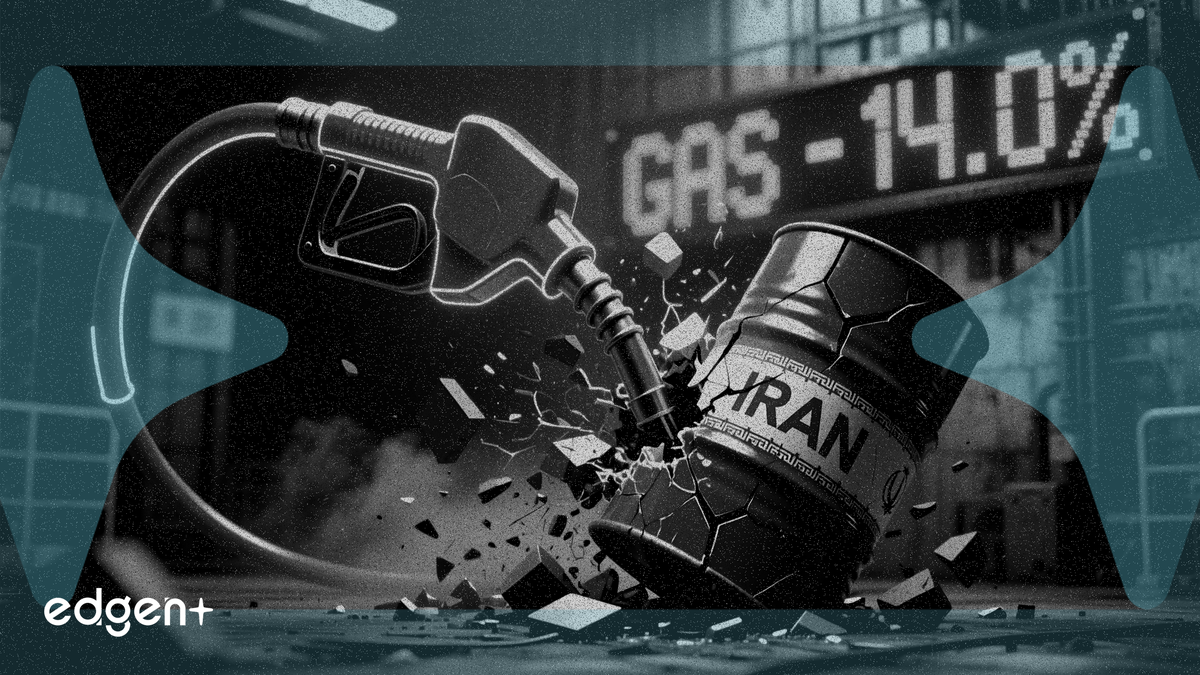
Gasoline prices in New Jersey fell more than 14 cents a gallon over the past week to an average of $4.34, the steepest weekly decline in months, as hopes for a US-Iran peace deal eased fears of supply disruptions from the Strait of Hormuz.
"Average gasoline prices declined in all 50 states over the last week, with GasBuddy now tracking 15 states where the average price of gasoline has fallen below $4 per gallon, offering motorists some of the most widespread relief seen in weeks," said Patrick De Haan, head of petroleum analysis at GasBuddy.
New Jersey prices remain 2.2 cents lower than a month ago but stand $1.36 a gallon higher than a year ago. Diesel prices also posted a substantial decline, falling more than 15 cents a gallon nationally, according to GasBuddy data. In South Jersey, Atlantic City gas averaged $4.373 a gallon, while Cape May remained the highest in the region at $4.608.
The relief at the pump may prove short-lived. Oil prices edged higher Sunday evening as uncertainty around a potential deal persisted and renewed Israeli attacks added another layer of geopolitical risk. President Donald Trump said on CNBC that oil prices will drop "like a rock" in the short term, though prediction markets suggest traders remain skeptical — pricing a 21.5% chance of crude reaching a new all-time high by Sept. 30.
The conflicting signals underscore the fragile nature of the current détente. Iran has threatened to completely block the Strait of Hormuz — a chokepoint for about 20% of global oil shipments — citing ceasefire violations, while the US has signaled willingness to negotiate. Any setback in talks could quickly reverse the recent decline in fuel prices, De Haan warned.
The strategic waterway remains the focal point for market participants. Iran's threat to block the strait would represent a supply shock unseen in decades, potentially removing millions of barrels a day from global markets. The last major disruption to Hormuz traffic, during the Iran-Iraq war in the 1980s, sent crude prices surging more than 50% over six months.
Trump's prediction of sharply lower prices contrasts with the market's current pricing. The "Crude Oil All Time High Predictions" market shows a 21.5% probability of oil reaching a new record by Sept. 30, up from 20% in the past 24 hours — suggesting traders see heightened geopolitical risk despite diplomatic signals.
The timing is particularly sensitive for US consumers. The national average gasoline price has fallen below $4 a gallon in 15 states, according to GasBuddy, offering some relief heading into the summer driving season. But New Jersey prices at $4.34 remain well above the $2.98 average from a year earlier, and any renewed escalation could push prices higher just as demand peaks.
"However, the coast is anything but clear," De Haan said. "While motorists may continue to see some short-term relief, some price-cycling states could soon experience another upward swing as retailers run out of room to lower prices further."
This article is for informational purposes only and does not constitute investment advice.
