

Geely Automobile crossed a threshold that only a handful of Chinese automakers have reached: 100,000 vehicles exported in a single month.
Geely Automobile crossed a threshold that only a handful of Chinese automakers have reached: 100,000 vehicles exported in a single month.
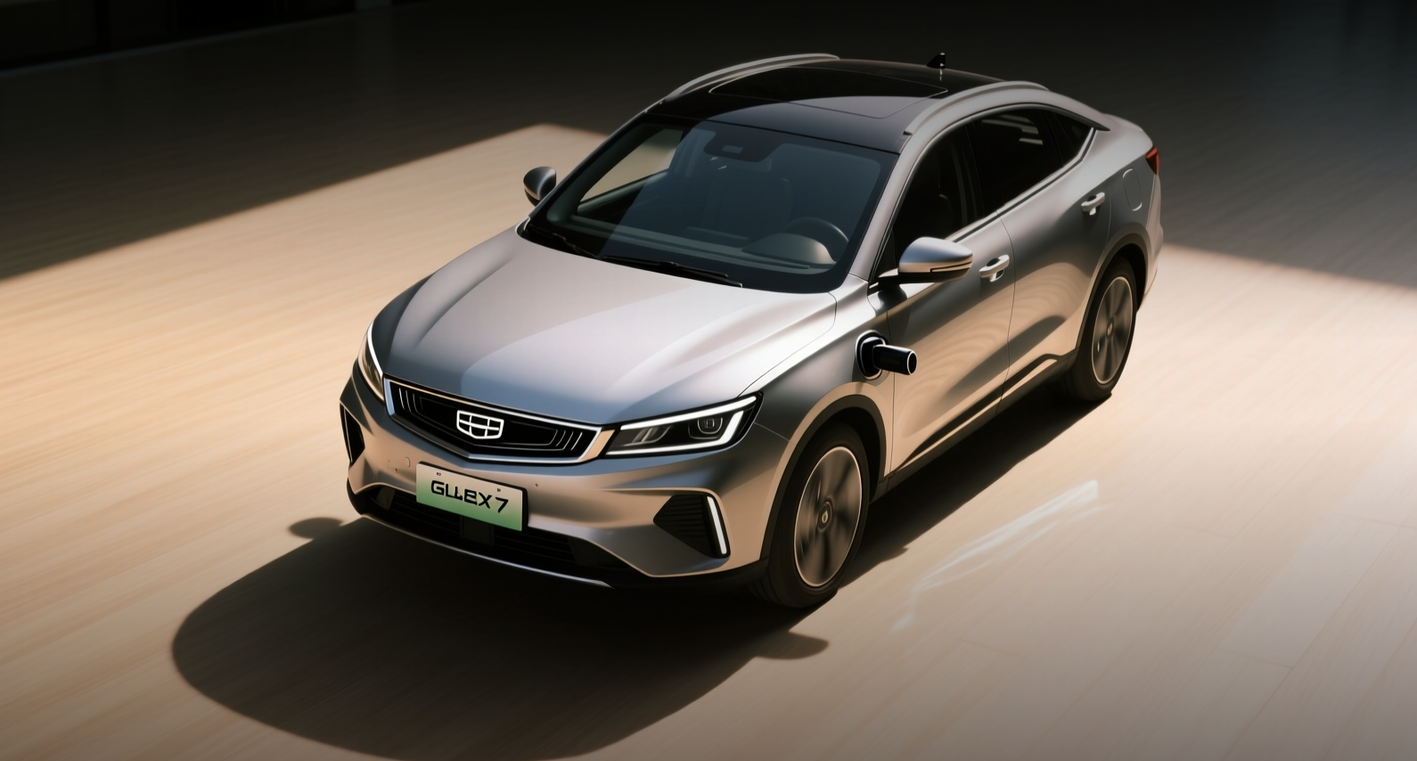
Geely Automobile crossed a threshold that only a handful of Chinese automakers have reached: 100,000 vehicles exported in a single month.
Geely Automobile Holdings Ltd. exported 102,874 vehicles in June, up 157 percent from a year earlier and 21 percent from May, marking the first time the company has surpassed 100,000 monthly export units. The milestone pushed first-half cumulative exports to 474,228 units, a 158 percent increase that already exceeds the company's full-year 2025 export total.
"Geely's export growth is no longer just about volume — it's about the mix shifting decisively toward new energy vehicles," said Lucas Herrera, an energy transition analyst covering the EV supply chain. "When 60 percent of your exports are NEVs, you're competing in the premium segments, not just dumping combustion cars into emerging markets."
New energy vehicles drove the shift. Geely exported 277,189 NEVs in the first half, up 585 percent from a year earlier, accounting for roughly 60 percent of total overseas shipments. Overall, the company sold 240,799 vehicles in June, its fourth consecutive month of year-over-year and month-over-month growth, with NEVs making up 67 percent of the mix at 161,449 units. First-half total sales reached 1,422,958 units, a record for the period.
The export milestone signals a structural change in how Chinese automakers approach overseas markets. China exported about 809,000 passenger vehicles in May, with NEVs accounting for more than half, according to the China Association of Automobile Manufacturers. Geely's June export figure alone represents roughly 13 percent of that monthly national total. But the company now faces a harder challenge: converting volume into sustainable profit as trade barriers rise.
Galaxy and Zeekr Lead the Overseas Push
Geely's Galaxy brand, its mainstream NEV line, sold 108,206 vehicles in June and 519,793 in the first half. The Galaxy Starship 7 plug-in hybrid has entered 57 countries across Asia, Europe, the Americas and Australia. In Croatia, it became the top-selling PHEV across all brands in its launch month, and in Australia it ranked as the best-selling midsize PHEV SUV in May. The Galaxy Xingyuan (Star愿) topped Uruguay's single-model sales chart in its second month on the market and is slated for local production at the Renault-Gelely Brazil joint venture's Ayrton Senna Complex.
Zeekr, Geely's premium EV brand, delivered 35,169 vehicles in June, up 111 percent year over year, and 178,370 in the first half, bringing its global cumulative deliveries past 820,000 units. The Zeekr 9X, with an average transaction price above 530,000 renminbi (about $73,000), is scheduled to enter the Middle East later this year, followed by Europe, Latin America and Central Asia. Zeekr now operates in more than 50 countries with over 650 stores.
Trade Barriers Test the Export Model
The European Union has imposed anti-subsidy tariffs on Chinese-made EVs, and ongoing trade negotiations between Beijing and Brussels cover market access, local content requirements and data compliance. For Geely, which owns stakes in Volvo, Proton, Renault Korea and Renault Brazil, the response involves shifting from pure vehicle exports to localized production, assembly and service networks. The Renault-Gelely Brazil plant is one example; similar localization efforts will determine whether Geely can protect margins as tariffs rise.
Geely shares traded on the Hong Kong Stock Exchange have gained this year as the market priced in the company's expanding addressable market. But the next phase — converting export scale into profit margins comparable to global peers — will require navigating tariff regimes, building local service infrastructure and maintaining brand positioning across dozens of markets simultaneously. The company has secured its place in China's export first tier. Whether it can translate that into durable earnings is the question that will define its next chapter.
This article is for informational purposes only and does not constitute investment advice.
