

Geely will deliver the first Chinese-built Lotus EVs to Canada next month under a trade agreement that allows up to 49,000 Chinese electric vehicles into the country annually at reduced tariff rates, opening a new front in the global EV market.
Geely will deliver the first Chinese-built Lotus EVs to Canada next month under a trade agreement that allows up to 49,000 Chinese electric vehicles into the country annually at reduced tariff rates, opening a new front in the global EV market.
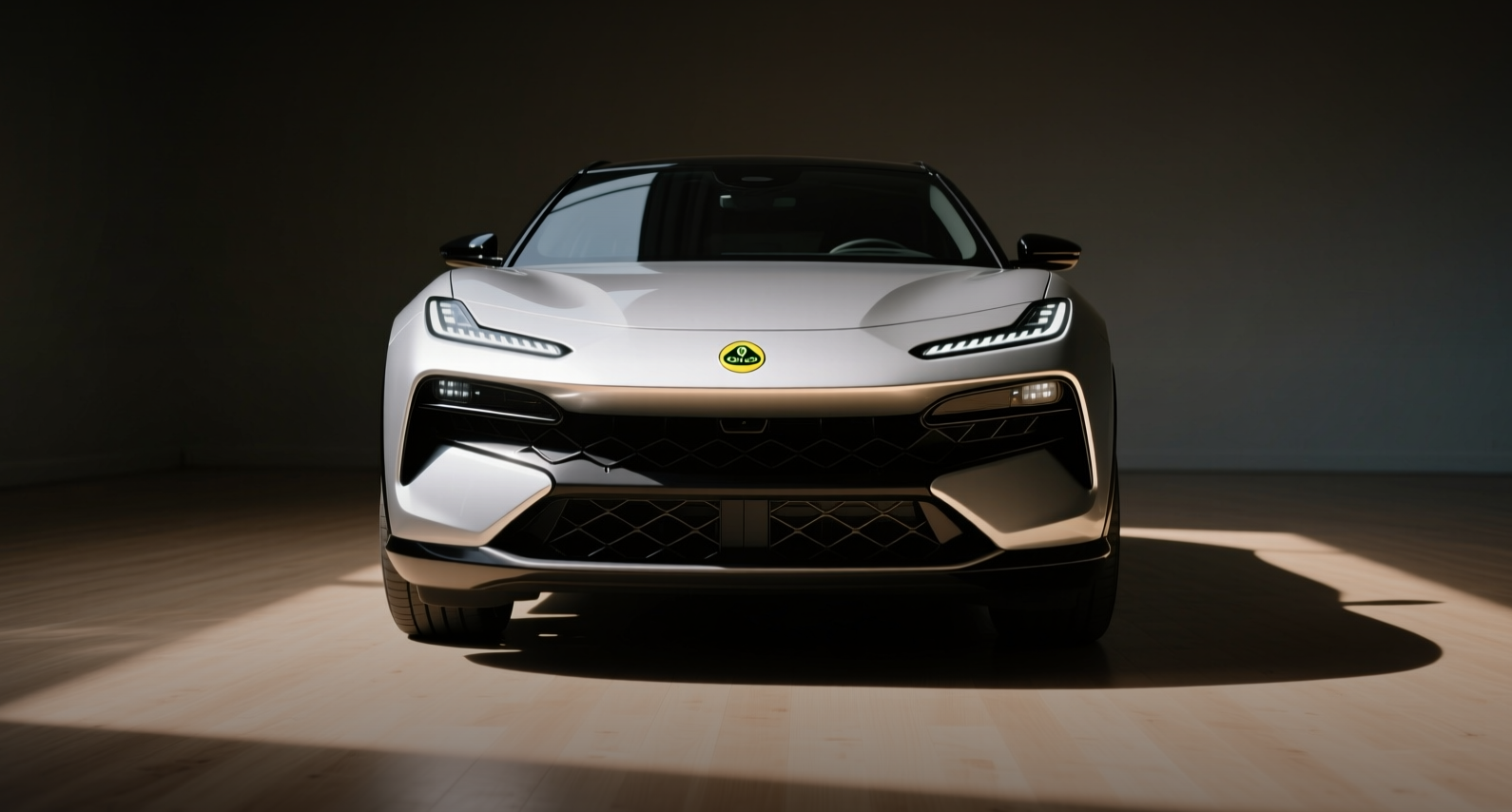
Geely Holding Group will deliver the first batch of Chinese-built Lotus electric vehicles to Canada next month, the first shipment under a trade agreement between Prime Minister Mark Carney and President Xi Jinping that allows up to 49,000 Chinese EVs into the country annually at a reduced tariff rate of about 6 percent.
"Geely EVs will be arriving in Canada next month and they will be holding a ceremony when the cars are delivered in Montreal," Wang Di, China's ambassador to Canada, told Reuters on Friday. The luxury Lotus Eletre SUV, priced from about CAD 119,900 ($84,000), will compete directly with the Porsche Macan Electric and Tesla Model X in the premium segment.
The quota, which increases by 6.5 percent annually to reach roughly 67,000 vehicles by 2031, marks a sharp divergence from U.S. policy. Washington has maintained 100 percent tariffs on Chinese-built EVs and tightened rules of origin under the USMCA renegotiation, effectively barring Chinese-made vehicles from the American market. Polestar, another Geely-affiliated brand, is expected to stop selling new vehicles in the U.S. beginning with the 2027 model year because of the restrictions.
The Carney government broke with the United States in January by agreeing to scale back Canada's 100 percent tariff on Chinese EVs in exchange for Beijing reducing retaliatory levies on Canadian canola products and other agricultural shipments. Industry Minister Mélanie Joly said Monday the quota system is "already set" and that Chinese automakers can only access Canada through the import quota or a joint venture that is majority Canadian-owned, uses Canadian parts, and meets data security requirements.
BYD and Chery are coordinating with Canadian regulators to complete certification procedures, with Ambassador Wang saying he hopes "other Chinese brand EVs will complete the procedures and get into the Canadian market" by autumn. BYD Executive Vice President Stella Li recently told Reuters the company would likely start sales next year. Some vehicles from both companies have already arrived in Canada for testing.
Chinese EV makers are also exploring potential investments in Canada's auto supply chain, though executives are focused first on building sales and dealer networks before committing to joint ventures. Joly met with BYD, Chery, Geely and Shanghai Launch Automotive Technology during a visit to China last week to discuss possible investments.
The trade agreement extends well beyond EVs. Canadian exports to China have risen 27.5 percent in the five months since Carney's January visit, and Ambassador Wang said trade could more than double from current levels. Canada could supply nearly 22 million metric tons of crude oil to China annually, up from 15.5 million tons last year, while agricultural exports — canola, peas and beef — represent just 2 percent of Chinese agricultural imports, leaving substantial room for growth.
For investors, the arrival of Chinese EVs in Canada creates a two-sided picture. Tesla, which already imports Chinese-made vehicles into Canada, faces new competition in the premium segment from the Lotus Eletre, while legacy automakers could see pressure if BYD and Chery enter the mass market next year. Geely's ability to establish the Lotus brand in Canada also serves as a test case for whether Chinese automakers can build a premium foothold in a developed market without access to the United States.
This article is for informational purposes only and does not constitute investment advice.
