

Generac Holdings Inc. Chief Executive Officer Aaron Jagdfeld said data center power demand is driving an infrastructure cycle unlike any the industry has seen, forecasting a 5- to 7-year buildout.
Generac Holdings Inc. Chief Executive Officer Aaron Jagdfeld said data center power demand is driving an infrastructure cycle unlike any the industry has seen, forecasting a 5- to 7-year buildout.
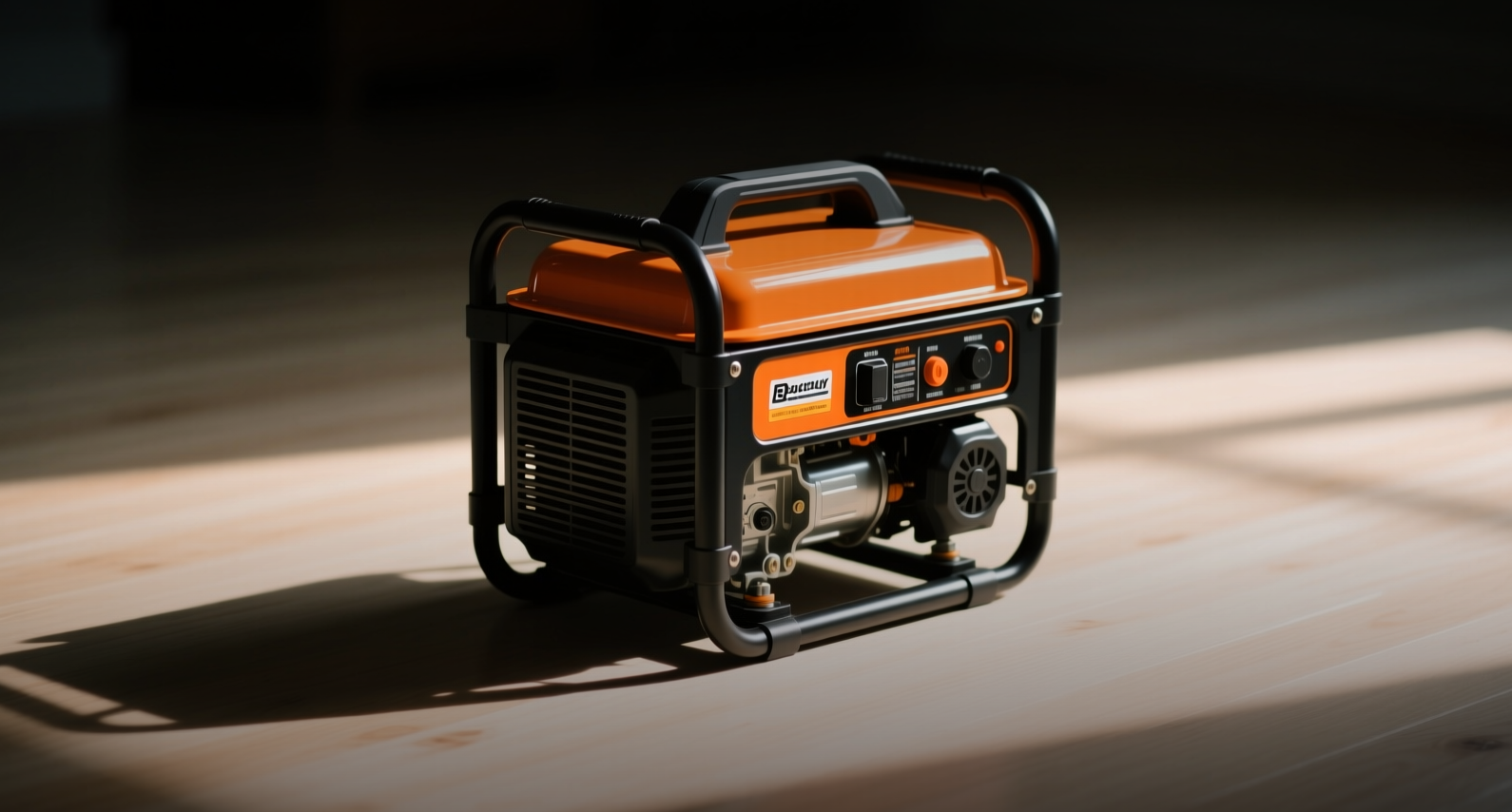
Generac Holdings Inc. Chief Executive Officer Aaron Jagdfeld said the data center industry's demand for backup power is fueling an infrastructure cycle "unlike anything we've ever seen before," with a buildout that could stretch 5 to 7 years.
"The demand we're seeing from data centers is unprecedented in both scale and duration," Jagdfeld said in a July 29 interview on CNBC. "This isn't a one-quarter or one-year phenomenon — it's a multi-year infrastructure cycle."
Generac, the Waukesha, Wisconsin-based maker of backup generators and power equipment, has seen its data center order book swell as hyperscalers including Amazon Web Services Inc., Microsoft Corp. and Alphabet Inc.'s Google race to secure reliable power for AI workloads. The company recently beat earnings estimates, with shares rising as investors priced in a longer-duration demand cycle tied to the AI infrastructure buildout.
A Supply Chain Ripple Effect
The 5- to 7-year timeline Jagdfeld outlined suggests the data center construction wave is still in its early innings, with implications for the entire power supply chain. Rivals including Caterpillar Inc. and Cummins Inc. compete in the backup generator market, while electrical equipment suppliers such as Eaton Corp. and Schneider Electric SE stand to benefit from the broader buildout. Vertiv Holdings Co., which provides thermal management and power distribution for data centers, has also cited surging demand from the sector.
Generac's data center exposure has become a growing focus for investors. The company's power generation segment has benefited as hyperscalers increasingly require backup power systems capable of supporting facilities that can consume 100 megawatts or more — enough to power roughly 80,000 homes. With Jagdfeld projecting a half-decade-plus buildout cycle, the addressable market for data center power infrastructure could run into the tens of billions of dollars.
Visibility Into Future Revenue
For Generac, the multi-year outlook provides rare visibility into future revenue streams. The company's generator systems are typically purchased during the construction phase of a data center, meaning the current order book reflects projects that may not come online for 2 to 3 years. That lag between order and delivery gives Generac a forward-looking indicator of demand that few equipment makers can match.
The buildout timeline also carries implications for grid infrastructure. Utilities must expand transmission capacity to serve new data centers, a process that often takes years and faces regulatory hurdles. Companies like Quanta Services Inc. and Dycom Industries Inc., which build and maintain electrical grid infrastructure, could see sustained demand as data center construction accelerates.
Generac shares have gained this year as the market reassesses the duration of the AI infrastructure cycle. The company's earnings beat, driven in part by data center orders, has reinforced the view that power infrastructure remains a bottleneck in the AI buildout — one that Jagdfeld expects to persist for years. For investors, the key question is whether the 5- to 7-year timeline proves conservative or optimistic as AI workloads continue to scale and drive demand for ever-larger data center campuses.
This article is for informational purposes only and does not constitute investment advice.
