
Billionaire Frank Giustra says the US seizure of $1 billion in crypto from Iran proves Bitcoin cannot function as digital gold.
Billionaire Frank Giustra says the US seizure of $1 billion in crypto from Iran proves Bitcoin cannot function as digital gold.
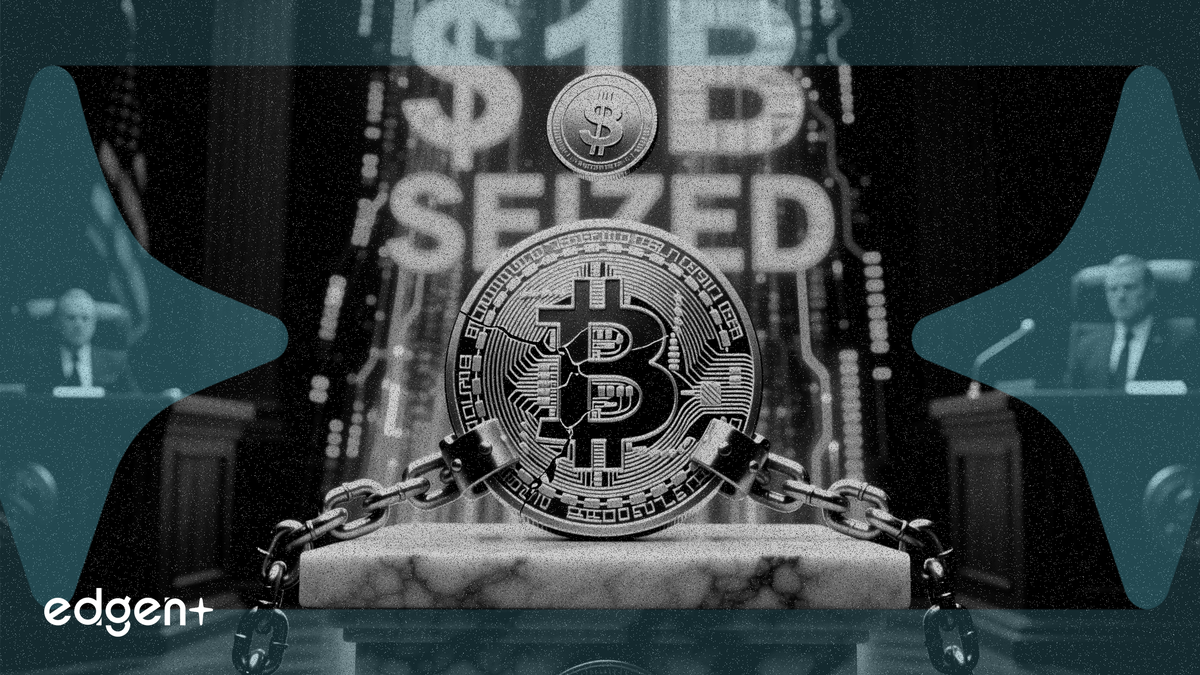
Billionaire Frank Giustra says the US seizure of $1 billion in crypto from Iran proves Bitcoin cannot function as digital gold.
The US Treasury's seizure of roughly $1 billion in cryptocurrency from Iran shows Bitcoin cannot serve as digital gold because governments can confiscate it, billionaire Frank Giustra said.
Giustra, founder of the Fiore Group and a prominent mining and finance billionaire, said the seizures demonstrate that cryptocurrency remains vulnerable to state intervention, undermining its claim to be a censorship-resistant asset comparable to gold.
Treasury Secretary Scott Bessent announced the seizures Friday at the Reagan National Economic Forum in Simi Valley, California, saying US authorities had "outright grabbed" wallets containing roughly $1 billion in cryptocurrency tied to Iran's Islamic Revolutionary Guard Corps. The operation, dubbed Operation Economic Fury, targets Iran's access to overseas revenue, banking networks and digital-asset infrastructure, according to a Treasury press release.
The debate carries implications for Bitcoin's investment thesis. Gold, which has functioned as a reliable asset for millennia, cannot be seized remotely by any government. If Bitcoin can be confiscated through wallet seizures, its market capitalization may be pricing in a property-rights guarantee that does not exist, Giustra argued.
Iran's Islamic Revolutionary Guard Corps has increasingly turned to cryptocurrency to bypass international sanctions. The IRGC promoted a Bitcoin-settled maritime insurance platform called Hormuz Safe, according to Iranian state-affiliated news agency Fars. In April, the Financial Times reported that Iran planned to require oil tankers passing through the Strait of Hormuz — through which 20 percent of the world's oil flows — to pay transit fees in Bitcoin.
The US campaign extends beyond digital assets. Bessent said the pressure campaign had contributed to Iran's inflation exceeding 200 percent, with large numbers of military personnel going unpaid and police officers failing to report for duty. Iranian authorities had resorted to food vouchers and internet shutdowns, he added.
The seizures add to a growing list of US government crypto confiscations. The FBI earlier this month seized a record $8 billion in Bitcoin from Cambodian scam compounds tied to organized crime, in what officials called the largest forfeiture in US history. That operation, part of a broader crackdown on "scam compounds" across Asia, resulted in hundreds of arrests.
Bitcoin traded at $74,111 as of 04:00 UTC Saturday, up 1.1 percent over the past 24 hours, according to CoinGecko. The token has gained roughly 12 percent year to date but remains about 15 percent below its all-time high of $87,000 set in January.
This article is for informational purposes only and does not constitute investment advice.
