
Key Takeaways:
- COMEX gold fell 0.2% to $4,249.16 as the dollar hit a one-year high
- Fed held rates steady; nine of 19 policymakers see a need for a 2026 hike
- U.S.-Iran peace deal eased inflation fears, capping further downside in gold
Key Takeaways:
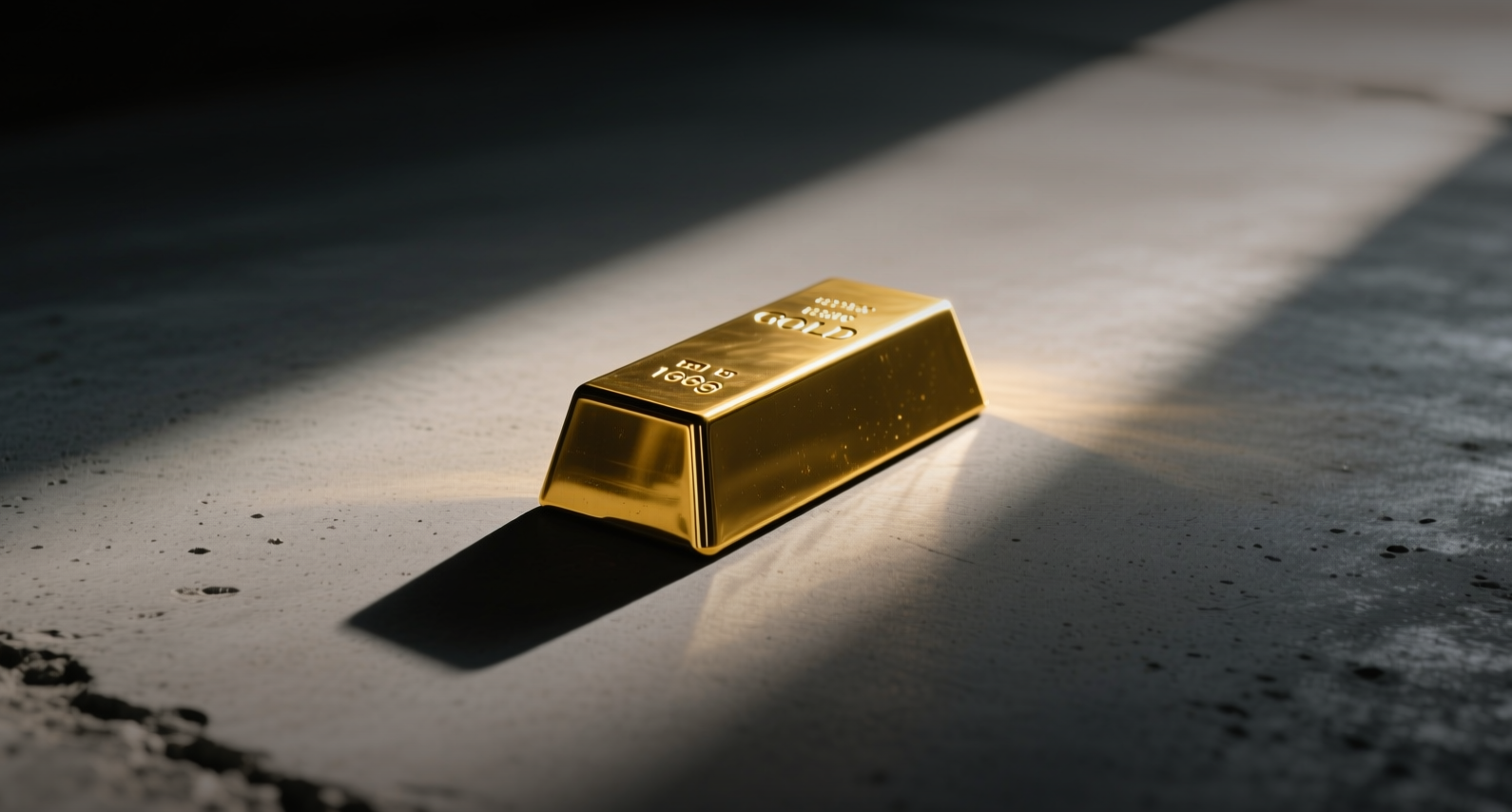
Gold edged lower to $4,249.16 an ounce on Thursday, pressured by a hawkish Federal Reserve policy signal that pushed the dollar to a one-year high, while a U.S.-Iran ceasefire deal capped losses by easing inflation concerns.
"The most significant thing was the hawkish tilt by the Fed yesterday. That has the dollar at new highs for the year, which is keeping gold under some pressure," Peter Grant, vice president and senior metals strategist at Zaner Metals, said.
Spot gold was down 0.2 percent at $4,249.16 an ounce as of the London session, after touching its lowest since November 2025 last week. The day's range spanned $4,237.39 to $4,329.84, according to Investing.com data. U.S. gold futures fell 2.6 percent to $4,268.40. The Federal Reserve held interest rates steady on Wednesday, but nine of 19 policymakers see a need for a hike later this year, according to the Fed's dot-plot projections. Markets now price in an 88 percent chance of a U.S. rate increase in December, up from 61 percent before the statement, CME FedWatch data shows.
Gold, a non-yielding asset, typically struggles in a high-interest-rate environment. The U.S. Dollar Index climbed to a one-year high after the Fed decision, making greenback-priced bullion more expensive for overseas buyers. The U.S. and Iran on Wednesday released the text of an interim agreement signed by President Donald Trump and Iranian leaders to end their war, with Trump threatening to resume attacks if commitments are not honored. Brent crude futures sank to their lowest since March 2, while WTI crude fell to its lowest since March 4, as the deal dialed back supply disruption fears that had earlier stoked inflation concerns and supported gold.
Among other precious metals, spot silver fell 2 percent to $66.65 an ounce, platinum lost 1 percent to $1,718.78, and palladium shed 0.9 percent to $1,300.03. Societe Generale said investors should buy the dip in gold, while UBS raised its allocation to industrial metals, cutting energy exposure. Gold's 52-week range stands at $3,247.86 to $5,595.46, with the current price about 24 percent below the all-time high set during the Middle East conflict escalation. Heading into a holiday-shortened session, gold's ability to hold above $4,200 will be the key near-term test, with a break below that level potentially opening a path toward the $4,000 handle.
This article is for informational purposes only and does not constitute investment advice.
